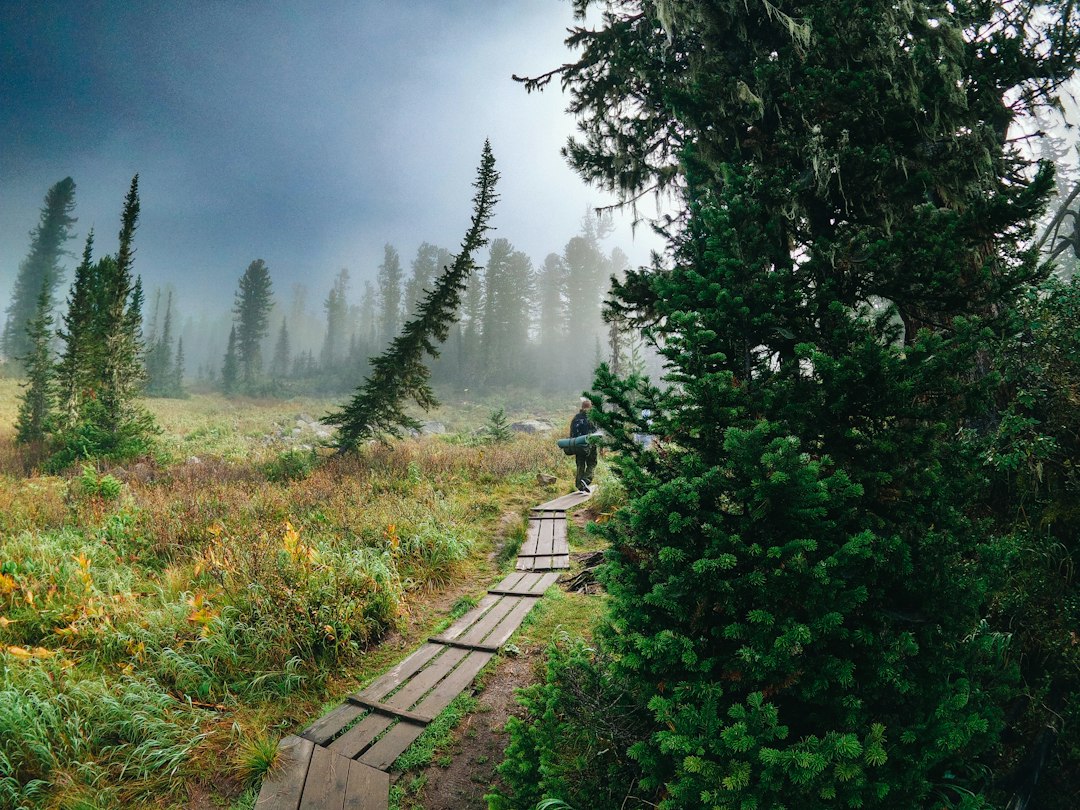
A Nikko day trip from Tokyo is one of those rare escapes that delivers exactly what it promises: cedar forest, gold-leafed shrines, a thundering waterfall, and quiet craft shops selling lacquerware that costs far less than you expect, all within a single honest day of travel.
Getting there without the group bus
Tobu-Nikko Station is accessible from Tokyo’s Asakusa and Shinjuku stations in about 2 hours. That makes the logistics simple for anyone living or staying in central Tokyo. Take the Tobu Nikko Line from Asakusa to Tobu-Nikko Station. A rapid service costs around ¥1,400 one way, or you can pay ¥3,050 for a Kegon or Revaty limited express train.
Trains start as early as 6:30 AM, but the ideal departure is the 7:30 AM or 7:50 AM train, so you arrive in Nikko before 10 AM. That early start matters more than anything else in this itinerary. The NIKKO PASS, sold only to overseas visitors, costs ¥3,000 for the World Heritage Area option (adult, 2 days) and covers both trains and local buses. If you qualify, buy it before you go.
During peak tourist seasons, it is a good idea to reserve train seats in advance to confirm availability. Book through the Tobu Railways website or at any Tobu station counter in Tokyo.
The shrine forest: what to see and what to skip
The World Heritage site, the Shrines and Temples of Nikko, consists of 103 structures spread over 3 complexes, all within easy walking distance of each other. That sounds manageable, but many visitors try to see everything and run out of time for the waterfall. Be selective.

Toshogu Shrine is surrounded by a cedar forest and includes elaborately adorned storehouses, a five-story pagoda, the ornate Yomeimon Gate, and the Crying Dragon painting in Honjido Hall. Spend 90 minutes here and move on. Futarasan-jinja Shrine was established in 782 by the monk Shodo Shonin and is dedicated to the 3 deities of the surrounding mountains. You can walk the main grounds for free and enter the inner garden with its ancient trees for a small fee.
Toshogu opens at 9:00, closing at 17:00 from April 1 to October 31, or at 16:00 from November 1 to March 31, with ticket windows closing 30 minutes earlier. Plan your shrine visit for the morning so you do not lose time at the gates.
Kegon Falls and the Irohazaka road
After the shrine complex, take the bus toward Lake Chuzenji. The bus climbs through 48 hairpin turns carved into the mountainside, each one named after a character from the Japanese syllabary. The road is called Irohazaka, and the ride itself is worth the fare.
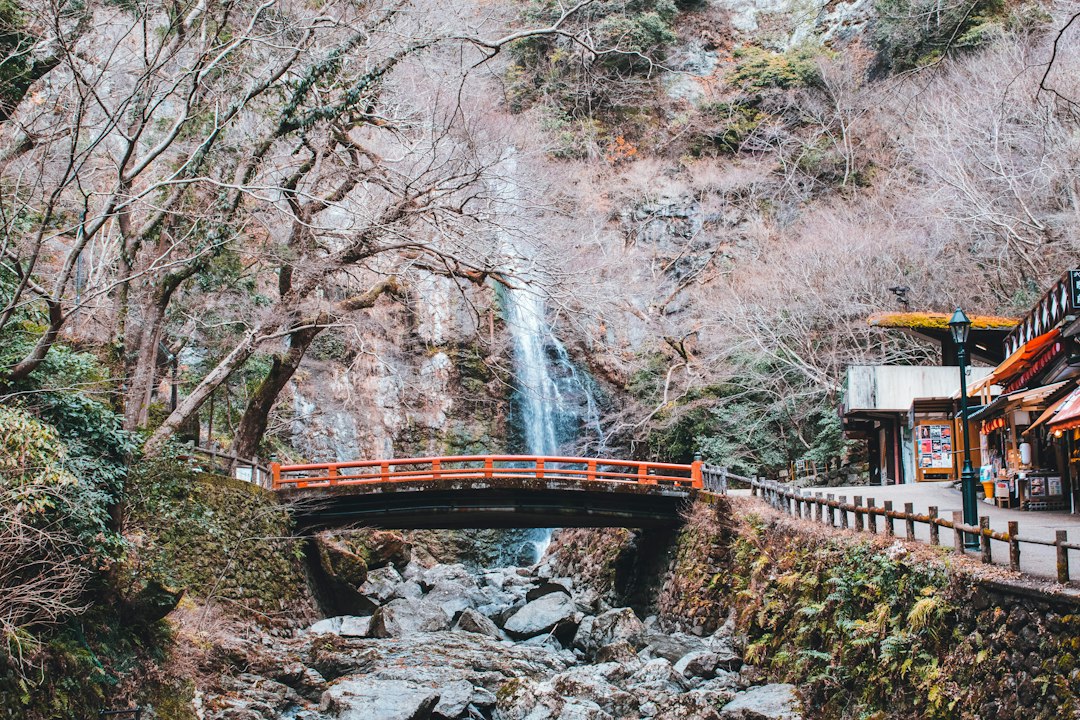
Kegon Falls is Japan’s most famous waterfall, a 97-meter drop that erupts from Lake Chuzenji’s outflow. Do not miss the elevator at Kegon Falls: the view from the base is dramatically different from the view at the top. The elevator costs a small additional fee and takes you to an observation platform at the foot of the falls.
Summer brings lush green cedar forest and waterfalls at full flow from snowmelt, while autumn from October to November is considered the best season, with Irohazaka road and Lake Chuzenji surrounded by spectacular red maple foliage. Any season works, but autumn is the most photogenic and the most crowded.
A local perspective on the pace
A well-planned Nikko day trip from Tokyo follows a clear rhythm: arrive by 9:30 AM and spend the morning at Toshogu and the surrounding shrine complex. Break for a yuba lunch at one of the traditional restaurants near the main road. Yuba, the tofu skin that Nikko is famous for, is served hot or cold and is a simple, filling meal that reflects the region’s Buddhist culinary heritage. In the afternoon, take the bus up the Irohazaka switchback road to Lake Chuzenji and Kegon Falls. You can spend an hour at the waterfall and lakeside, then ride the bus back down and catch an evening train to Tokyo. You will be home by 7 PM, having seen mountain forest, a world-class waterfall, and one of the most elaborately decorated shrines in Japan, all in a single day.
Industry perspective, travel and cultural heritage professionals specializing in Kanto region day trips
The lacquerware shops: a practical guide
The street between the 2 train stations and the shrine entrance has several craft shops selling Nikko’s traditional woodwork and lacquerware. The local carving tradition, known as Nikko-bori, is a traditional Japanese technique passed down since the Edo period. It was developed by carpenters who built Toshogu Shrine, and the finished pieces are characterized by elegant curves and a lacquer coating.
A tool called a hikkaki is used to create the flowing curves, and the Nikko-tsuishu decorative lacquering technique is applied to fully emphasize the elegant appearance of the base materials. The shops along the main road sell bowls, trays, and small boxes at prices that are fair by Tokyo standards. Budget 20 to 30 minutes for browsing.
Do not carry cash only. Most shops near the shrine now accept IC cards or credit cards, but smaller craft sellers on the side streets may not. Bring ¥5,000 to ¥10,000 in cash as a backup.



How to end the day well
After spending an hour at the waterfall and lakeside, ride the bus back down and catch an evening train to Tokyo. You will be back in the city by 7 PM, having seen mountain nature, a world-class waterfall, and the most elaborately decorated shrine in Japan, all in a single day.

A Nikko day trip is one of the most satisfying things you can do as a Tokyo resident or visitor. The Nikko day trip works best when you commit to an early train, stick to 1 clear route, and leave time for the waterfall and the craft shops. Do not try to see everything. See the right things, eat yuba for lunch, and take the bus up Irohazaka. That is the whole plan, and it is enough.
If you are ready to plan your own visit, start with the transport and let the forest do the rest.