

Many people in Tokyo leave home in the dark and return home in the dark too. This change happens fast, usually between late November and early December. The sun sets before five o'clock, and sunrise arrives later each week. Winter fatigue is not only a mood problem, it follows a clear daylight pattern, and simple daily habits can change it. Start this routine now, while days are still shortening, not later when symptoms are strongest.
What is happening to daylight in Tokyo right now
Tokyo does not see the extreme winter darkness of northern Europe, but the drop still feels sharp to anyone used to longer days. The earliest sunset of the year falls around December 5, at about 4:27 pm, well before the actual solstice. The latest sunrise of the year comes later still, around January 7, near 6:51 am. On the shortest day, December 22, Tokyo gets only about 9 hours and 44 minutes of daylight.
That gap matters more than it sounds. Tokyo gets roughly 4 hours and 50 minutes more daylight on the longest day of the year than on the shortest one, 14 hours 34 minutes against 9 hours 44 minutes. Japan does not use daylight saving time, so clocks never shift to soften this change. Your body feels the full swing, all at once, over a few short weeks.
Seasonal affective disorder, or SAD, is a form of depression tied to seasonal changes, and it begins and ends at roughly the same time every year. Reduced sunlight in fall and winter may trigger the winter-onset pattern by disrupting your circadian rhythm, the body's internal clock. You do not need a clinical diagnosis to feel the pull: slower mornings, a dip around 3 pm, and an urge to sleep earlier than usual are common and predictable.
Catch morning light within an hour of waking
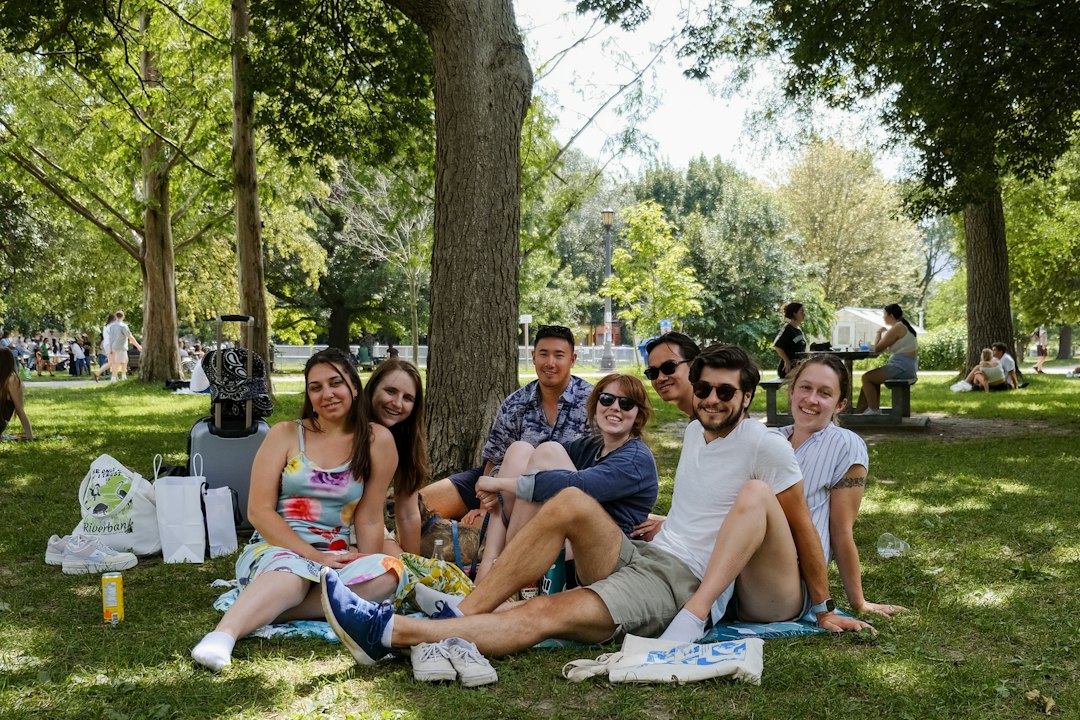
Morning light does the heaviest lifting in this routine, and timing matters more than duration. Light exposure during short-daylight periods helps adjust your circadian rhythm, the process that regulates your sleep-wake cycle. Open your curtains the moment you wake, then get outside for at least fifteen minutes within the first hour, even under cloud cover.
In central Tokyo, the moat path around the Imperial Palace near Takebashi and Kudanshita stations works well for this, since it opens before dawn and stays free of traffic. Kitanomaru Park, just north of the palace, offers the same calm walking loop with more tree cover for the brighter midwinter sun. If your commute starts earlier than sunrise, step onto your balcony or stand by an east-facing window instead, since even indirect morning light helps more than none at all.
Build a midday light break into your workday
A second, shorter dose of daylight around midday reinforces what the morning session starts. Ten minutes outside at lunch, ideally before 1 pm while the sun still sits higher, keeps your energy curve from collapsing by mid-afternoon. Hibiya Park suits workers near Kasumigaseki and Toranomon, while Shiba Park gives those near Tokyo Tower a quieter option with benches in direct sun.
If your schedule makes a solo walk hard to keep, a scheduled class gives you a reason to show up. Browsing the outdoor activities listed in Tokyo turns up early walking tours and outdoor fitness sessions that put this habit on your calendar instead of leaving it to willpower alone. A fixed time slot, booked in advance, tends to survive a busy week better than a vague intention to "get outside later."
Add a light therapy lamp for dark mornings
When your schedule leaves no real window for outdoor light, a light therapy lamp fills part of the gap. Look for a lamp that generates 10,000 lux of cool-white light, since that output is designed to replicate the effect of natural daylight indoors. Choose a glare-free design, or one that sits at a downward angle, so you can work near it without straining your eyes.
Place the lamp on your desk or kitchen table and sit near it for twenty to thirty minutes while you eat breakfast or answer early emails. Large electronics retailers in Tokyo and general online marketplaces both carry these lamps, so compare a few models for lux rating and screen size before buying rather than choosing on price alone. Use it in the morning, never late in the evening, since bright light close to bedtime can undo the sleep benefits you are trying to protect.
Protect your evenings and sleep schedule
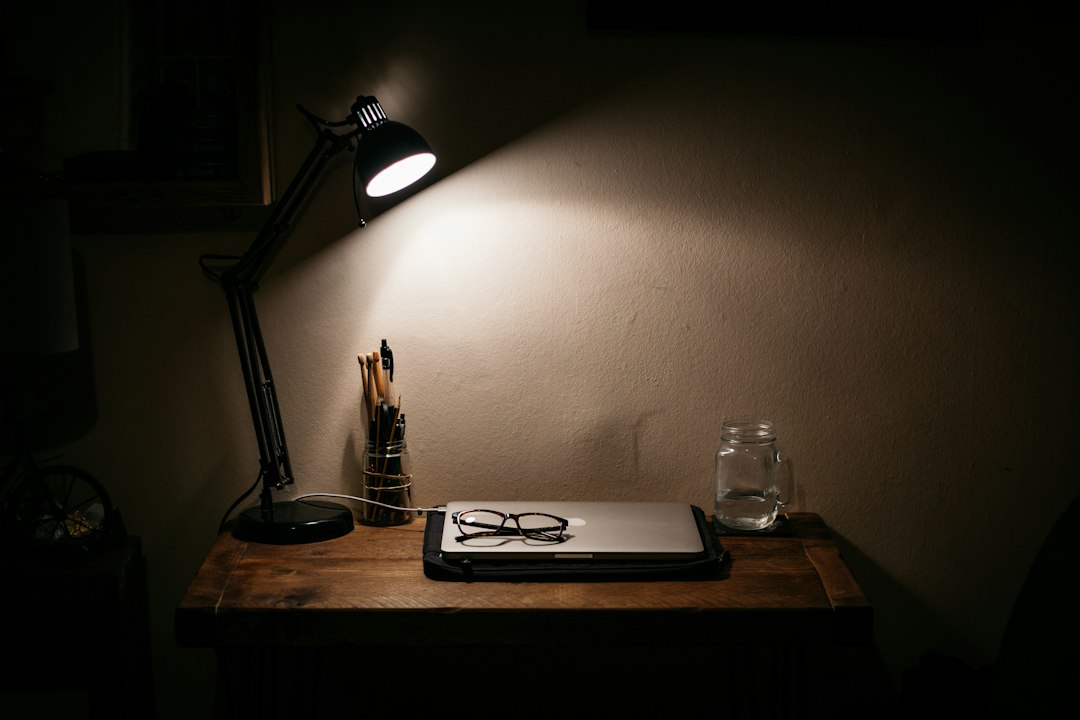
The same light principle works in reverse after dark. Dim household lights and switch screens to a warmer, lower setting two hours before bed, so your body still reads evening as evening despite the lamp use earlier in the day. Keep a consistent wake time across the week, weekends included, since an irregular schedule cancels out much of the benefit from morning light exposure.
Watch for symptoms that go beyond ordinary tiredness: persistent low mood, oversleeping, or a loss of interest in things you normally enjoy. If symptoms persist or worsen, contact a healthcare professional to discuss your concerns rather than waiting out the season alone. A short conversation early in winter is far easier than managing a fuller depressive episode in January.
What to start tonight, and what can wait
Start the morning walk tonight, by setting an alarm fifteen minutes earlier and laying out clothes for outside. Add the midday break this week, picking one fixed day to test a park route near your office. A light therapy lamp can wait until you have tried two weeks of outdoor light first, since many people need nothing more. Evening light discipline matters most once the lamp enters your routine, so treat it as the final piece, not the first one.