

Nobody warns freelancers in Tokyo that a freelance visa renewal rarely fails at the immigration counter. It fails weeks earlier, when a tax certificate is missing or a client contract was never signed. Japan has no single freelance visa category: independent workers usually renew under a Business Manager, Engineer/Specialist in Humanities, or Designated Activities status instead. The documents you gather now decide whether that renewal goes smoothly or stalls for months.
Why there is no single freelance visa in Japan
Japan's immigration law does not recognize "freelancer" as a status of residence. Instead, people working independently in Tokyo renew under whichever category already matches their activity. One option is the Business Manager visa, which requires at least 30 million yen in capital, at least one full-time employee who is Japanese or holds a residence-based status, and Japanese ability at B2 or JLPT N2 level.
A second route is the Designated Activities digital nomad visa, but it comes with sharp limits. It allows a stay of up to six months with no renewal, and holders cannot work for Japanese companies. Most freelancers in Tokyo therefore keep an Engineer/Specialist in Humanities or International Services status tied to a sponsoring company, even after they stop being a full-time employee there.
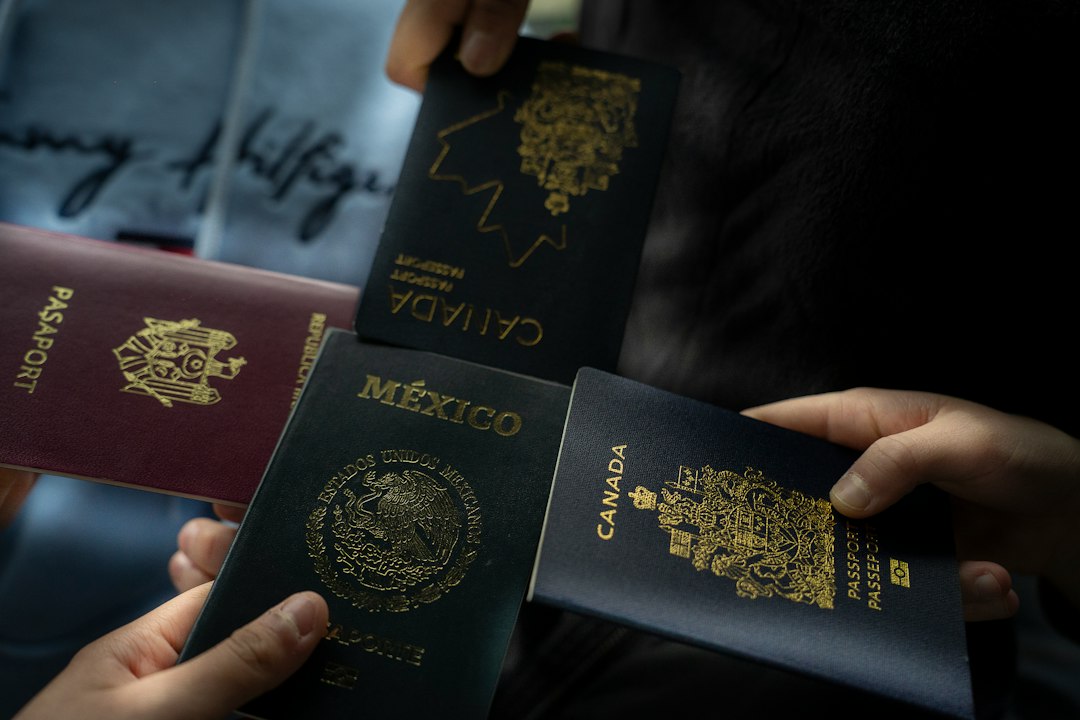
The paperwork one freelancer actually submitted
A clearer picture comes from a real case. A writer for TokyoDev explained that after her visa was originally issued, she became a freelancer, or sole proprietor, and left her original sponsoring company. To renew, she still needed a company willing to act as her visa partner on paper.
Her company-side documents included the legal report summary, the certificate of registration, and the latest financial statements from her former employer, who agreed to support the application. Her own documents included her passport and residence card, her portion of the application, a visa photo, the signed contract with her former employer, a contract with a secondary client, her tax payment certificate, and her resident tax certificate. The secondary client contract mattered: it showed her business was not dependent on a single source, which immigration reviewers look for when judging whether freelance work is genuine and ongoing.
This example points to a procedure any freelancer can copy. Secure a written agreement with at least one client who can act as a visa reference, keep every tax receipt from the ward office, and request your resident tax certificate well before your filing window opens.
What if your income was uneven this year
Freelance income rarely lands in a straight line, and this is the objection worth taking seriously. A frequently asked question on one visa renewal guide addresses it directly: renewal of a Business Manager visa remains possible even if the business operated at a loss for the year. A weak year on paper does not automatically block a renewal.
What immigration actually checks is compliance, not perfect profit. At renewal, authorities strictly check payment status for labor insurance, social insurance, national taxes such as corporate and consumption tax, and local taxes such as corporate inhabitant tax, and unpaid amounts make renewal extremely difficult. The rules are also getting tighter on this point. From June 2027, a new visa-denial rule means both national health insurance and pension payments must be current for renewal.
In practice, this means a thin year is survivable if your taxes and insurance premiums are fully paid and documented. It also means a written explanation of your income swings, attached to your renewal application, carries real weight with a reviewer.

What changes once you gather the paperwork now
Timing matters as much as content. Applications for an extension of period of stay are generally accepted from three months before the current period of stay expires, as long as that period is six months or more. Waiting until the final weeks leaves no room to chase a missing certificate from a ward office that takes days to issue one.
Fees have also shifted recently, so confirm the current amount before you budget. Since October 1, 2026, a visa renewal, formally an extension of period of stay, costs between 10,000 and 75,000 yen at the counter. If you file before expiry but a decision has not yet arrived, you are not left undocumented. A statutory special period generally allows continued residence under the existing status until the decision is made, or two months after the original expiry date, whichever comes first.
Business Manager visa holders face an additional layer since the October 2025 reform. Renewal applications filed from that date require significantly more documentation, including detailed explanations of business activities and proof of compliance. Tax evidence now splits by business structure: corporations must show payment of withholding income tax, corporate tax, consumption tax, and corporate inhabitant tax, while sole proprietors must show income tax, consumption tax, inhabitant tax, and business tax.
Once you accept that renewal is won or lost in the weeks before filing, the task becomes manageable. Start a folder today with your passport, residence card, and current contracts. Request your resident tax certificate and tax payment certificate from your ward office, confirm your health insurance and pension payments are current, and write a short explanation of your business activity for the past year. File as soon as the three month window opens, rather than at the deadline.