You have a free Saturday in Tokyo and little patience for a long trip, but you still want to leave the city behind for a few hours. The good news is that several of the country's best outings sit less than 90 minutes from central stations, on ordinary commuter and limited express lines. This guide covers five routes that fit into a single day, with exact travel times, fares and the stations to use, so you can choose a morning train and still be home for dinner.

The five stops below made the cut because each is reachable by a direct or one-transfer train in under 90 minutes from a major Tokyo hub, offers a clear reason to go beyond generic sightseeing, and works without an overnight stay. Where a train needs a reserved seat or runs only on weekends, that is noted so you can plan around it.
### Kamakura: temples, the Great Buddha and a seaside tram
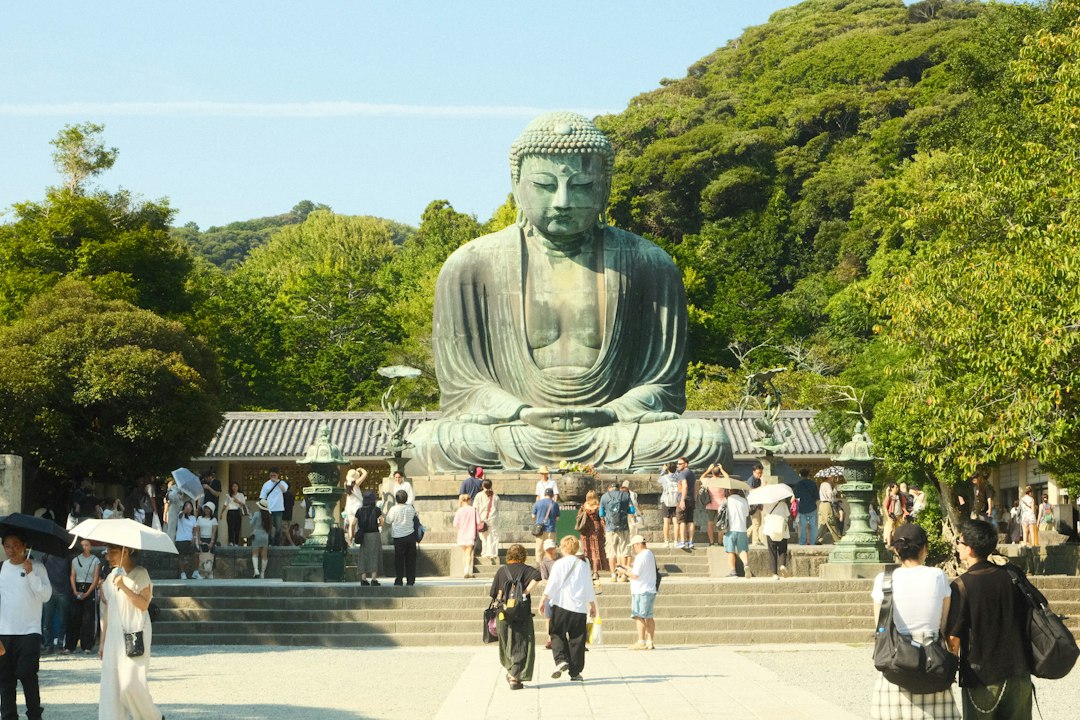
The JR Yokosuka Line takes approximately 57 minutes from Tokyo Station and costs 1,040 yen one-way, with no transfer required. From Shinagawa Station, the same line takes approximately 47 minutes and costs 810 yen one-way. If you start from the west side of the city, the JR Shonan-Shinjuku Line reaches Kamakura in 63 minutes from Ikebukuro, 57 minutes from Shinjuku, or 52 minutes from Shibuya. Once there, the small Enoden tram carries you along the coast past temples and the Great Buddha at Kotoku-in, so history and sea air share the same afternoon.
### Yokohama: a 29-minute ride to the harbor

Yokohama is the shortest trip on this list. JR trains run from Tokyo Station to Yokohama with an average duration of 29 minutes, every 5 minutes, for an estimated $3 to $5. That speed makes it realistic to add a half day in Minato Mirai or Chinatown onto a morning already spent elsewhere in Tokyo, rather than building a whole day around it. Trains back run just as often, so there is no pressure to leave the harbor before dark.
### Kawagoe: "Little Edo" without the long commute
Three separate railways serve Kawagoe, and the line you pick changes the trip. Kawagoe Station, Kawagoe-shi Station and Ikebukuro Station are connected by frequent trains along the Tobu Tojo Line, taking 30 minutes by express trains for 490 yen one way, the fastest option from central Tokyo. The Seibu Koedo Limited Express links Seibu-Shinjuku and Hon-Kawagoe in about 45 minutes, with a fare including the limited express surcharge of 1,013 yen, landing closer to the old warehouse district. Hon Kawagoe Station is closest to both the old town and Kita-in Temple.
### Mount Takao: a mountain trail inside Tokyo's own borders
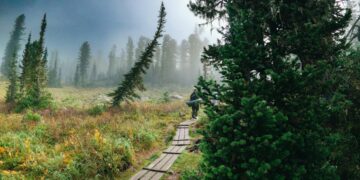
Mount Takao sits inside Tokyo's metropolitan boundaries, which keeps the journey short even though the outing feels like a real mountain trip. The Keio Line ride takes about 50 minutes and costs 430 yen for adults, with no transfer needed from Shinjuku. On weekends and holidays, the Mt. TAKAO train reaches the station in as little as 43 minutes, though a reserved seat ticket costs 410 yen per person. Mount Takao is only 599 meters high, but even the easiest trail takes around 90 minutes from base to summit.
### Enoshima: an island beach town by the sea
Enoshima pairs a sandy beach with a shrine-topped island, reachable from central Tokyo with one transfer. Services depart from Tokyo Station and arrive at Katase-Enoshima via Fujisawa, with the journey including transfers taking approximately 1 hour 7 minutes. Many visitors combine it with Kamakura on the same day, since the Enoden runs all the way to Kamakura Station on a delightful ride that takes about 35 minutes. Budget a full day if you want both the island and the temples, rather than rushing either one.




How to choose between them
Start with your time budget, not your interest list. Yokohama fits into a spare afternoon since the ride barely passes half an hour each way, while Kamakura or Enoshima deserve a full day once you add temple visits or beach time on top of the commute. Mount Takao suits anyone who wants exercise along with scenery, especially on a weekend morning when the reserved express shaves minutes off the ride. Kawagoe works best when you want Edo-period streets without the coastal crowds that build up around Kamakura and Enoshima on weekends.
If two destinations share a line, as Kamakura and Enoshima do through the Enoden, treat them as one longer day rather than two separate trips. Check the last train back before you leave, since several of these routes run on hourly or limited schedules outside peak hours.
Learn more about day trips
- Kawagoe
- Tokyo to Kamakura: Train Routes, JR Pass, Cost, and Distance
- Mount Takao Transportation Guide: How to Get There from Central Tokyo