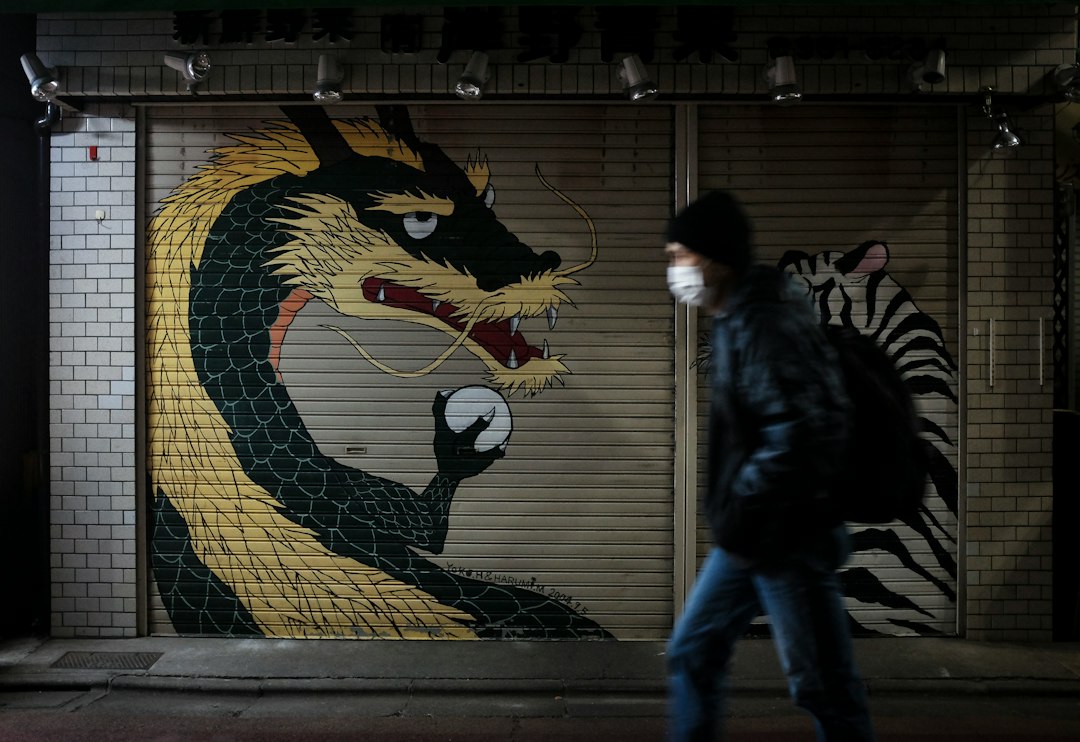
A muralist in Koenji waits outside a shuttered shopfront, roller in hand, hoping the landlord answers before the paint dries in the bucket. She has no single form to complete and no city window marked "street art." Tokyo draws crowds to painted alleys and photogenic walls, yet it has never built one clear door for the people who want to add to them legally. That gap is the real starting point for anyone asking what the city actually requires before a brush touches a surface.
What Tokyo actually asks of a street artist
Tokyo splits the question across three separate layers instead of one application. The first and most important is the property owner's written consent, since the wall or shutter belongs to someone, and painting it without permission can count as property damage under Japanese law regardless of artistic intent. The second layer is the local ward office, which may require separate clearance if the work needs scaffolding, blocks a sidewalk, or uses lighting after dark. The third layer only applies if the piece sits inside an organized public event, where the festival itself handles insurance and crowd logistics on the artist's behalf.
This patchwork means two artists painting walls a few blocks apart in Tokyo can follow completely different paperwork, depending on who owns the surface and whether a festival is involved. A commissioned shopfront mural in Shimokitazawa might need nothing beyond the shop owner's signature. A large-scale piece tied to a citywide program answers to an entirely different set of organizers.
Who this affects
Shop owners commissioning a mural for their storefront sit at one end of this system, since they can authorize work on their own property without involving the city at all. Independent muralists and graffiti writers sit at the other end, often working project by project with whichever owner says yes. Neighborhood associations worried about unsanctioned tagging watch the middle ground closely, and their complaints are usually what triggers ward-level enforcement.
Festival organizers occupy a distinct position because they operate under their own agreements with the city. The Tokyo Metropolitan Government and the Tokyo Metropolitan Foundation for History and Culture organize TOKYO ATLAS, which spreads contemporary art across Daiba, Aomi and Tennozu, placing work in waterfront parks, public spaces, buildings and even an underground parking lot. Artists invited into a program like this work inside a structure the city has already approved, which is a very different experience from knocking on a shutter door in Koenji. Visiting artists drawn by events such as art events and installations across the city often discover this split only after they arrive.
What the figures behind Tokyo's public art show
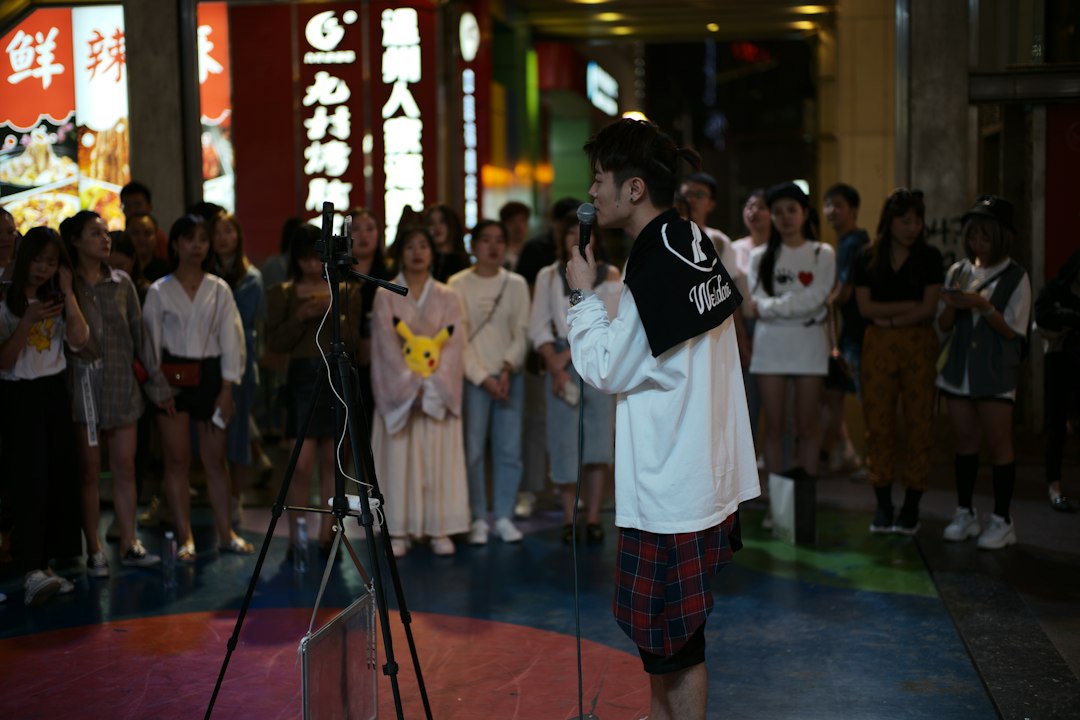
The clearest evidence of Tokyo's approach sits in how the city already licenses one kind of public creative act: live performance. Under the Heaven Artist program, those who pass an audition can perform in public or near commercial facilities, mainly in and around Tokyo. That is a genuine permit track, audition, approval, designated locations, all run through a city process. No equivalent track exists yet for painters or muralists working on walls.
The festival calendar shows where visual street art currently lives instead. Roppongi Art Night 2026 turns the neighborhood into an open-air art space, returning to an all-night format for the first time in three years, with this year's edition running from 5pm on Saturday until 6am Sunday. TOKYO ATLAS runs on a much longer clock, spanning October 10 to December 20, 2026, giving artists weeks rather than hours to work inside its approved sites. Both events prove that Tokyo is willing to sanction ambitious public art, just not through a standing permit office that a lone muralist can simply walk into.
What comes next for Tokyo's street art rules
Tokyo already has one audition-based license for public creative work, built for performers rather than painters. Whether a comparable system ever extends to muralists remains an open question, one that grows more pressing as events like TOKYO ATLAS put official weight behind large-scale street art. For now, the artist with a roller still waits on an individual landlord's reply, not a government stamp.