
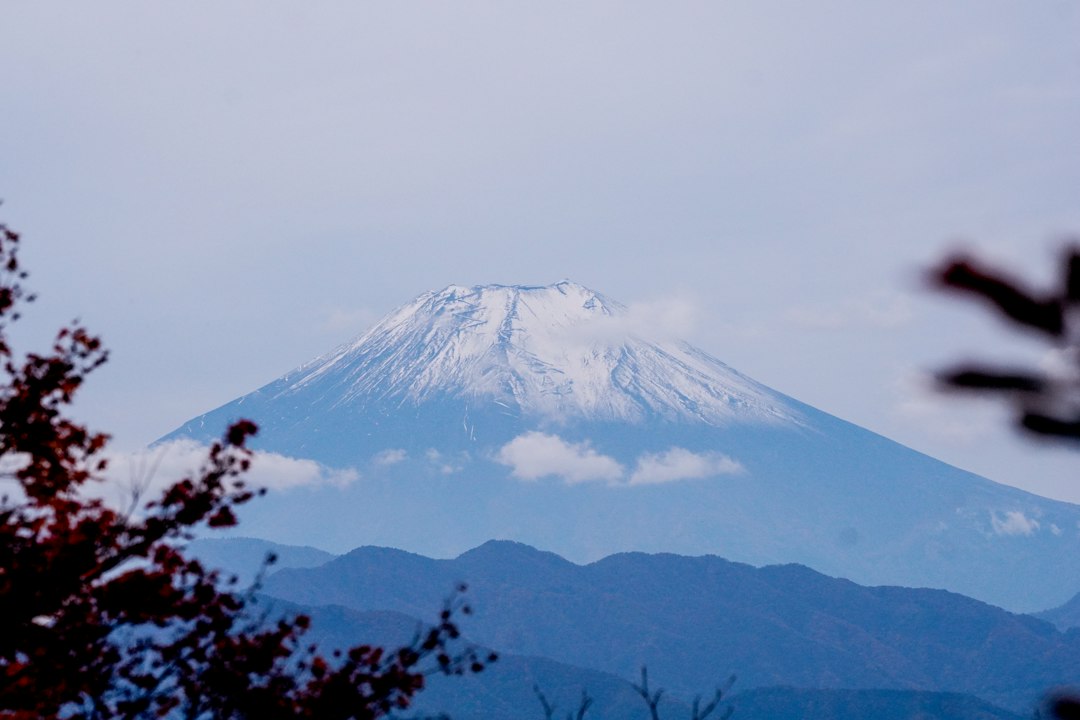
Autumn foliage near Tokyo does not arrive on one date. Nikko can be past its best while central Tokyo is still green, and a day trip booked for the wrong week wastes both time and money. This guide sets out when each spot turns, what each route costs, and in what order to book trains, buses and garden tickets so your day matches the colour you are chasing.
How Tokyo's autumn foliage calendar moves south
Japan's koyo front behaves like a slow wave moving from high, cold places toward low, warm ones. Mountains near Tokyo turn weeks before the city itself does, which is the single fact that breaks most first-time itineraries.
For 2026, the latest forecast from the Japan Meteorological Corporation, updated October 1, predicts yellow leaves peaking around November 26 and red leaves around November 28 in the capital, right in line with the long-term averages. Nikko moves on its own schedule entirely. The working forecast for Nikko in 2026 puts first color in Oku-Nikko around 5 to 10 October, peak at Lake Chuzenji and Kegon Falls from 18 October to 1 November, and peak in the town around Shinkyo Bridge from 5 to 12 November. That means a single prefecture can show you three different stages of autumn on three different weekends.
Mount Takao: the easiest trip to book, and the one to book last
Mount Takao sits closest to the city center, which makes it the simplest logistics of the three. Limited express trains depart the underground Keio Shinjuku Station every 20 minutes and take about 50 minutes and cost 430 yen one way to reach Takaosanguchi Station, the terminal station at the foot of the mountain. No seat reservation exists on this service, so you can decide the morning of your trip without losing a booking fee.
JR Rail Pass holders have an alternative. You can take the JR Chuo Line from central Tokyo to Takao Station for 720 yen, about 40 minutes from Shinjuku and covered by the Japan Rail Pass, then transfer to the Keio Line for one more station to Takaosanguchi for 140 yen and three minutes, which is not covered by the pass.
Timing matters more than the ticket. Takaosan is especially busy during the second half of November, when the mountain's scattered autumn colors make it one of Tokyo's most popular koyo spots, so a weekday visit is the better choice if you want a break from the crowds. The 2026 tenki.jp spot forecast backs this up: Takao's peak is expected from November 19, slightly later than the November 11 peak recorded in 2025. Because there is nothing to reserve ahead of time, Takao is the trip you can slot in last, once the other two bookings are locked.
Nikko: buy the Tobu pass once you know your target zone
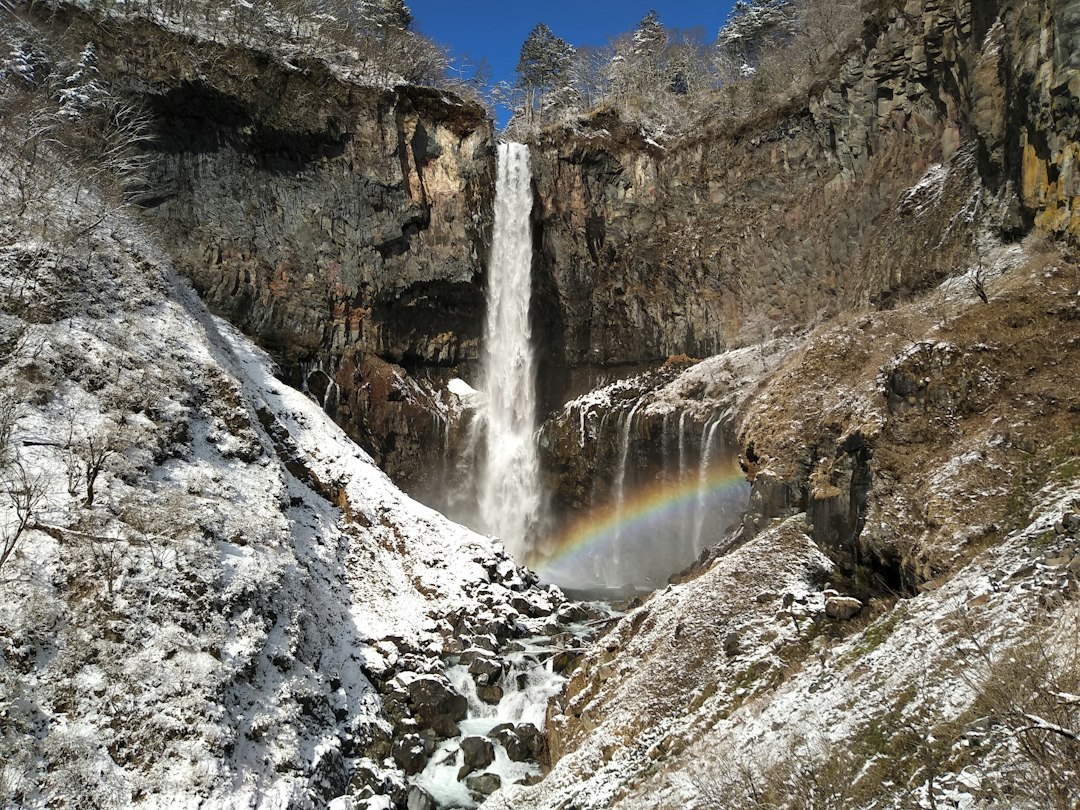
Nikko rewards planning precisely because it has three separate color windows stacked by elevation. Decide which zone you want before you buy anything. The high country around Senjogahara and Ryuzu Falls turns first, the mid-elevation area around Lake Chuzenji and Kegon Falls follows a week or two later, and the lower town around Toshogu Shrine turns last of all.
For transport, the Tobu Nikko All Area Pass costs 8,150 yen for adults, runs four days, and covers round-trip local train from Asakusa, all Tobu buses including the Yumoto Onsen route, and the Lake Chuzenji cruise. Buying this pass a few days ahead rather than at the station window avoids a queue on a weekend morning when buses toward Chuzenji and Kegon Falls fill quickly during peak color. If your target is the Oku-Nikko highlands, aim for a trip in mid to late October rather than the Tokyo-style late November window most calendars assume.
Hakone: reserve the Romancecar seat before you fix the date
Hakone works on a different logic again, because its best transport option requires an actual seat reservation rather than a simple pass. The Hakone Freepass from Shinjuku costs 7,100 yen for two days or 7,500 yen for three, with reduced rates of roughly 75 percent for children. The pass covers the base fare on the Odakyu line plus the mountain tram, cable car, ropeway and pirate ship cruise once you are inside the Hakone loop.
The Romancecar limited express is the comfortable way to reach Hakone-Yumoto, but it is not included in the base fare. The Romancecar seat reservation from Shinjuku to Hakone-Yumoto costs 1,200 yen for adults and 600 yen for children, one way. This is the one reservation on this whole itinerary that genuinely sells out. If the Romancecar is part of your plan, book it before you finalize your Hakone date, since the Odakyu Online Reservation system in English, or Klook, lets you lock a seat days in advance. Weekends during peak color are the dates most likely to leave you standing for 85 minutes instead of sitting in a reserved seat.
Rikugien and other options inside Tokyo itself
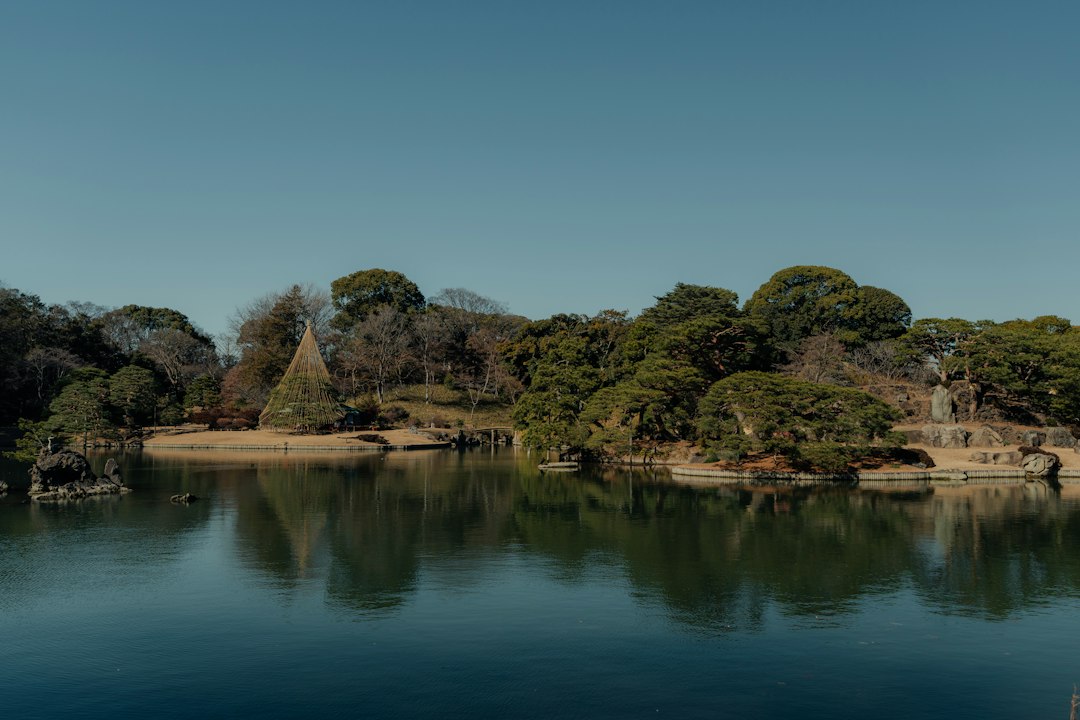
If your weekends are already booked for Nikko and Hakone, central Tokyo still offers a structured option that needs its own advance ticket. Rikugien Gardens combines autumn foliage with illumination evenings from November 25 to December 6, 2026, with tickets priced at 1,000 yen in advance. Buying ahead online avoids the same-day queue that forms once the illumination opens for the evening.
This also gives you a built-in backup plan. If a typhoon or unseasonal warm spell pushes the Nikko or Hakone colors off your chosen weekend, a Tokyo garden visit on the correct late-November date still delivers real autumn color without retiming a whole day trip.
What to book first, what can wait
Start with the Romancecar seat for Hakone if that route is on your list, since it is the only reservation here that can actually sell out on a peak weekend. Buy the Tobu Nikko pass next, choosing your zone (Oku-Nikko, Chuzenji, or the town) based on the October or November window you are targeting. Reserve Rikugien's illumination ticket once you know your Tokyo-based evening, since it runs on a fixed calendar from November 25 to December 6.
Mount Takao can wait until the very end. With no seat reservation and trains every 20 minutes, it is the one piece of this itinerary you can decide the night before, once you have seen how the week's weather and foliage reports are tracking.