
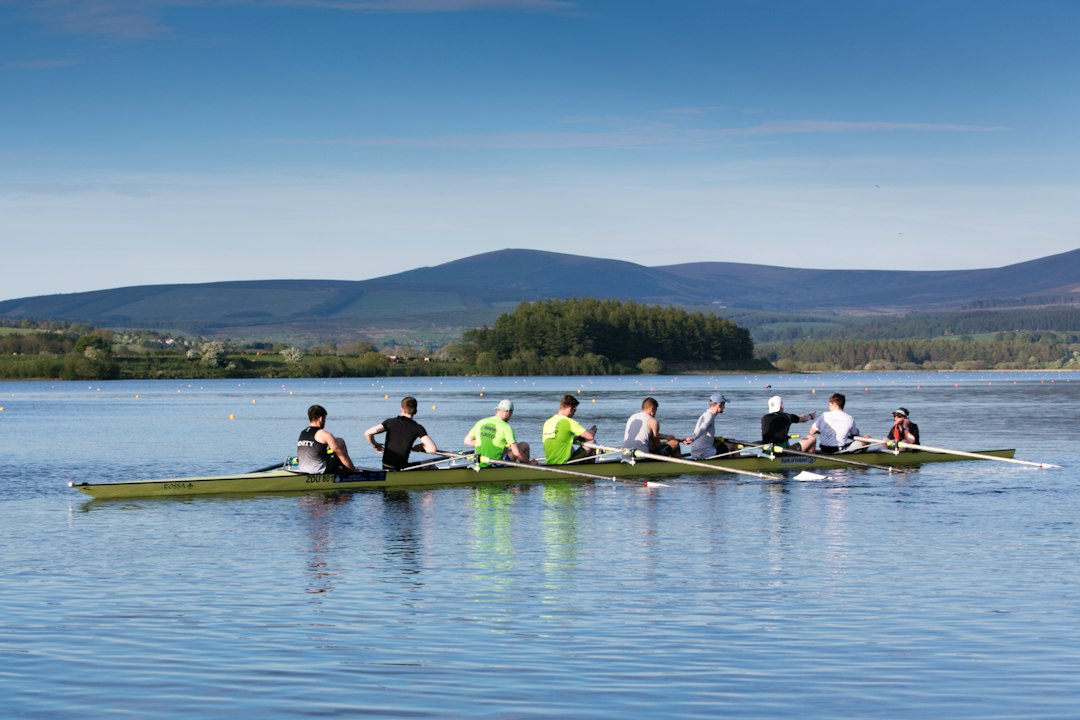
You search for a rowing club in Tokyo and every link leads to a university team, a corporate boathouse, or a closed membership page with no obvious way in. That confusion is normal. Japan's rowing world runs on institutional ties more than open sign-up forms, and a page that says "welcomes all levels" sometimes means something narrower once you read the fine print. This guide sorts the clubs you can realistically join from the ones built only for insiders, and lays out what joining actually involves.
Where rowing actually happens around Tokyo
Most rowing in the capital does not happen inside Tokyo's 23 wards at all. The main course sits on an embankment of the Arakawa River in Saitama Prefecture just north of Tokyo, where a number of Tokyo-based universities and corporate teams own and maintain boathouses on both banks. This is the Toda Rowing Course, built for the 1964 Tokyo Olympics, and it remains the default training water for student and company crews.
Closer to central Tokyo, the city built a second venue for the 2020 Games. The Sea Forest Waterway sits between two man-made islands at the mouth of the Sumida River in Tokyo Bay. Reaching it is its own small project: there is no public transport to the venue and it is not possible to walk there, so you need a taxi or private car. Despite the awkward access, the Tokyo Metropolitan Government reopened it to the public, and visitors of all ages have taken part in sports sessions with support from the Japan Rowing Association and the Tokyo Rowing Association.
A third option sits inside the city itself. Community clubs on the Kyu-Nakagawa River, which runs through Edogawa and Sumida wards, train on ordinary urban water reachable by regular train lines. These groups are smaller and less competitive than the university or corporate squads at Toda, but they are far easier to simply show up to.
Which clubs actually accept beginners
Here is where most newcomers hit a wall. University clubs such as the University of Tokyo Rowing Club and the Tokyo Institute of Technology Rowing Club recruit from their own enrolled students, and more broadly, university clubs welcome new members each academic year rather than year round from the public. Corporate teams work the same way: NYK's in-house rowing group, Nibiki-Kai, competes in five-person boats and practices about once a month at the Toda Rowing Course or Sea Forest Waterway, with its main event being the All-Mitsubishi Regatta alongside local citizen regattas in the Kanto area, and membership runs through the company, not an open roster.
The closest thing to a mixed-level masters club is Partez, which sits inside the Mitsubishi Boat Club at Toda. Since its founding it has grown to roughly 100 men and women of all ages and skill levels, meeting every Sunday at Toda to row eights, fours and all classes of sculling boats. That sounds like an open door, and historically Partez has marketed itself that way.
For a genuine walk-in route, the two names worth knowing sit under the Tokyo Metropolitan Rowing Association. The Edogawa Rowing Association runs beginner taster boat classes on the first Saturday of every month from April to October, with reception from 10:00 to 13:00 on the Kyu-Nakagawa River, open to anyone from fourth grade elementary school age upward, while the Sumida Rowing Club separately recruits members and taster-class participants regardless of age or rowing experience on the same river. These are the two clubs built for people with zero background in the sport.
What most newcomers misunderstand about joining
The assumption trips people up every time: a club that calls itself social or welcomes "all levels" does not automatically take complete beginners. Partez's own membership page states plainly that anyone wanting to join and row regularly must first be accepted as a special member of the Mitsubishi Boat Club, a relatively easy process, and pay the relevant fees, and goes further on eligibility: the club looks for experienced adult rowers in Japan who can attend weekly practice, and beginners with no rowing experience are not being accepted at this time. That single line matters more than the club's general welcome language, because policies like this change without much public notice.
The second surprise is the schedule. Student and corporate crews train early and often. Training at the University of Tokyo Rowing Club begins at five in the morning, which means club members cannot catch even the first train of the day, so they sleep over at the boathouse. Tokyo Tech's team runs on a similar rhythm: "We practice every morning from about five to seven o'clock," says club captain Satoshi Hashimoto. A community taster session is a far gentler entry point than either of these.
Costs, gear and the weekly time you should expect to give
Nobody publishes a single standard fee for Tokyo rowing, because the clubs sit on completely different footing. A university club costs nothing extra beyond student status but demands daily pre-dawn training and, often, living at the boathouse. A corporate club like Nibiki-Kai is folded into employment and meets roughly once a month, a far lighter load. Partez sits between the two: members compete in masters-level regattas year round, including sprint races, indoor rowing competitions and head races, and the club maintains a regular schedule of over ten races a year throughout Japan plus international racing, on top of weekly Sunday outings, which is a serious ongoing commitment for a hobby sport.
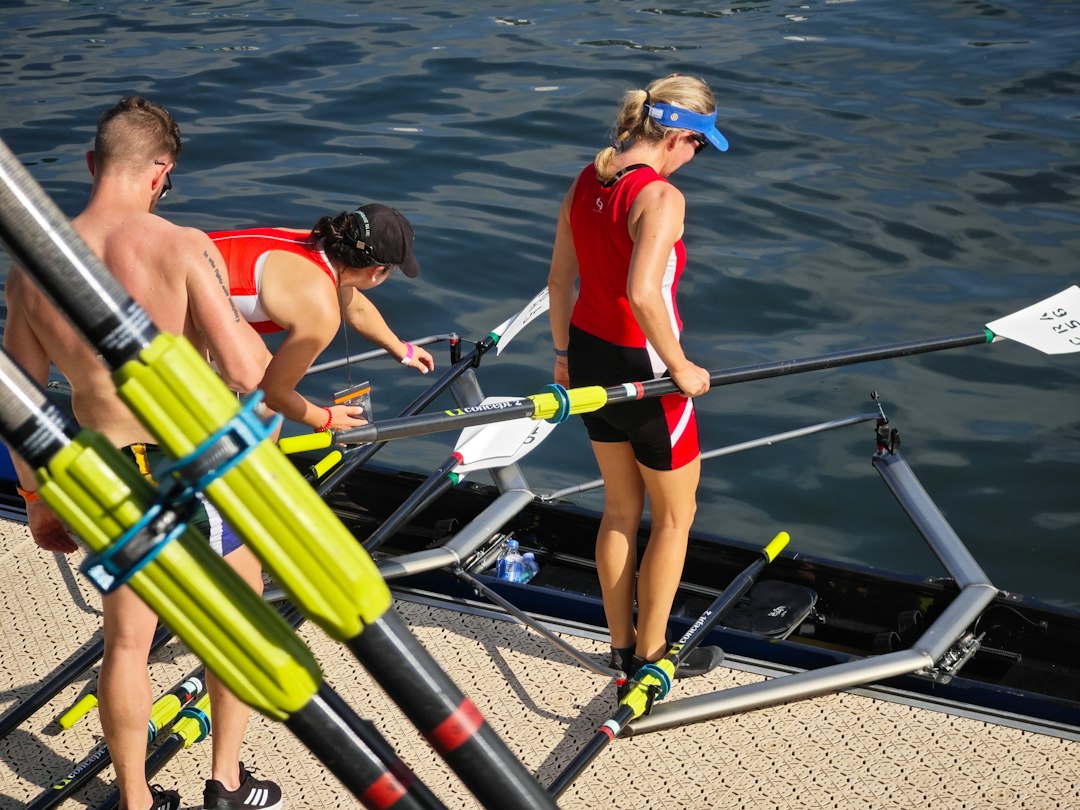
Community programmes ask for far less upfront. The Edogawa taster format runs as a half-day session rather than a season-long membership, which lets you test the sport before any fee negotiation or gear purchase. Oars, boats and life jackets are typically supplied at taster sessions; what you bring is closer to gym clothes and sun protection than specialist kit. Only once you move toward regular club membership, whether at a community club or somewhere like Partez, does equipment ownership and a formal fee schedule usually enter the conversation.
What this means in practice
Start with geography rather than enthusiasm. If you can reach Edogawa or Sumida ward easily by train, a Kyu-Nakagawa taster session is the lowest-friction way to find out whether rowing suits you at all. If you are drawn to the Toda scene instead, accept that it means a trip into Saitama and, for Partez specifically, a direct question about current beginner policy before you assume anything from their general marketing copy.
Contact the Tokyo Metropolitan Rowing Association or the specific community club for the current taster calendar, since dates and reception windows shift by season. Go to a taster session before paying for membership anywhere. Ask every club directly about its current beginner acceptance, training hours and fee structure, because, as the Partez case shows, the answer printed on one page can contradict another on the same site. Budget your mornings accordingly: competitive Tokyo rowing starts early, and the sport rewards people who show up consistently more than people who show up occasionally.