A Tokyo dojo that teaches in English is closer than you think, and stepping onto the mat as a complete adult beginner is genuinely possible at more than a handful of schools across the city.
Aikikai Hombu Dojo, Shinjuku (aikido)
Aikido was founded by Morihei Ueshiba and is headquartered at the Aikikai Hombu Dojo in Shinjuku, Tokyo. It is perhaps the most internationally accessible Japanese martial art from a language standpoint, and the Hombu Dojo has long hosted foreign students. Many of its instructors have international teaching experience, which makes communication comfortable from your first class.
Aikido training emphasizes fluid redirection of force rather than direct confrontation, making it accessible for all body types and ages. This is a real advantage for adult beginners who want a practice they can continue for decades. Hombu Dojo classes are open for visitors and regular membership, and international members are common.
Aikido does not have tournaments or fights, because the purpose is to work and train together rather than to defeat an opponent. If competition feels stressful to you, this is an ideal starting point. Contact the dojo by email before your first visit and ask about the next beginner class.
Kodokan Judo Institute, Kasuga (judo)
Judo was founded by Jigoro Kano in 1882 and is practiced at the Kodokan in Kasuga, Tokyo, the world headquarters of judo. The Kodokan accepts foreign members and has English-speaking staff, so visiting or training there as a resident is straightforward regardless of rank.
The Kodokan Judo Institute offers classes where at least one instructor speaks English, which makes it a strong option for those interested in learning this distinctive martial art. Judo training culture emphasizes ukemi (breakfalling) first, so you will spend substantial time learning to fall safely before throwing practice begins. This approach is protective and systematic.

Judo at the local dojo level is genuinely welcoming of beginners from any country. Fees at the Kodokan are reasonable for Tokyo, and the facilities are some of the best you will find anywhere in the world.
Tokyo Kyumeikan Kendo Dojo, Itabashi (kendo)
If you are interested in kendo, there are schools around Tokyo where you can take lessons. One notable school that offers classes in English is Tokyo Kyumeikan Kendo Dojo. It sits in Itabashi and actively welcomes beginners and children, which signals a patient, supportive teaching culture.
Kendo is known as “the Way of the Sword” and is a Japanese sport descended from the samurai swordsman style. A contest consists of 2 individuals armed with bamboo swords called shinai while wearing armored jackets and helmets. The 2 participants strike and thrust at each other, attempting to land a strike on defined targets including the head, wrists, and torso.
Starting kendo as an adult is very common in Tokyo. You do not need to own equipment at first. The dojo will lend you everything you need until you decide to commit to regular training.
Expert perspective on training as a foreigner in Tokyo
Starting a martial art in Japan without speaking Japanese can feel intimidating, but language is rarely the real barrier. The physical vocabulary of training crosses every language. Instructors here are accustomed to foreign students. They understand that a student who watches carefully and copies correctly is listening very well. Most Tokyo dojos that advertise English instruction have invested real effort in making that promise true. The best advice I give to every new foreign student is this: arrive on time, bow when you enter, and bring a serious attitude. The rest will come naturally, one class at a time.
Martial arts instructor perspective, English-instruction dojos in Tokyo
Karate Dojo waKu, Tokyo (karate)
Karate Dojo waKu runs dynamic group karate classes taught entirely in English. Students train alongside locals, expats, and travelers while experiencing authentic Japanese karate culture. This mix makes the environment unusually comfortable for adult beginners who are new to both the city and the sport.
The instructor, Yusuke Nagano, is a 3rd Dan Shotokan Black Belt based in Tokyo. He runs one of the largest karate communities online, with over 410,000 subscribers on YouTube and students in many countries. He focuses on teaching authentic Japanese karate in a way that is easy to understand for both beginners and advanced students.
Through online lessons, in-person training, and group classes, Nagano Sensei has helped students from 30 or more countries refine their kata, kihon, and kumite while learning the deeper cultural aspects of karate. His approach suits adult beginners who want clear explanations and real technical progress.
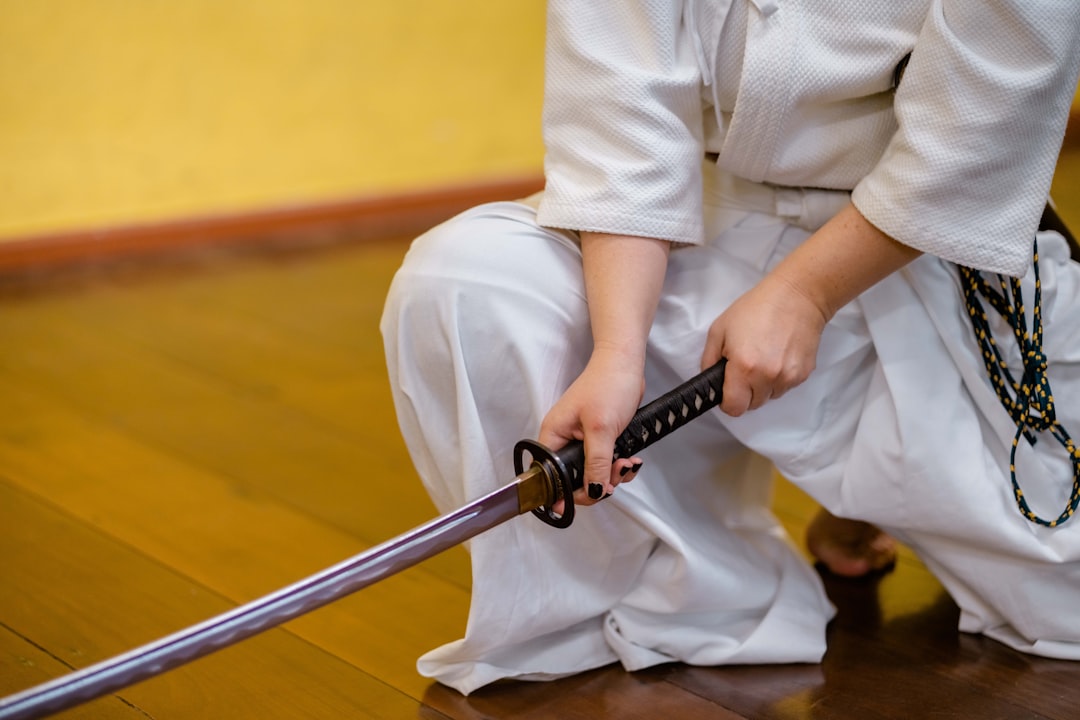
Hogyokukai Iaido, Taito (iaido)
Hogyokukai uses Japanese swords to teach the art of sword drawing. Classes for beginners and English instruction are available. The dojo is located on the 3rd floor at 4-20-10 Kuramae in Taito ward. Taito is easy to reach from most parts of central Tokyo, which removes one practical obstacle for new students.
Iaido is a solo practice. You do not spar with another person. You learn precise, deliberate sword movements that demand focus and body awareness. For adults who find the idea of physical contact difficult, this is a serious and deeply rewarding alternative.




Respect is the foundation of every Japanese dojo. Called reigi in Japanese, dojo etiquette reflects the deeper values that martial arts training is meant to cultivate. At Hogyokukai, as at every dojo on this list, a respectful attitude counts for more than any prior experience.
Start your training
Finding the right Tokyo dojo is a practical decision, not a complicated one. Every school on this list teaches entirely in English and welcomes adult beginners with no prior experience. Always contact the dojo in advance and never arrive unannounced. Japan’s formal culture means arriving without notice is considered rude. Send a polite email explaining your background and interest. Ask about a trial class, check the schedule, and then show up. Your Tokyo dojo is waiting, and it does not matter if you have never trained before in your life.
Discover more about Tokyo dojo
- Learning Japanese Martial Arts in Tokyo (Plaza Homes)
- Japan Martial Arts Guide for Residents: Judo, Kendo, Karate, Aikido and BJJ (Japan Wise Life)
- Martial Arts Training in Japan: Complete Guide for Foreigners (Japan Living Life)