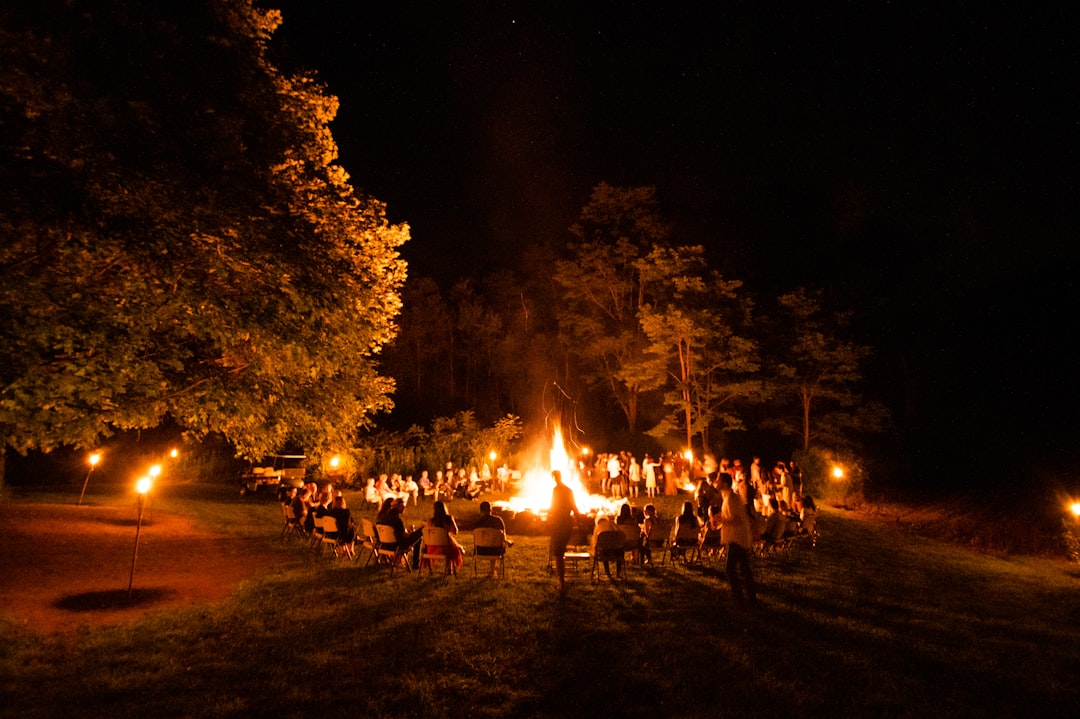
CONTACT
  • Login
Upgrade
TOKYOwebzine
Advertisement
  • Home
    • Our Authors
    • Media Kit
    • Contact
    • Cookie Policy
    • Terms and Conditions
  • News
  • Business
  • Lifestyle
    • Beauty
    • Kids
    • Sustainable living
    • Well-being
    • Sports
    • Creativity
  • Culture
  • Gastronomy
  • Travel
  • Global Tokyo
  • Insights
  • Local Guide
    • Activities in Tokyo
    • Hotels in Tokyo
    • Nightlife in Tokyo
    • Restaurants in Tokyo
    • Services in Tokyo
    • Shopping in Tokyo
  • Home
    • Our Authors
    • Media Kit
    • Contact
    • Cookie Policy
    • Terms and Conditions
  • News
  • Business
  • Lifestyle
    • Beauty
    • Kids
    • Sustainable living
    • Well-being
    • Sports
    • Creativity
  • Culture
  • Gastronomy
  • Travel
  • Global Tokyo
  • Insights
  • Local Guide
    • Activities in Tokyo
    • Hotels in Tokyo
    • Nightlife in Tokyo
    • Restaurants in Tokyo
    • Services in Tokyo
    • Shopping in Tokyo
No Result
View All Result
TOKYOwebzine
No Result
View All Result
Home Global Tokyo

Obon in Tokyo for foreign residents

From lantern floats on the Sumida River to open bon odori circles in your neighbourhood, Obon is Tokyo's most welcoming community moment.

A foreign resident woman joining a bon odori dance circle during Obon Tokyo

Obon Tokyo quietly transforms every neighbourhood in mid-August, and foreign residents are not just welcome to join, they are expected to.

What Obon actually is and why it matters to you

Obon is Japan’s midsummer homecoming: a period when families gather in the belief that their ancestors’ spirits return. Lanterns are lit to guide those souls, graves are cleaned, and community squares fill with rhythmic bon odori dances. For foreign residents, this is not a closed ceremony to watch from a distance. The holiday is a window into Buddhist traditions and a chance to take part in some of Japan’s most welcoming local festivals.
What began as a solemn ritual evolved into a family reunion holiday where people return to their hometowns, clean ancestral graves, make offerings at home altars, and participate in community dances and lantern ceremonies. For foreigners in Japan, Obon offers a rare and meaningful window into the spiritual heart of Japanese culture. Knowing this context helps you participate with real awareness, not just curiosity.

Unlike many events that are increasingly commercialized, Obon retains genuine religious and emotional significance for most Japanese families. That is exactly why joining it as a foreigner, with respect and a little preparation, carries so much weight.

When and where Obon happens in Tokyo

Tokyo’s Obon schedule is specific and often confuses new residents. Areas such as Tokyo, Ishikawa, and Shizuoka celebrate Obon over 4 days from July 13 to July 16. However, many Tokyo neighbourhoods further from the old city centre follow the national August schedule. Tokyo’s Obon (observed in July for the Shitamachi areas, August for outlying districts) is a quieter affair than regional festivals, but dozens of neighbourhood bon odori events take place throughout August.

For practical purposes, treat the period from roughly August 10 to 17 as the true Obon window in Tokyo. Obon is not a single national public holiday in Japan. However, the most widely observed dates are August 13 to 16, and this is the window that effectively shuts down normal life across the country. Book any important appointments before this period begins.

https://noornoor.biz https://noornoor.biz https://noornoor.biz

Unlike Golden Week or New Year, Obon is not an official public holiday in Japan. Legally, employers do not have to give time off, but the cultural expectation is so strong that most companies and small businesses close anyway. Plan your grocery shopping and errands in advance.

The neighbourhood bon odori: the easiest way in

The most visible and foreigner-friendly part of Obon is bon odori: traditional circular folk dances held in neighbourhood parks, temple grounds, and open spaces across Tokyo. These are genuinely open to everyone, including complete strangers and first-time visitors. Most dances use simple, repetitive movements that anyone can pick up within minutes.

Participants, many dressed in colorful yukata, dance in a large circle around a raised wooden platform called a yagura, where musicians and singers perform traditional folk songs. A yukata is a lightweight cotton kimono worn to summer festivals. Foreigners absolutely can and should wear one: it is welcomed, not appropriative.

Nishi-Ogikubo and Koenji area festivals host lively, community-focused bon odori events with a relaxed atmosphere that is welcoming to expats and first-timers. In addition to traditional ondo and folk songs, it is not uncommon these days to dance to popular pop songs or anime songs. So do not worry if the music surprises you.

A person releasing a glowing paper lantern onto a river during the Obon Tokyo toro nagashi ceremony at dusk

A community voice on joining Obon as a foreigner

Obon is one of those moments when Tokyo’s communities become visible to newcomers in a way that the rest of the year simply does not allow. When you step into a bon odori circle in your own neighbourhood, you are not a tourist anymore: you are a local participant in something that has happened in that exact spot for generations. Foreign residents who join these dances, even badly and with laughter, are always welcomed warmly. The lanterns, the music, the smell of yakitori from the food stalls: all of it creates a shared memory that becomes part of your own story in this city. It is the single fastest way to feel genuinely at home in Tokyo.

Community perspective, long-term foreign residents and expat life professionals in Tokyo

-

A woman in a yukata joins a neighbourhood Bon Odori circle during Obon season in Tokyo, with paper lanterns glowing overhead.

Obon season in Tokyo: join the community

22/08/2026
A business executive reviews documents at a Tokyo headquarters office, with a city skyline visible through the window.

Tokyo headquarters: why companies choose it

03/08/2026
A performer on stage at Tokyo Idol Festival with a large crowd of fans cheering in the Odaiba waterfront venue

Tokyo Idol Festival: Odaiba goes global

30/07/2026
A woman browses small shops along the lantern-lined Yanaka Ginza, one of Tokyo's most beloved shitamachi streets

Shitamachi Sunday: a slow Tokyo day

23/07/2026
A woman in a yukata smiles while watching the Hanabi Tokyo fireworks show at night, surrounded by a crowd of festival-goers.

Hanabi Tokyo JPOP BEST: tickets and tips

02/07/2026
A woman enjoys authentic cuisine at one of the international food festivals held in Tokyo's parks in June.

Food festivals lighting up Tokyo parks

17/06/2026

Lantern floats and open temples worth visiting

Beyond the dances, 2 specific events stand out for foreign residents. The Yasukuni Shrine Mitama Festival is one of Tokyo’s largest Obon events, held in Chiyoda. Around 30,000 lanterns illuminate the shrine grounds. The scale alone makes the walk through those glowing paths memorable.

Tokyo’s toro nagashi lantern-floating ceremony offers a serene farewell to ancestral spirits. Held in Sumida Park, participants release paper inscribed with prayers or names of loved ones onto the Sumida River. You can participate alongside local families and residents to release your own lanterns. This moment is quiet and personal, and it is open to anyone.

Temples like the famous Senso-ji in Asakusa or Zojoji Temple near Tokyo Tower take on a special atmosphere during Obon. Lanterns are hung along corridors, and paper offerings and seasonal decorations appear in courtyards. You do not need to be Buddhist to walk through and observe respectfully.
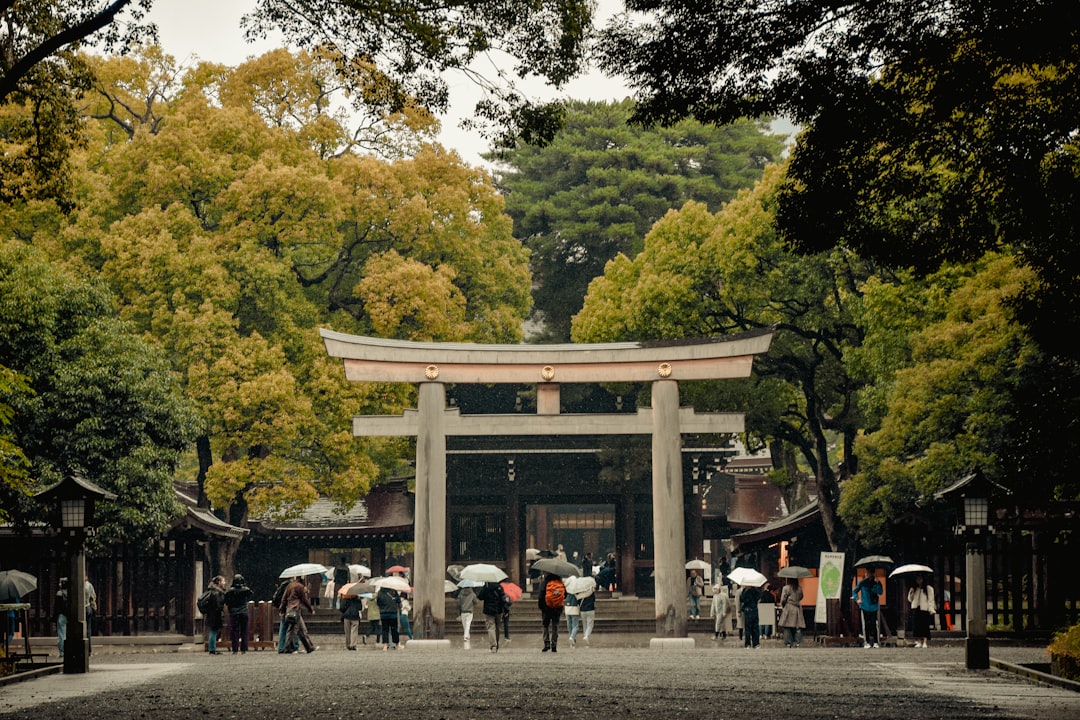
Visitors walking through rows of glowing chochin lanterns at a Tokyo temple during the Obon Tokyo festival season

Conclusion: let Obon Tokyo become your own tradition

Lighting a lantern or dancing under paper lamps turns abstract ancestry into lived community, a feeling that many foreigners find builds a deeper sense of belonging in Japan. Obon Tokyo is not something you need permission to join. Bon odori is completely open to everyone, including foreigners, and basic steps are easy to follow. This is arguably the best opportunity for foreign residents to participate in a genuine community tradition right in their own neighbourhood.

Find your nearest park or temple, listen for the taiko drums, and walk toward the sound. Obon Tokyo will meet you there. If you found this guide useful, share it with a neighbour who has not experienced their first Obon yet.

Discover more about Obon Tokyo

  • Japan Guide: Obon Festival Overview
  • What’s On Japan: Obon 2026 Complete Guide
  • Modern Living Tokyo: Obon in Tokyo for Foreign Residents

author avatar
Ashley Brooks
Ashley Brooks grew up in San Francisco and arrived in Tokyo as a travel blogger with a one-way ticket and a notebook. Six years later, she is the go-to voice for anyone navigating Tokyo as a newcomer, expat, or curious visitor. From hidden izakayas in Shimokitazawa to the best cherry blossom routes outside the guidebooks, her writing is practical, warm, and always honest about what it really means to live in one of the world's most fascinating cities.
See Full Bio
Previous Post

Repair cafés Tokyo: fix, don’t replace

Next Post

Tokyo dojo guide for adult beginners

Related Posts

A woman in a yukata joins a neighbourhood Bon Odori circle during Obon season in Tokyo, with paper lanterns glowing overhead.
Global Tokyo

Obon season in Tokyo: join the community

22/08/2026
A business executive reviews documents at a Tokyo headquarters office, with a city skyline visible through the window.
Global Tokyo

Tokyo headquarters: why companies choose it

03/08/2026
A performer on stage at Tokyo Idol Festival with a large crowd of fans cheering in the Odaiba waterfront venue
Global Tokyo

Tokyo Idol Festival: Odaiba goes global

30/07/2026
A woman browses small shops along the lantern-lined Yanaka Ginza, one of Tokyo's most beloved shitamachi streets
Global Tokyo

Shitamachi Sunday: a slow Tokyo day

23/07/2026
A woman in a yukata smiles while watching the Hanabi Tokyo fireworks show at night, surrounded by a crowd of festival-goers.
Global Tokyo

Hanabi Tokyo JPOP BEST: tickets and tips

02/07/2026
Next Post
An adult beginner receives English instruction from a sensei at a Tokyo dojo during a karate class

Tokyo dojo guide for adult beginners

Leave a Reply Cancel reply

Your email address will not be published. Required fields are marked *

No Result
View All Result

Our Focus

TOKYOwebzine is your international window on Tokyo: lifestyle, business, culture, sports and events for a global audience drawn to the city's unique blend of tradition and innovation.

Our Readers

TOKYOwebzine addresses readers who engage with Tokyo at a high level: professionally, financially, strategically, and as decision-makers in their fields.

Our Approach

Lifestyle, design, and culture are integrated as context and indicators of economic precision, creative depth, and Japan's enduring global influence, not standalone entertainment.

Recent Post

  • Mt Fuji climbing: what hikers must know
  • Gluten-free izakaya: Tokyo guide

© 2026 TOKYOwebzine by NOOR & NOOR — part of WEBZINE.world.

Welcome Back!

Login to your account below

Forgotten Password?

Retrieve your password

Please enter your username or email address to reset your password.

Log In
Manage Consent
To provide the best experiences, we use technologies like cookies to store and/or access device information. Consenting to these technologies will allow us to process data such as browsing behavior or unique IDs on this site. Not consenting or withdrawing consent, may adversely affect certain features and functions.
Functional Always active
The technical storage or access is strictly necessary for the legitimate purpose of enabling the use of a specific service explicitly requested by the subscriber or user, or for the sole purpose of carrying out the transmission of a communication over an electronic communications network.
Preferences
The technical storage or access is necessary for the legitimate purpose of storing preferences that are not requested by the subscriber or user.
Statistics
The technical storage or access that is used exclusively for statistical purposes. The technical storage or access that is used exclusively for anonymous statistical purposes. Without a subpoena, voluntary compliance on the part of your Internet Service Provider, or additional records from a third party, information stored or retrieved for this purpose alone cannot usually be used to identify you.
Marketing
The technical storage or access is required to create user profiles to send advertising, or to track the user on a website or across several websites for similar marketing purposes.
  • Manage options
  • Manage services
  • Manage {vendor_count} vendors
  • Read more about these purposes
View preferences
  • {title}
  • {title}
  • {title}
No Result
View All Result
  • Home
    • Our Authors
    • Media Kit
    • Contact
    • Cookie Policy
    • Terms and Conditions
  • News
  • Business
  • Lifestyle
    • Beauty
    • Kids
    • Sustainable living
    • Well-being
    • Sports
    • Creativity
  • Culture
  • Gastronomy
  • Travel
  • Global Tokyo
  • Insights
  • Local Guide
    • Activities in Tokyo
    • Hotels in Tokyo
    • Nightlife in Tokyo
    • Restaurants in Tokyo
    • Services in Tokyo
    • Shopping in Tokyo

© 2026 TOKYOwebzine by NOOR & NOOR — part of WEBZINE.world.

Are you sure want to unlock this post?
Unlock left : 0
Are you sure want to cancel subscription?
Verified by MonsterInsights
enEnglishja日本語