CONTACT
  • Login
Upgrade
TOKYOwebzine
Advertisement
  • Home
    • Our Authors
    • Media Kit
    • Contact
    • Cookie Policy
    • Terms and Conditions
  • News
  • Business
  • Lifestyle
    • Beauty
    • Kids
    • Sustainable living
    • Well-being
    • Sports
    • Creativity
  • Culture
  • Gastronomy
  • Travel
  • Global Tokyo
  • Insights
  • Local Guide
    • Activities in Tokyo
    • Hotels in Tokyo
    • Nightlife in Tokyo
    • Restaurants in Tokyo
    • Services in Tokyo
    • Shopping in Tokyo
  • Home
    • Our Authors
    • Media Kit
    • Contact
    • Cookie Policy
    • Terms and Conditions
  • News
  • Business
  • Lifestyle
    • Beauty
    • Kids
    • Sustainable living
    • Well-being
    • Sports
    • Creativity
  • Culture
  • Gastronomy
  • Travel
  • Global Tokyo
  • Insights
  • Local Guide
    • Activities in Tokyo
    • Hotels in Tokyo
    • Nightlife in Tokyo
    • Restaurants in Tokyo
    • Services in Tokyo
    • Shopping in Tokyo
No Result
View All Result
TOKYOwebzine
No Result
View All Result
Home Luxury Lifestyle Gastronomy

Gluten-free izakaya: Tokyo guide

How to eat safely and beautifully at Tokyo's beloved izakaya, one dish at a time.

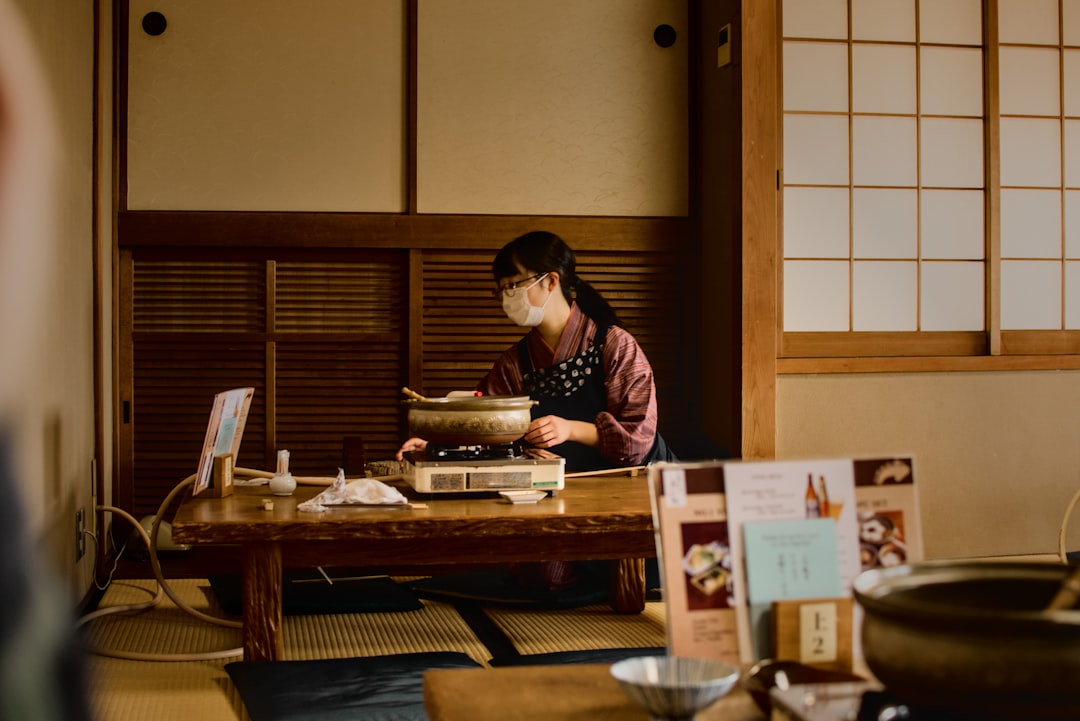
A woman cooking an izakaya menu in Tokyo while navigating a gluten-free izakaya dinner

Gluten-free izakaya culture in Tokyo holds the same beauty as a carefully arranged bento: every element has its place, and the ritual of choosing well is itself a pleasure.

Understanding the izakaya kitchen

The izakaya is Japan’s version of the French brasserie: a warm, informal space built around shared plates, good drinks, and slow conversation. Izakayas are known for their relaxed ambiance and a wide range of small shared plates. For gluten-free diners, however, the kitchen holds some surprises. The Japan Celiac Association is a non-profit raising celiac awareness in Japan, because traditional ingredients like soy sauce, miso, and dashi frequently contain hidden wheat.
Standard soy sauce contains wheat. Most tare glazes and many dipping sauces contain wheat. While wheat is listed on Japan’s mandatory food label allergens list, rye, barley, and oats are not. Gluten-free menus are not common in Japan, so it is best to ask the servers. Knowledge is your first and most important tool before you sit down.

Wheat is now the 3rd most common allergy in Japan. As a result, awareness of celiac disease and the gluten-free diet is on the rise, and this has led to an increase in gluten-free restaurant openings across Japan. This shift is gradual, but it is real, and Tokyo leads the way.

What to order at a gluten-free izakaya

Several classic izakaya dishes are naturally safe or easy to modify. Edamame, steamed soybeans with salt, are naturally gluten-free and available at virtually every izakaya. Start there. Then look to the grill section of the menu.

Chicken skewers, yakitori, can be made with a salt cooking technique called shio, which means no sauce is added. Ask for yours to be seasoned with salt, shio, rather than the sweet soy sauce glaze, tare. This 1 simple word, shio, opens a significant part of the menu. Grilled fish, yakizakana, is also a staple of Japanese meals and is safe as long as no soy-sauce glaze is used.

https://noornoor.biz https://noornoor.biz https://noornoor.biz

For raw options, sashimi is a reliable choice. Many traditional Japanese foods are naturally free of gluten. Plain sashimi, raw fish slices served without rice, is one of the safest options. Most soy sauce in Japan contains wheat, so bring your own bottle of gluten-free tamari, or small disposable tamari packets. This small act of preparation transforms any sashimi plate into a complete and joyful experience.

What to avoid and where gluten hides

Even foods commonly thought to be gluten-free may contain sauces, syrups, and other ingredients that contain gluten. This is the essential truth of izakaya dining with an allergy. Miso soup, for example, often contains wheat-based dashi stock. Many fried dishes use wheat flour in the batter. Gyoza wrappers contain wheat.

Buckwheat soba noodles are traditionally gluten-free, but they are often now made with wheat flour mixed in. Check with the restaurant beforehand. The dipping sauce that ordinarily comes with soba is not gluten-free. Even a dish that sounds safe can carry hidden wheat. Sometimes edamame is prepared using udon water and can carry a risk of cross-contamination, which can be confirmed with the restaurant.

-

A shopper carefully selecting fresh sashimi trays at a Tokyo depachika basement food hall

Depachika gluten-free meals in Tokyo

01/08/2026
People in a Tokyo soba restaurant, dipping the chilled buckwheat noodles into a ceramic cup of dashi sauce.

Cold soba and chilled tofu in Tokyo

31/07/2026
japanese women searching for gluten free food labels

Japanese food labels: hidden gluten guide

24/07/2026
A hotel bartender presents a curated Japanese whisky flight on a dark wood counter in Tokyo

Japanese whisky flights in Tokyo hotel bars

17/07/2026
A baker slices a thick loaf of milk bread in a Tokyo bakery, showing its soft and pillowy crumb

Milk bread Tokyo: 6 bakeries worth the detour

11/07/2026
A woman savors a bowl of kakigori at aTokyo shop, holding a small spoon over a mountain of shaved ice with fresh fruit syrup.

Kakigori in Tokyo: 7 specialist shops

06/07/2026

Unless a restaurant specifically specializes in allergy-aware or gluten-free menus, there will always be a chance that cross-contamination can occur. Approach each visit with calm attention, not anxiety. The same mindful presence that makes French cuisine beautiful also makes gluten-free izakaya dining possible.
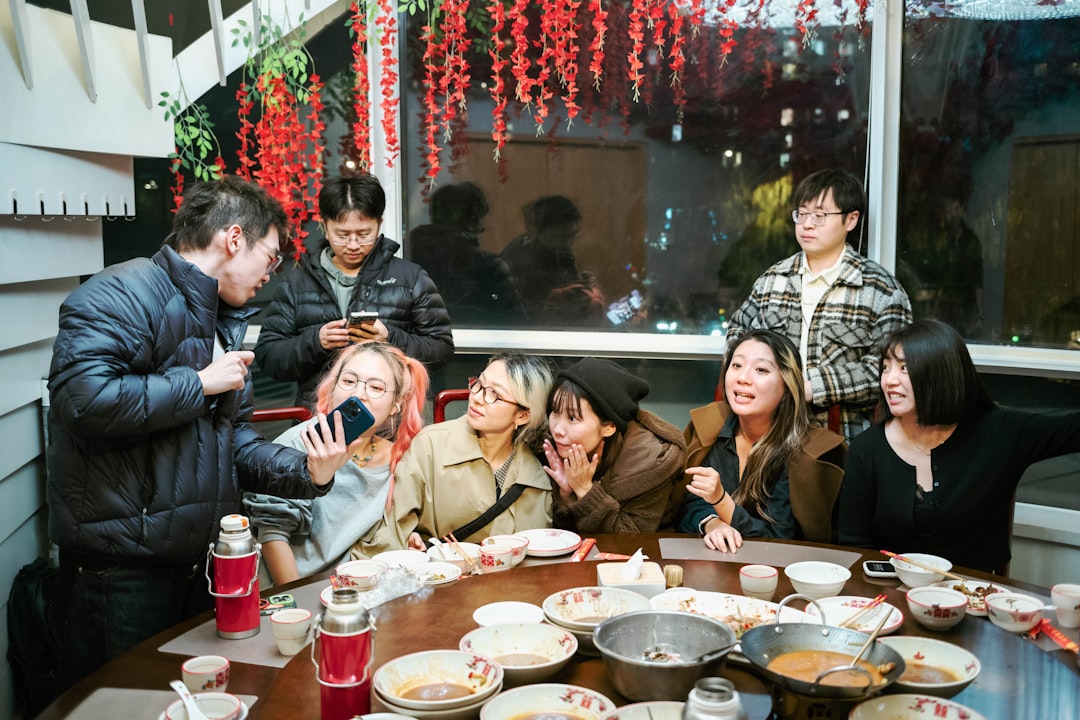
Friends sharing sashimi and yakitori plates at a gluten-free izakaya table in Tokyo

Expert perspective on gluten-free dining in Tokyo

The challenge of gluten-free dining in Japan is not a lack of goodwill from restaurant staff. It is a gap in shared vocabulary. Most izakaya chefs genuinely want to accommodate guests, but the concept of celiac disease as a medical condition remains unfamiliar in many kitchens. The words “gluten-free” often translate, in practice, to “no soy sauce,” which is only part of the solution. Diners who carry a printed allergy card in Japanese and who ask calm, specific questions receive far better results than those who rely on general requests. The izakaya format, built on small plates and open kitchens, is actually well suited to accommodation when the communication is precise. Each dish is prepared individually, which gives the kitchen real flexibility.

Industry perspective, food allergy awareness and restaurant professionals in Tokyo

How to ask safely: communication tools

Preparation before you arrive matters more than anything you do at the table. A gluten-free Japanese translation card is essential. Learn key phrases such as “komugi arerugī desu,” which means “I have a wheat allergy.” Write this phrase clearly, and keep it with you at all times.

If you are unsure, use your allergy vocabulary card or open a translation app, and speak to someone in the restaurant. Japanese people are usually very willing to help where they can, so do not hesitate to ask. Staff may not know the English word “gluten,” but they understand wheat allergy, “komugi arerugī,” as a serious concern.

The app “Find Me Gluten Free” is popular within the global celiac and gluten-free community. Users can search for nearby restaurants, read recent reviews, and see safety ratings based on other diners’ experiences. Use this tool before you choose your izakaya for the evening. One example of a dedicated option in Tokyo is Gluten-free Izakaya SHION, a 100% gluten-free restaurant where the owner prepares a set menu of traditional Japanese fare.
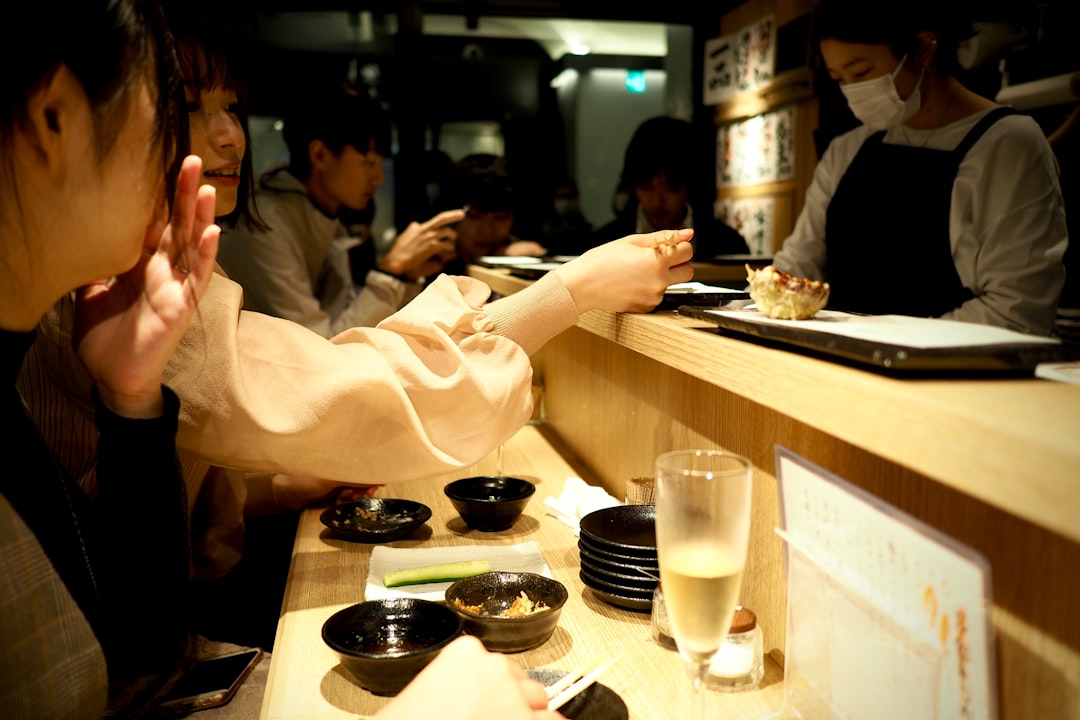
A traveler using a phone app to find a gluten-free izakaya in a Tokyo neighborhood at night

Conclusion

Gluten-free izakaya dining in Tokyo rewards the diner who prepares well and observes closely. The same craft that shapes a French artisan’s work also shapes an izakaya menu: every ingredient has a reason, and every question you ask brings you closer to a meal made with care. Bring your tamari, carry your allergy card, and order shio yakitori with confidence. Tokyo has the best gluten-free options among Japanese cities, and the gluten-free izakaya scene here continues to grow. Choose your table, choose your dishes, and let each small plate become its own small ceremony.

Discover more about gluten-free izakaya

  • Celiac Disease Foundation: About Us
  • IMARC Group: Japan Gluten-Free Food Market Size and Growth Report
  • Endless Distances: Gluten-Free Tokyo, The Complete Guide for Celiacs

author avatar
Camille Dufour
Camille Dufour left Paris for Tokyo on a photography assignment and never went back. Nine years later, she writes about the city's extraordinary lifestyle scene: from Harajuku's avant-garde fashion to the meditative rituals of a traditional Tokyo bathhouse. Her work celebrates the surprising harmony between French and Japanese aesthetics, two cultures that share a deep reverence for craft, gastronomy, beauty, and daily ritual.
See Full Bio
Previous Post

Open water swimming events near Tokyo

Next Post

Mt Fuji climbing: what hikers must know

Related Posts

A shopper carefully selecting fresh sashimi trays at a Tokyo depachika basement food hall
Gastronomy

Depachika gluten-free meals in Tokyo

01/08/2026
People in a Tokyo soba restaurant, dipping the chilled buckwheat noodles into a ceramic cup of dashi sauce.
Gastronomy

Cold soba and chilled tofu in Tokyo

31/07/2026
japanese women searching for gluten free food labels
Gastronomy

Japanese food labels: hidden gluten guide

24/07/2026
A hotel bartender presents a curated Japanese whisky flight on a dark wood counter in Tokyo
Gastronomy

Japanese whisky flights in Tokyo hotel bars

17/07/2026
A baker slices a thick loaf of milk bread in a Tokyo bakery, showing its soft and pillowy crumb
Gastronomy

Milk bread Tokyo: 6 bakeries worth the detour

11/07/2026
Next Post
A woman hiker pauses on the Yoshida Trail during Mt Fuji climbing season, with the early morning sky turning pink behind her.

Mt Fuji climbing: what hikers must know

Leave a Reply Cancel reply

Your email address will not be published. Required fields are marked *

No Result
View All Result

Our Focus

TOKYOwebzine is your international window on Tokyo: lifestyle, business, culture, sports and events for a global audience drawn to the city's unique blend of tradition and innovation.

Our Readers

TOKYOwebzine addresses readers who engage with Tokyo at a high level: professionally, financially, strategically, and as decision-makers in their fields.

Our Approach

Lifestyle, design, and culture are integrated as context and indicators of economic precision, creative depth, and Japan's enduring global influence, not standalone entertainment.

Recent Post

  • Mt Fuji climbing: what hikers must know
  • Gluten-free izakaya: Tokyo guide

© 2026 TOKYOwebzine by NOOR & NOOR — part of WEBZINE.world.

Welcome Back!

Login to your account below

Forgotten Password?

Retrieve your password

Please enter your username or email address to reset your password.

Log In
Manage Consent
To provide the best experiences, we use technologies like cookies to store and/or access device information. Consenting to these technologies will allow us to process data such as browsing behavior or unique IDs on this site. Not consenting or withdrawing consent, may adversely affect certain features and functions.
Functional Always active
The technical storage or access is strictly necessary for the legitimate purpose of enabling the use of a specific service explicitly requested by the subscriber or user, or for the sole purpose of carrying out the transmission of a communication over an electronic communications network.
Preferences
The technical storage or access is necessary for the legitimate purpose of storing preferences that are not requested by the subscriber or user.
Statistics
The technical storage or access that is used exclusively for statistical purposes. The technical storage or access that is used exclusively for anonymous statistical purposes. Without a subpoena, voluntary compliance on the part of your Internet Service Provider, or additional records from a third party, information stored or retrieved for this purpose alone cannot usually be used to identify you.
Marketing
The technical storage or access is required to create user profiles to send advertising, or to track the user on a website or across several websites for similar marketing purposes.
  • Manage options
  • Manage services
  • Manage {vendor_count} vendors
  • Read more about these purposes
View preferences
  • {title}
  • {title}
  • {title}
No Result
View All Result
  • Home
    • Our Authors
    • Media Kit
    • Contact
    • Cookie Policy
    • Terms and Conditions
  • News
  • Business
  • Lifestyle
    • Beauty
    • Kids
    • Sustainable living
    • Well-being
    • Sports
    • Creativity
  • Culture
  • Gastronomy
  • Travel
  • Global Tokyo
  • Insights
  • Local Guide
    • Activities in Tokyo
    • Hotels in Tokyo
    • Nightlife in Tokyo
    • Restaurants in Tokyo
    • Services in Tokyo
    • Shopping in Tokyo

© 2026 TOKYOwebzine by NOOR & NOOR — part of WEBZINE.world.

Are you sure want to unlock this post?
Unlock left : 0
Are you sure want to cancel subscription?
Verified by MonsterInsights
enEnglishja日本語