Mt Fuji climbing is one of Japan’s most deliberate rituals, and the 2026 season closes September 10, leaving Tokyo-based hikers with a final, narrow window to ascend Japan’s most beloved peak with intention and care.
What the season closing means for Tokyo hikers
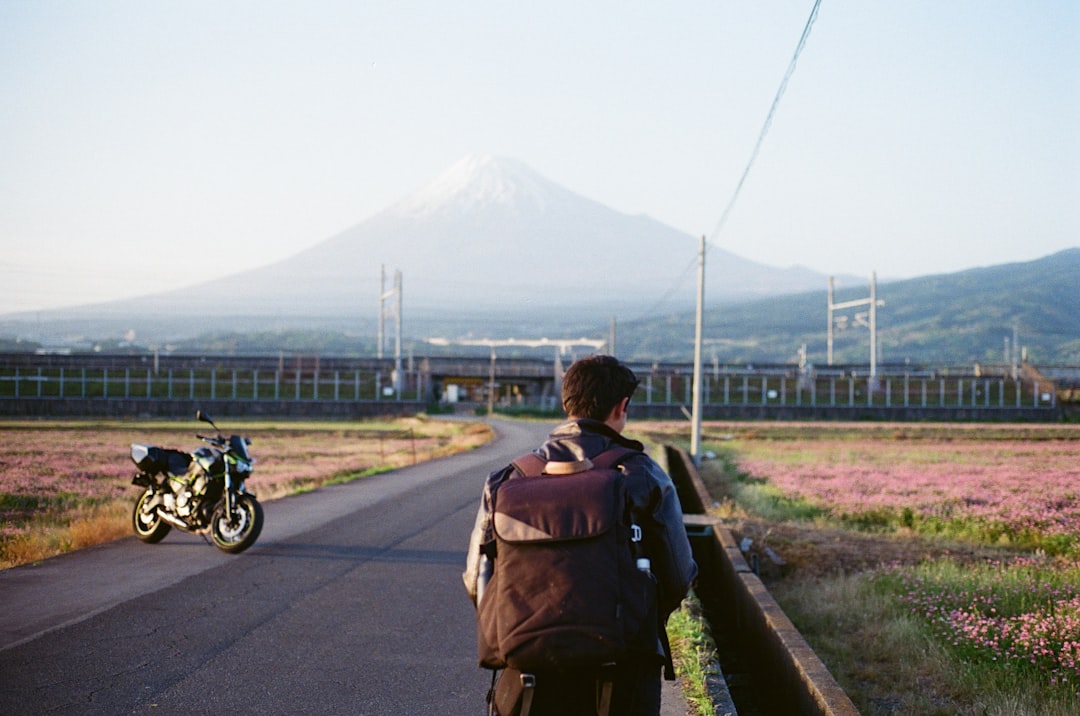
Mt Fuji attracts over 300,000 hikers each year to Japan’s highest peak, which stands at 3,776 meters. For hikers based in Tokyo, the mountain feels both close and ceremonial. It is visible on clear winter mornings from the city’s western neighborhoods, a white cone sitting quietly above the horizon. That visibility makes the closing of the climbing season feel personal.

The Yoshida and Subashiri trails run from July 1 to September 10. After that date, the trails are not maintained, huts are closed, and conditions become genuinely dangerous, with snow, ice, and extreme wind. Tokyo hikers who have not yet made the ascent this year have a very short window remaining. Treat this deadline as fixed and firm.
Early July to mid-September is the official climbing season, when the trails and mountain facilities are open, the mountain is usually free of snow, weather is relatively mild, access by public transport is easy, and mountain huts are open. Outside this period, the mountain is a different place entirely.
The gate rule every hiker must respect
Mt Fuji climbing in 2026 is governed by clear and enforced rules. The most important one concerns the gate on the Yoshida Trail. A 4,000 yen hiking fee is mandatory regardless of which trail you choose, and the trailheads are physically restricted by gates that close between 14:00 and 03:00 to anyone without a mountain hut reservation.
If you arrive at the trailhead gates after the 14:00 afternoon closure, you will be turned away unless you can present a digital or printed receipt of a valid mountain hut reservation for that evening. This is not a suggestion. Rangers staff these gates and enforce the rule without exception. Arriving late, even by a few minutes, ends your climb before it begins.

A daily limit of 4,000 hikers is maintained on the Yoshida Trail, but this number was not reached on any day in 2025 or 2024. So the real obstacle is not the daily cap. It is the gate closing time. Plan your transport from Tokyo so that you arrive at the 5th Station well before 14:00.
Preparation as a form of respect
Good preparation for Mt Fuji climbing is not only practical. It is, in the French and Japanese traditions alike, an expression of respect: for the mountain, for other climbers, and for the rangers who maintain safety on the trail. For 2026, rangers at the Yoshida gate are conducting physical safety audits. If you do not possess proper hiking boots, a two-piece rain suit, and cold-weather clothing layers, you will be legally denied entry to the mountain, regardless of your reservation status.
Summit temperatures average 0 to 5 degrees Celsius even in August, with wind chill regularly pushing effective temperatures to minus 10 degrees Celsius. Pack for cold, not for late summer warmth. Treat your gear list the way a craftsperson treats a tool kit: every item earns its place.
Reserve your entry pass in advance via the official booking portal at fujisan-climb.jp. Although same-day registration and payment are available, you want to avoid the risk of being turned away once the daily limit is reached. Book trail access and mountain hut accommodation as 2 separate reservations. Booking your trail access is completely separate from booking a mountain hut. You must reserve both individually.
An experienced perspective on the ascent
Perspective from the mountain
Mt Fuji climbing rewards patience far more than speed. The climbers who struggle most are not the least fit. They are the ones who skipped the mountain hut, skipped the layers, or skipped the time spent resting at the 5th Station. A slow, intentional ascent, with a proper overnight stay around the 7th or 8th station, gives the body time to adjust to the altitude and positions you for the pre-dawn walk to the summit. The Yoshida Trail faces east, which means you do not need to reach the crater to see the goraikō, the sacred sunrise. You can watch it from the 7th station, wrapped in a thermal layer, with a cup of warm tea from the hut. That moment, quiet and deliberate, is the real summit. The gate at 14:00, the gear checks, the mandatory fee: all of these rules exist because the mountain deserves that level of care from every person who walks its trails.
Industry perspective, mountain wellness and outdoor preparation professionals in Japan
The two-day plan from Tokyo
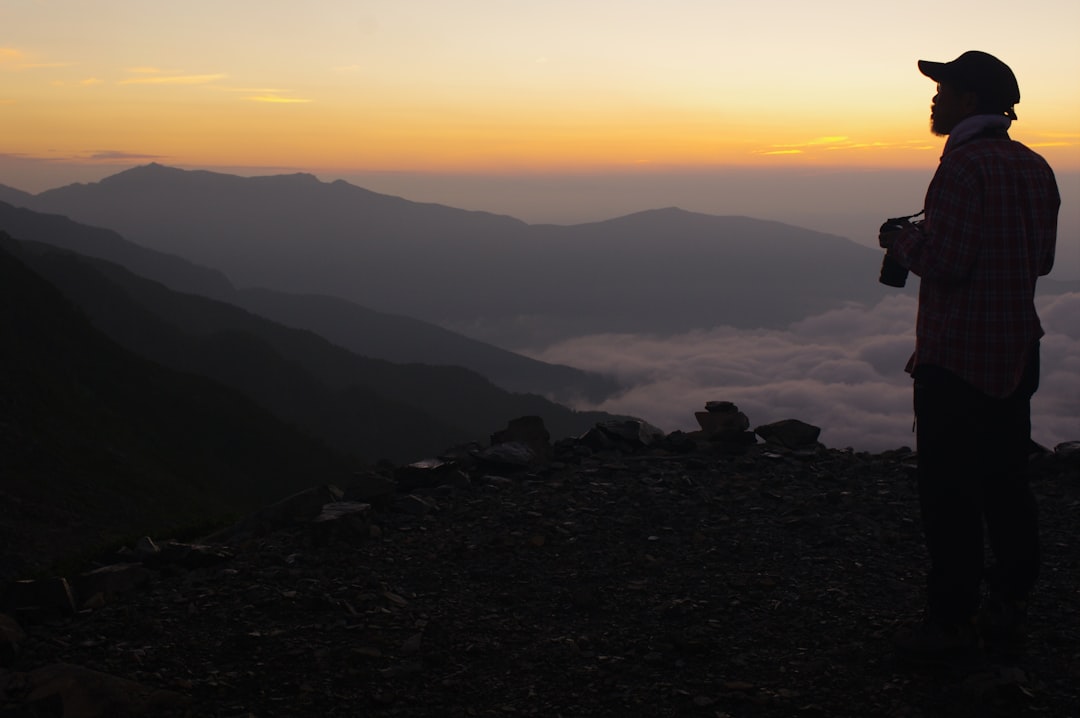
Mt Fuji climbing from Tokyo works well as a 2-day, 1-night trip. The two-day, one-night itinerary is the gold standard for good reason. Spending the night at a hut around the 7th or 8th station lets your body adjust to the altitude, eliminates dangerous overnight bullet-climbing, and positions you perfectly for a pre-dawn summit push to catch the goraikō, the sacred sunrise.
Hourly buses run during the 2026 climbing season from Fujisan and Kawaguchiko Station, costing 2,000 yen one way or 3,400 yen for a round trip, with a journey time of 50 minutes. From Shinjuku, the journey to Kawaguchiko Station takes approximately 2 hours by direct express bus. Factor this into your planning so you reach the trailhead gate before 14:00 with full comfort.
Huts at the 8th station position you 1 to 2 hours below the summit, allowing departure at 02:00 to 03:00 for a 04:00 to 05:00 summit arrival at sunrise. Huts on the 9th station or higher give minimal acclimatization time, while huts on the 6th or lower 7th station require longer night climbs and increase exhaustion. The 8th station offers the best balance of rest and positioning.
Why this season matters
To combat severe overtourism and dangerous bullet climbing, which means rushing to the summit overnight without sleep, local authorities have strictly overhauled access rules. These changes are not obstacles. They are an invitation to climb with intention. The mountain has always rewarded that quality.





Mt Fuji is a Shinto sacred mountain. Bow at the shrine torii if you pass through, keep your voice down, do not litter, and do not take stones or pebbles from the mountain. These small acts carry the same spirit as the French idea of *savoir-faire*: knowing how to behave with grace in a place that matters.

The 2026 season closes on September 10. For Tokyo-based hikers who love beauty, ritual, and the discipline of preparation, very few experiences match a well-planned ascent of this mountain.
Plan your final ascent now
Mt Fuji climbing before the season closes is a gift you give yourself through preparation, not spontaneity. Confirm your trail reservation at fujisan-climb.jp. Book your mountain hut separately. Pack for cold weather. Arrive at the 5th Station before 14:00. These are not bureaucratic steps. They are the ritual itself, the careful, respectful sequence that transforms a hike into something closer to ceremony. This is the Japanese way, and it is also, at heart, the French way: honor the craft, honor the place, honor the moment. The season closes September 10. Go with intention.
Discover more about Mt Fuji climbing
- Official Mt Fuji Climbing Website (fujisan-climb.jp)
- Japan Guide: Climbing Mount Fuji, routes, fees, and rules
- Tokyo Cheapo: Mount Fuji rules in 2026, what to know