Milk bread in Tokyo is more than soft bread on a shelf. It is a daily ritual, a mark of neighborhood pride, and proof that the Japanese art of baking rewards those who seek it with care.
Why Tokyo’s milk bread culture runs so deep
Shokupan, which translates literally as “eating bread,” is a soft, fluffy white loaf baked in a rectangular mold. It is a Japanese adaptation of European breads, including the British tin loaf and French pain de mie. That European origin feels fitting for a city where French craft and Japanese precision meet so naturally in the kitchen.

What started as a Western import is now a fixture of the Japanese breakfast table, and in recent years it has evolved into a genuine food obsession, complete with specialty shops, long queues, and loaves that cost more than 1,000 yen. The devotion feels proportionate. There are 10,000 or more bakeries across Japan nationwide, and in 2017 baker Mei Narusawa became the first woman and first non-French winner of France’s national “Best Baguette” competition.
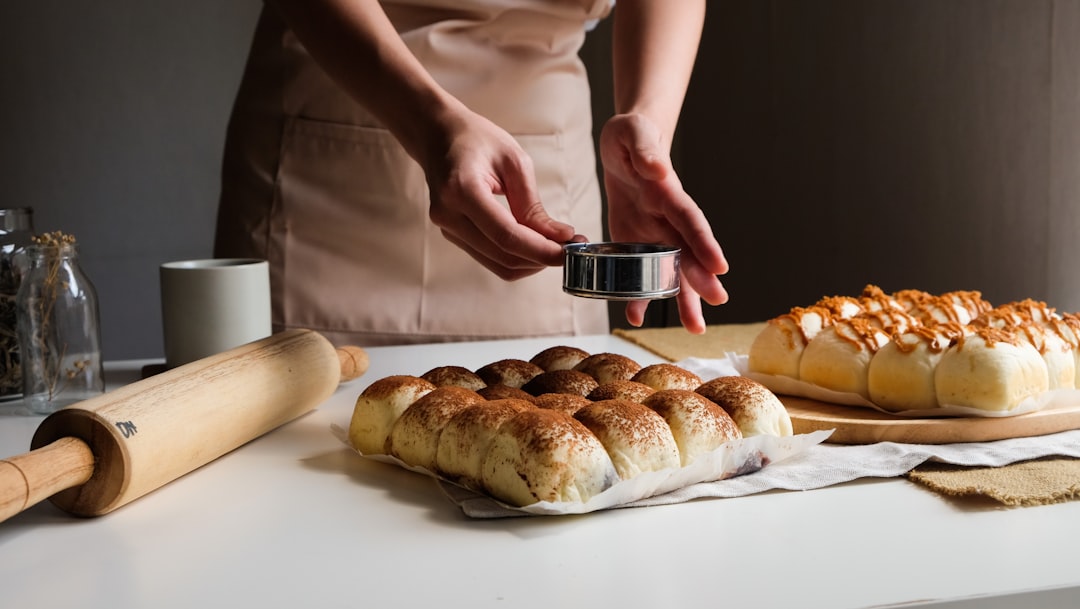
What sets shokupan apart today is its impossibly pillowy texture, milky aroma, and delicate sweetness. Bakers use a precise balance of high-hydration dough, often including ingredients like milk, cream, or yudane, a gelatinized flour paste, to produce a tender crumb that feels cloudlike. Each loaf is a small object of beauty, and these 6 Tokyo addresses treat it exactly that way.
3 bakeries built on tradition and neighborhood loyalty
Pelican, Asakusa (Taito): Pelican is famous for its plain but perfect shokupan. The square-shaped loaves are soft, lightly sweet, and ideal for toast. The bakery has a loyal following, and a small café nearby lets you try sandwiches made with its bread. Pelican in Asakusa has been baking shokupan since 1942. More than 80 years of daily practice show in every slice.
Ginza Kimuraya (Chuo): Anpan is arguably the most famous and historic Japanese sweet bread, first invented in 1874 by a bakery in Ginza. This soft roll is traditionally filled with anko, a sweet paste made from boiled azuki red beans. Its creation was an effort to blend Western bread-making with flavors appealing to the Japanese palate, making it a foundational treat in Japanese bakery culture. Kimuraya is still open in Ginza today, serving that same warm, careful bun.

Kandagawa Bakery, Waseda (Shinjuku area): Kandagawa Bakery is a quiet discovery in a residential neighborhood near Waseda. It attracts locals and visitors alike with freshly baked goods that include raisins, matcha, red bean paste, and cheese. Its seasonal sourdough loaves and rustic breads are particularly popular, known for their dark crust and earthy taste. The matcha and red bean combination feels deeply Japanese and entirely right.
3 more addresses that celebrate the craft of milk bread
Nogami (multiple Tokyo districts): Selected as one of Japan’s top 10 loaves in 2016, Nogami reportedly sells over 20,000 loaves a day. Known for its nama (raw) shokupan, Nogami bakes each loaf in-store using a custom-blended flour mix. There is no dine-in option, but you can add a jam set with strawberry, marmalade, or blueberry to pair with your loaf. In Tokyo, you will find locations in Azabu-Juban, Meguro, Nakano, Tanashi, and Ayase. The restraint of the concept is very Japanese and very correct.
Oreno Bakery (Yebisu Garden Place, Shibuya): Stylized as “My Bakery,” this upscale shop is located inside Yebisu Garden Place and is known for premium loaves made with rare Hokkaido wheat and milk sourced from free-range cows at Nakahora Farm in Iwate Prefecture. Each loaf is branded with kanji characters meaning “fragrance,” which emphasizes its sweet and subtle aroma. Beyond its signature shokupan, Oreno Bakery also offers pastries, baguettes, and hearty sandwiches. The loaf as a named object. A very Japanese idea of honor.
A shokupan specialist near Nezu Shrine (Bunkyo): This tiny neighborhood bakery near Nezu Shrine is worth the effort to find. Its understated storefront is easy to miss, but its chocolate milk bread and coffee chestnut loaf are standouts. Everything is baked in small batches with clear care for quality over quantity. The buttery pastries achieve a perfect flakiness, and the loaves have excellent crumb structure. Go early, as sellouts happen regularly because locals know exactly what they have nearby.
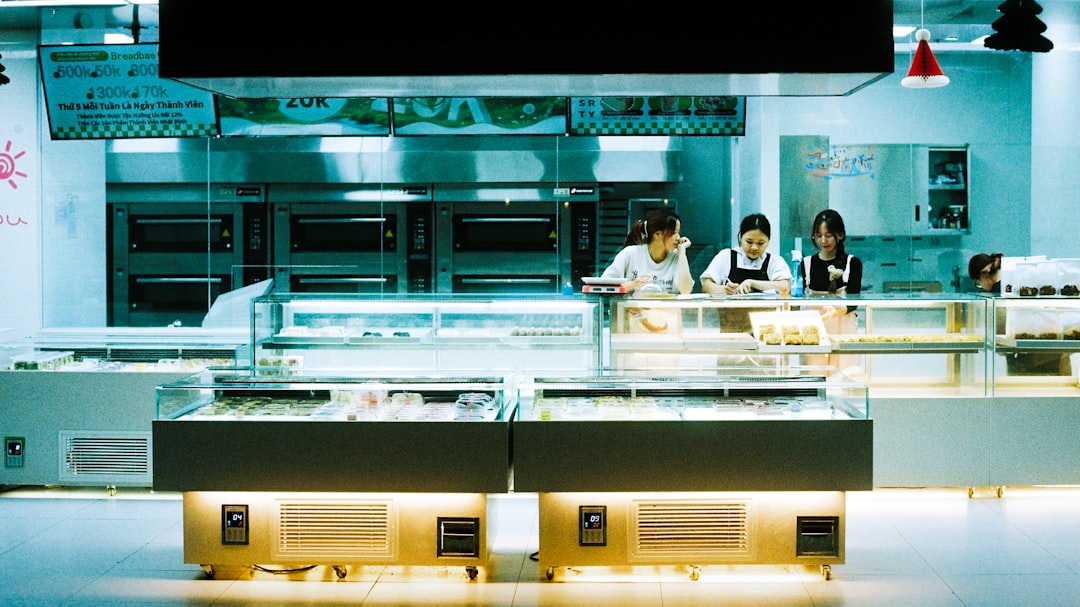
An expert perspective on Tokyo’s artisan bread moment
Tokyo’s bread culture is entering a more intentional phase. Bakers are returning to domestic wheat, choosing Hokkaido and Kitanokaori varieties for their distinct flavor and terroir. The milk bread tradition, in particular, demands patience: slow fermentation, careful hydration, and restraint with added sugars. What makes shokupan beautiful is the same quality that makes a great French pain de mie beautiful. It does not compete for attention. It earns it. The ritual of buying a fresh loaf each morning, of slicing it thick and toasting it simply, is the kind of food culture that defines a city. Tokyo’s independent bakeries are small, dedicated, and often hidden. That is precisely why they matter.
Industry perspective, artisan baking and food culture professionals in Tokyo



6 things to know before you visit
Tokyo’s milk bread culture has its own quiet rules. You will find many cafés and bakeries dedicated to turning out hundreds of fluffy white loaves each day across the city. Arrive early: sellouts happen regularly because locals know what they have nearby.
Shokupan uses a yudane method, where a portion of the flour is cooked with milk or water. This process keeps the bread moist and soft. Ask bakers which method they use. The answer tells you something about their philosophy. Some prefer a long cold ferment. Others use steam. Each choice produces a distinct result, and each bakery is proud of its own.
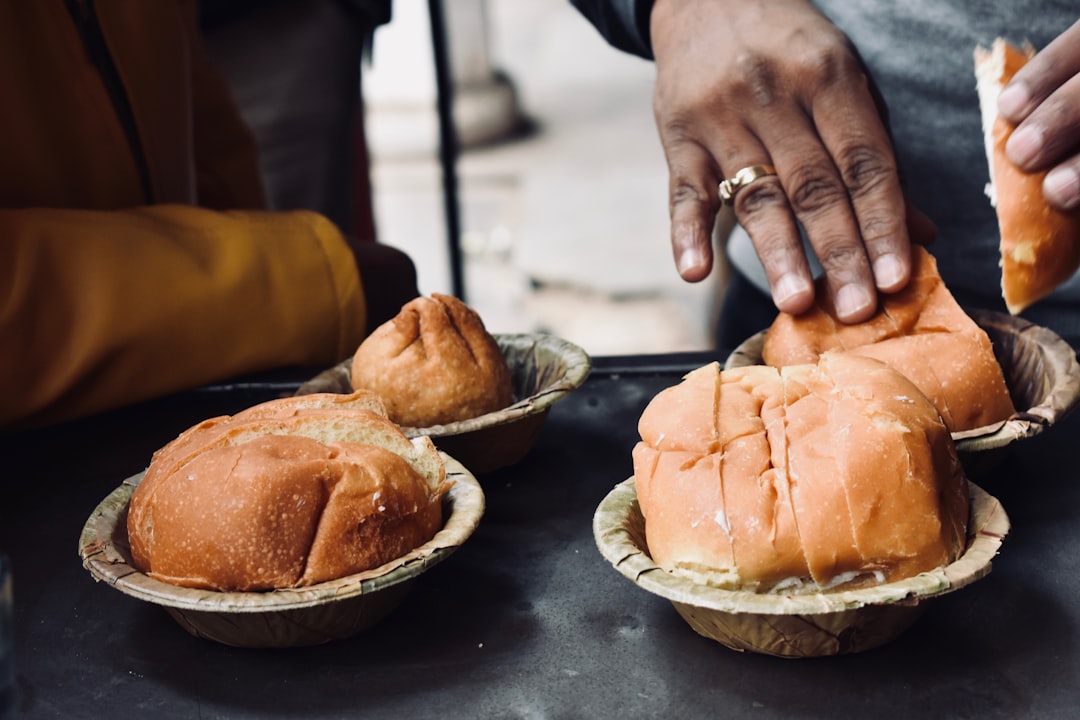
Tokyo residents enjoy shokupan in many ways, both savory and sweet: plain, toasted, or as a sandwich. At the anpan shops, the bun is best eaten warm and fresh, the red bean paste soft enough to press gently through the bread. For something more unusual, look for matcha anpan, which features twists of matcha-flavored bean paste between layers of soft white bread. That balance of green and sweet is a small lesson in Japanese aesthetics.
Why milk bread in Tokyo is worth every detour
Milk bread is not a trend in Tokyo. It is a fixture. It sits at the center of morning routines, school lunches, and neighborhood rituals that have continued for generations. Artisanal and specialty bakery products are gaining immense popularity in Japan, reflecting a broader trend toward authentic and high-quality food experiences. Consumer spending on artisan food products has surged by 10% annually, indicating a strong market for high-end bakery items.
The 6 bakeries in this list each approach milk bread with the same spirit: patient craft, honest ingredients, and genuine respect for the loaf. That spirit feels close to something French bakers would recognize, which is perhaps why Tokyo’s bread scene feels so naturally welcoming to anyone who loves beautiful, daily food. Seek out your own favorite address. Buy a full loaf. Toast it thick. Tokyo’s milk bread culture rewards those who give it full attention.

Discover more about milk bread
- Dining in Japan – Japan National Tourism Organization
- Japan Bakery Products Market Size, Share and Forecast Trends, Expert Market Research
- Japanese Milk Bread: Where to Find the Best Shokupan in Tokyo, Tokyo Weekender