Tokyo startup momentum has shifted in a way that demands attention from any founder who has yet to look east: a combination of government policy, global capital, and deep tech infrastructure is producing results that most outside observers have underestimated.
What the numbers reveal about Tokyo startup growth
Tokyo’s startup ecosystem grew 24.2% in 2025, ranks 13th globally, and holds total startup funding of over $3.55 billion. That rate of growth is not accidental. Tokyo accounts for 73.4% of all startup funding in Japan, a dominance that reflects its concentration of talent, capital, and corporate innovation infrastructure. With over 9,000 startups, Tokyo’s ecosystem is anchored in Shibuya, often called the Silicon Valley of Japan, where Startup Hub Tokyo operates alongside Google, major domestic tech companies, and hundreds of startups.
The capital base is also expanding from outside Japan. Tokyo’s startup scene is now attracting serious overseas venture capital attention, with Andreessen Horowitz, Khosla Ventures, and NEA all making their first meaningful Japan commitments in 2024 and 2025. This external interest reflects a structural shift, not short-term enthusiasm.
Japan’s startup environment, long considered insular and perhaps risk-averse, has evolved dramatically in the past decade due to a generational shift in mindset, government support, and investment. For foreign founders watching from a distance, now is the time to examine what has actually changed.
How government policy is opening doors for foreign founders
The policy framework behind Tokyo startup growth is direct and well-funded. Under a five-year plan announced in 2022, the government plans to invest 10 trillion yen by fiscal year 2027, with a goal of creating at least 100,000 new startups and 100 unicorns.
Starting in 2024, the duration of the Startup Visa was extended from 1 to 2 years, while a newly introduced Digital Nomad Visa further opens paths for foreign entrepreneurs. The expanded program, effective January 2025, addresses earlier limitations and makes it accessible nationwide with more relaxed requirements. This matters practically: a foreign founder can now arrive, develop a business plan, and build local relationships before committing to full incorporation.

Under the Tokyo Metropolitan Government’s Special Zone system, a special 6-month Business Manager status of residence can be granted if the Tokyo Metropolitan Government approves the business plan before the Immigration Bureau examines applicants upon entry. Tokyo Metropolitan Startup Support’s One-Stop Business Establishment Center offers comprehensive services including incorporation support, company registration, immigration assistance, and ongoing business consultation. Services are available in English, with dedicated support staff for foreign entrepreneurs navigating Japanese business requirements.
The sectors where Tokyo startup innovation is strongest
Tokyo is strongest in fintech, SaaS, AI, robotics, and consumer services. These are not emerging bets. They are mature clusters with corporate buyers, research infrastructure, and experienced investors already in place.
Japan External Trade Organisation’s head of startup initiatives notes that Japan’s strengths are in deep tech, including clean tech, climate tech, and physical AI. Because the Japanese startup ecosystem has been driven by corporates and corporate venture capital, their interest is always in deep tech. For foreign founders building in these areas, Japan offers something most markets cannot: direct access to large corporations that actively seek outside innovation as partners.
Corporate-affiliated capital for startup investments has grown significantly. In 2013, there was just 20.3 billion yen in total corporate-affiliated capital, but this figure has now increased to 487.5 billion yen. This growth reflects a cultural shift inside Japanese industry, not just government policy.

Expert perspective on Tokyo startup opportunity
Japan is a very large market and one of the world’s largest economies. As startups begin to understand the opportunity here and see other examples of founders coming here, they will see this is a good market to enter. The direction is clear: deep tech, robotics, AI, quantum computing, life science, and medical devices will define Japan’s startup future. More and more startup clients are founded by foreigners living in Japan, whether students completing PhDs at Japanese universities or long-term residents. It is perhaps the diverse backgrounds of these founders that allow them to identify opportunities that may not be evident to others. The Japanese government is intentional about nurturing this ecosystem, and the programs in place to encourage innovation are real and accessible.
Industry perspective, venture capital and startup support professionals in Tokyo



How to connect with the Tokyo startup ecosystem as a foreign founder
The entry points are concrete and accessible. The Japan External Trade Organization plays a central role in advancing Japan’s economic and technological development. Managed by the Ministry of Economy, Trade and Industry, the agency helps businesses expand overseas while attracting foreign investment. With a network of more than 70 overseas offices and about 50 domestic bases, JETRO is well positioned to help startups establish a presence abroad.
In 2024, Techstars launched its first accelerator program in Japan: Techstars Tokyo. This initiative, powered by partnerships with Mitsui Fudosan and JETRO, marked a significant milestone in Japan’s evolving startup landscape. The program offers up to $120,000 in funding and access to a global network of mentors and investors. For foreign founders, a program like this provides both capital and the trusted local relationships that take years to build independently.
Japanese venture capital firms tend to be more conservative and relationship-driven compared to their Western counterparts. They place heavy emphasis on relationships and trust, which means fundraising can take longer as investors get to know founders. Patience is not a weakness here. It is the entry requirement for building durable partnerships in Tokyo.
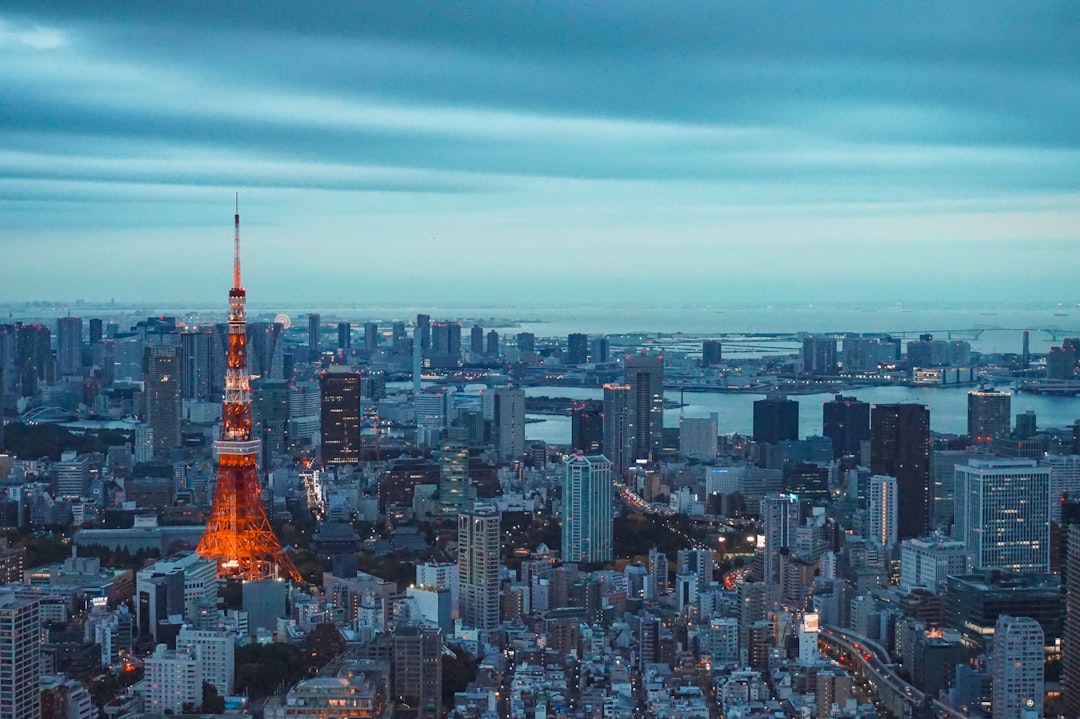
Conclusion: Tokyo startup is the opportunity patient founders deserve
Venture capital investors are finding fresh opportunities in Japan, seeing a new generation of entrepreneurs eager for capital, less competition than in more established startup markets, and government support programs designed to accelerate the startup ecosystem. For foreign founders, the window is open.
The Tokyo startup ecosystem now has the infrastructure to support international entrepreneurs at every stage: visa access, government subsidies, world-class accelerators, and deep corporate networks in technology and industry. Founders who approach this market with respect for its culture, commitment to long-term relationships, and a genuine solution for its challenges will find Tokyo to be one of the most rewarding cities in the world to build a company. The momentum is real. The question is whether you are ready to move.

Discover more about Tokyo startup
- Tokyo Metropolitan Government Support for Foreign Entrepreneurs
- JETRO Invest Japan Report 2025: Startup Ecosystem and Overseas Capital
- Techstars Tokyo: Accelerating Global Innovation in Japan, The Japan Times