Shotengai investment is one of Tokyo’s most undervalued retail opportunities, sitting in plain view on nearly every neighborhood street in the city.
What a shotengai actually is
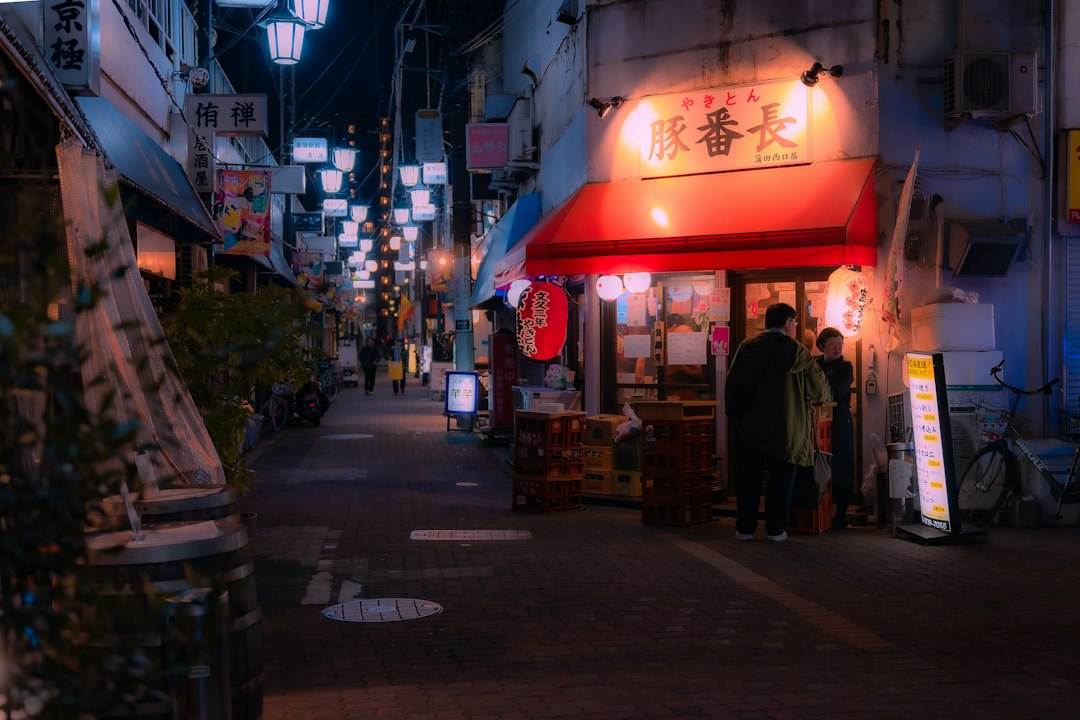
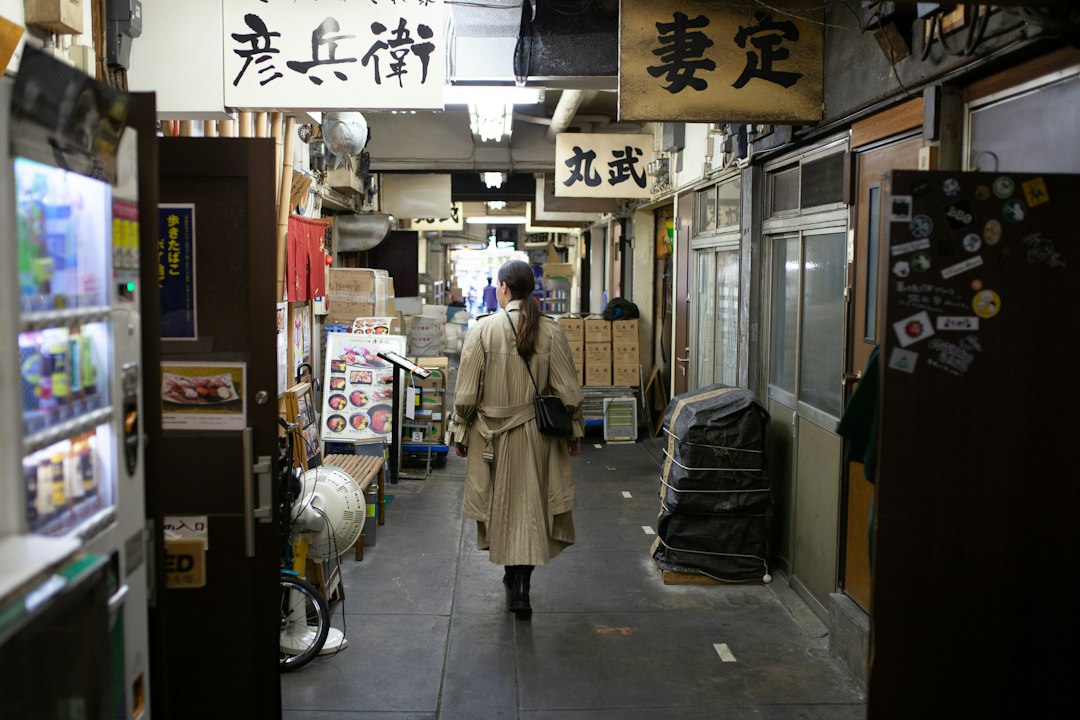
Tokyo contains hundreds of these streets. A shotengai is a style of Japanese commercial district, typically a local market street closed to car traffic, where small specialty shops serve the needs of nearby residents with few large retailers present. The format is older than most people realize. Said to date back to the late 1500s, shotengai began as a spontaneous gathering of retailers who later formed their own associations to regulate operations.
The physical structure varies. Shotengai refer to the main shopping streets in any given neighborhood, often relatively narrow, located near train stations, closed to vehicle traffic, and covered with a roof. The Small and Medium Enterprise Agency describes a shotengai as a shopping area with 30 or more shops and restaurants situated closely together, and most are run by local merchants’ groups.
These streets carry deep community function. In many older neighborhoods, these streets serve as cultural gathering spaces, holding seasonal festivals, processions, and other events throughout the year. At their best, they are neighborhood infrastructure: places where food, memory, errands, and social trust share the same narrow street.
Why shotengai investment is undervalued right now
Most institutional investors focus on central Tokyo wards, large retail complexes, and transit-facing commercial towers. Shotengai sit below that radar. Their rents are lower, their tenant profiles are informal, and their business data is thin. For a disciplined investor, these are features, not problems.

What makes them appealing is their eclectic nature, mom-and-pop shops, and the kind of shopping bargains that independent merchants can offer when they do not have to pay high shopping mall rent. That lower cost structure produces tenant resilience. A small family tofu shop or a neighborhood fishmonger carries minimal overhead and high community loyalty. These businesses do not relocate easily.
Many shotengai have suffered along with the economy since the collapse of the asset-inflated bubble and the global financial crisis of 2008, and Japan’s rapidly aging population has also taken its toll, giving rise to the term “shatter-dori,” or shutter street. However, this vacancy problem is precisely what creates entry opportunity. A storefront in a declining shotengai in Sunamachi Ginza or Togoshi Ginza can be acquired or leased at prices that central Tokyo retail cannot match.
The tourism factor changes the calculation
Japan’s inbound tourism figures have changed the economics of neighborhood retail significantly. In 2024 alone, Japan welcomed over 30 million international tourists, with projections for 2025 exceeding 34 million, and retail is a major beneficiary of tourism, especially in urban centers like Tokyo, Osaka, and Kyoto.
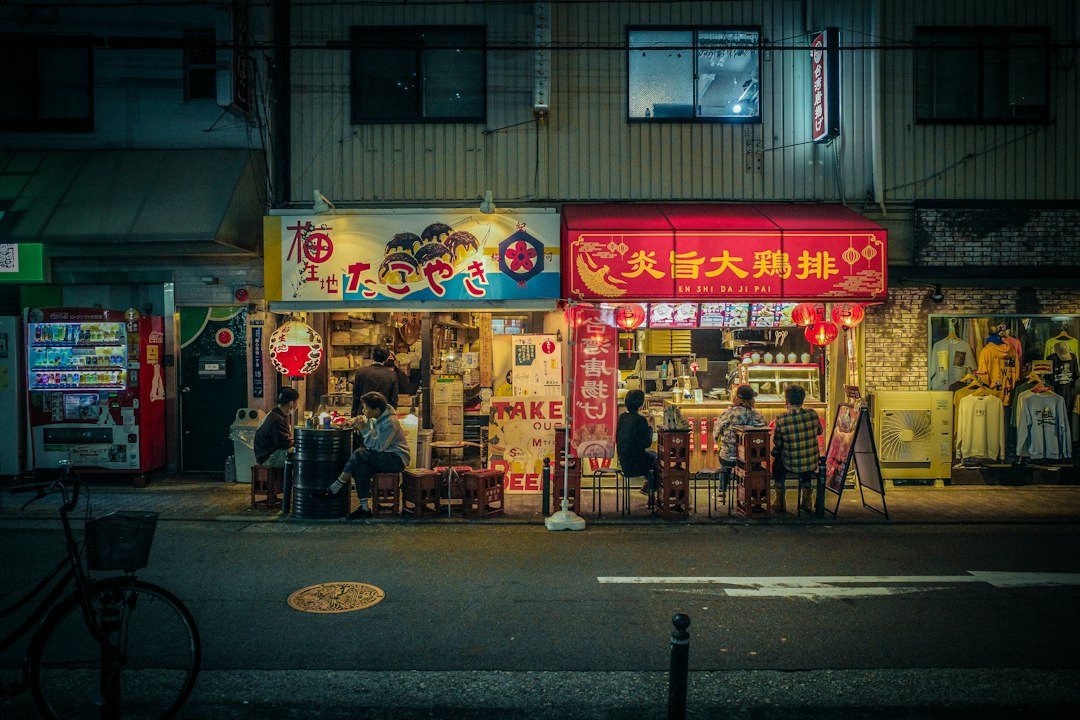
Tourists no longer limit themselves to Shibuya or Shinjuku. Younger international visitors actively search for authentic neighborhood experiences, and shotengai deliver exactly that. A shotengai is where visitors can buy unique items from mom-and-pop stores and get a glimpse of daily life in Tokyo. Shotengai are integral to life in Tokyo, and today they are also a big attraction for tourists.
This creates a dual revenue model for a smart investor. A shotengai storefront can serve local residents on weekdays and capture tourist spending on weekends. That kind of foot traffic mix reduces seasonal risk and strengthens occupancy rates across the full calendar year.




Expert perspective on neighborhood retail investment
Tokyo’s shotengai present a pattern that experienced retail investors recognize from other mature urban markets: assets with strong community ties, consistent repeat footfall, and low capital intensity are consistently underpriced relative to their actual risk profile. The challenge has always been data. Shotengai operate largely outside formal retail reporting systems, so their performance is invisible to most institutional screens. Investors willing to conduct direct neighborhood analysis, speak with merchants’ associations, and assess foot traffic manually will find entry points that no algorithm currently surfaces. The integration of cashless payment systems across these streets is also accelerating, and that will produce the transaction data that institutional investors need to justify allocation. The window for early-stage positioning is open now, and it will not remain open indefinitely as inbound tourism continues to raise the profile of neighborhood retail across Tokyo.
Industry perspective, retail investment and neighborhood commerce professionals in Tokyo
How the digital economy connects to shotengai
The connection between traditional shopping streets and the digital economy is not a contradiction. It is an opportunity. Shotengai merchants who adopt QR code payment systems, list products on domestic e-commerce platforms, and use social media to promote seasonal events gain a second revenue channel without abandoning their physical anchor.
Shotengai is also a term used to refer to the retailers’ association or union to which the shops belong, and the promotion association of the shotengai will organize and host seasonal events to support the local community at times of festivals. These associations are natural partners for digital activation projects. An investor who enters a shotengai with a plan to digitize merchant payments and build a neighborhood loyalty program creates value that goes beyond the physical square meters of a single shop.
Retailers that tailor in-store experiences to international travelers and integrate digital systems are seeing above-average sales growth. Shotengai operators who combine community trust with digital tools occupy a rare position: they offer the authenticity that tourists seek and the operational efficiency that sustains long-term margins.
Conclusion: shotengai investment deserves serious attention
Tokyo’s most overlooked retail opportunity sits not in a tower or a transit mall, but on a covered neighborhood street near a local station. Shotengai investment offers community loyalty, low entry costs, rising tourism demand, and a clear path to digital integration. Investors who act before institutional capital discovers this asset class will hold a significant first-mover position. Shotengai investment is not a nostalgic bet on the past. It is a precise, forward-looking strategy for anyone who understands how Tokyo’s neighborhoods actually function.