CONTACT
  • Login
Upgrade
TOKYOwebzine
Advertisement
  • Home
    • Our Authors
    • Media Kit
    • Contact
    • Cookie Policy
    • Terms and Conditions
  • News
  • Business
  • Lifestyle
    • Beauty
    • Kids
    • Sustainable living
    • Well-being
    • Sports
    • Creativity
  • Culture
  • Gastronomy
  • Travel
  • Global Tokyo
  • Insights
  • Local Guide
    • Activities in Tokyo
    • Hotels in Tokyo
    • Nightlife in Tokyo
    • Restaurants in Tokyo
    • Services in Tokyo
    • Shopping in Tokyo
  • Home
    • Our Authors
    • Media Kit
    • Contact
    • Cookie Policy
    • Terms and Conditions
  • News
  • Business
  • Lifestyle
    • Beauty
    • Kids
    • Sustainable living
    • Well-being
    • Sports
    • Creativity
  • Culture
  • Gastronomy
  • Travel
  • Global Tokyo
  • Insights
  • Local Guide
    • Activities in Tokyo
    • Hotels in Tokyo
    • Nightlife in Tokyo
    • Restaurants in Tokyo
    • Services in Tokyo
    • Shopping in Tokyo
No Result
View All Result
TOKYOwebzine
No Result
View All Result
Home Business

Hanabi festival drives Tokyo sponsorship boom

How Tokyo's oldest fireworks event is reshaping the city's experiential marketing landscape for modern brands.

Spectators in yukata watching the hanabi festival over the Sumida River in Tokyo at night

The hanabi festival on the Sumida River has become more than a summer tradition. In 2026, it is a commercial battleground where brands compete for the attention of nearly 1 million spectators in one of Asia’s most concentrated consumer audiences.

Why the hanabi festival draws such large crowds

The Sumidagawa hanabi festival is Japan’s oldest and most storied pyrotechnic display. Its roots date to 1733, when it was first held during the Edo period to console the spirits of those lost to famine and plague. That historical foundation gives the event a cultural weight that few corporate activations can replicate on their own.
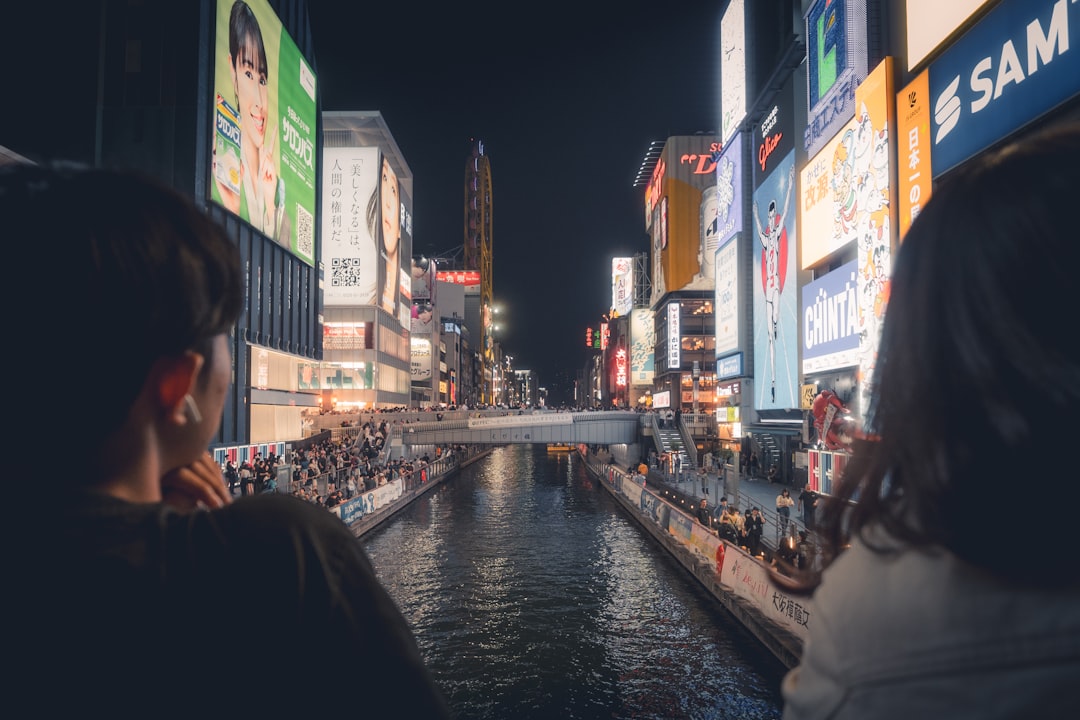
The 49th Sumida River hanabi festival in 2026 will feature approximately 20,000 fireworks. Around 20,000 fireworks are launched from 2 spots on the river. The first is between Sakurabashi Bridge and Kototoi Bridge, commencing at 7 p.m. The second is between Komagata Bridge and Umaya Bridge, starting at 7:30 p.m., after which both sites launch simultaneously.

Over time, what began as a solemn ceremony has grown into one of the most highly anticipated summer events in the country, drawing close to a million visitors each year. For sponsors, that volume of foot traffic in a defined urban corridor represents a density of consumer contact that digital advertising cannot easily match.

How sponsorship structures are changing

The hanabi festival has historically relied on civic and local business support. That model is evolving. Brands now seek reserved viewing zones, branded yakatabune (river boat) experiences, and co-branded food stalls along the closed riverside roads. Tokyo Skytree is offering a special event in conjunction with the 49th Sumida River hanabi festival, limited to 634 people, where guests can enjoy watching the fireworks from above. Premium access of this kind signals that vertical real estate around the festival is now a monetizable asset.

Historically, the event was a legendary competition between 2 rival fireworks guilds, Kagiya and Tamaya. This rivalry is the reason the festival is still launched from 2 separate locations today. Brands are now mapping their activations to these 2 distinct venue areas, each with a different audience profile and foot traffic pattern, to segment their messaging more precisely.

https://noornoor.biz https://noornoor.biz https://noornoor.biz

Revived in its modern form in 1978, the festival is now a premier event in the Tokyo summer calendar, attracting nearly 1 million spectators. The scale and consistency of attendance make multi-year sponsorship agreements commercially rational for both parties.

What experiential marketing data tells us

The commercial logic behind hanabi festival sponsorship fits a global pattern. B2B experiential marketing grew faster than its B2C counterpart in 2025, rising 9.7% to $41.74 billion. Brands across sectors recognize that physical presence at high-emotion events builds recall in ways that screen-based channels do not.

The experiential marketing agency market was valued at $59.23 billion in 2025 and is projected to reach $77.4 billion by 2032. North America holds approximately 40% of global market share, followed by Europe at 30% and Asia-Pacific at 23%. Asia-Pacific’s share is growing, and Japan’s large-format hanabi events are positioned at the center of that regional growth.

Experiential marketing now captures 38% of the marketing services industry share, surpassing digital advertising at 35%. For Tokyo-based brand managers, this shift justifies reallocating budget from performance media to event sponsorship.
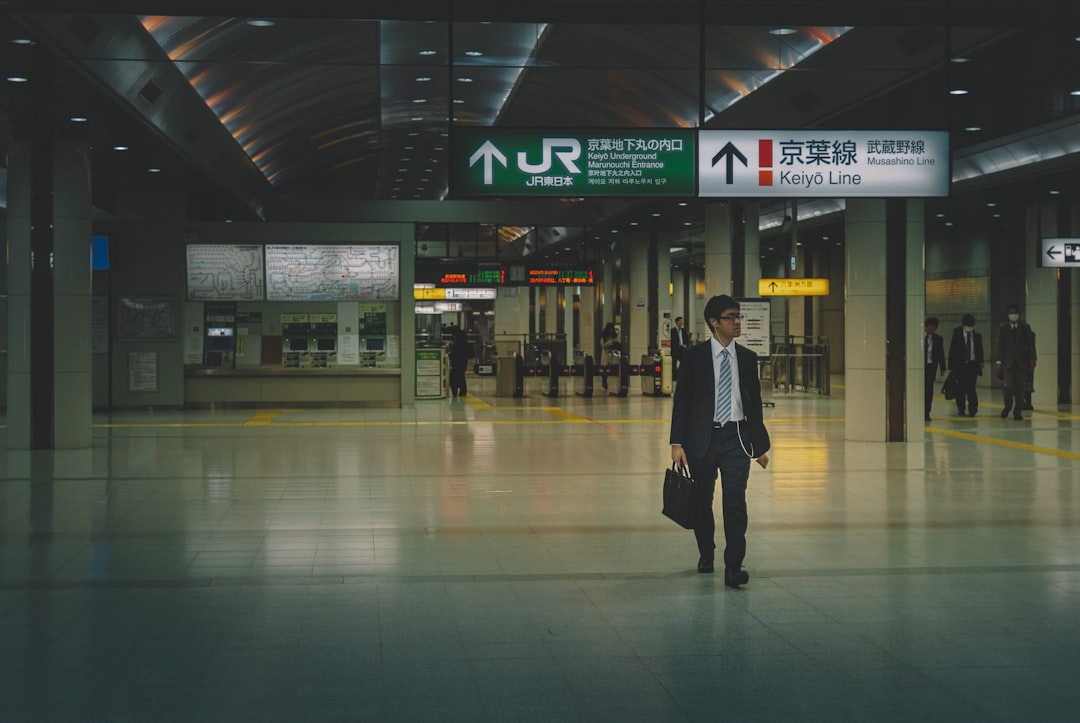
A brand representative at a corporate activation stand during a Tokyo hanabi festival event

Expert perspective on festival sponsorship in Japan

Festivals like the Sumida River hanabi taikai represent a rare alignment of cultural authenticity and mass consumer presence. Corporate sponsors who approach these events with genuine respect for their history tend to generate stronger brand affinity than those who treat the activation as a simple logo placement. The physical experience of standing beside the river, surrounded by people in yukata, creates an emotional state that a brand can attach itself to in a lasting way. Japanese consumers are discerning. They notice when a sponsor adds value to the event rather than extracting value from it. The brands that understand this distinction are the ones building durable equity in this market.

Industry perspective, experiential marketing and brand sponsorship professionals in Japan

How brands can build effective hanabi activations

Effective festival sponsorship in Japan requires patience and cultural fluency. Brands must engage local event committees early, often 9 to 12 months in advance, and align their activation concepts with the event’s civic purpose. A product launch framed purely as entertainment will land differently from a brand presence that contributes to the festive atmosphere.

The surrounding streets close to traffic and fill with vendors selling drinks and food. The festival attracts around 1,000,000 people annually, and many spectators arrive dressed in yukata. This creates a branded environment where sensory design, not just visual advertising, determines the quality of consumer engagement.

-

A foreign entrepreneur and a Tokyo co-founder discuss a business plan at a shared workspace in Shibuya

Tokyo co-founder search for foreign founders

11/08/2026
A foreign founder signing Japan trademark registration documents with a Japanese attorney in a Tokyo office

Japan trademark for foreign founders

19/07/2026
A foreign founder and Japanese business partner reviewing plans in a Tokyo startup office

Tokyo startup ecosystem guide for founders

10/07/2026
A foreign professional secures a co-working desk in a modern Shibuya shared office space

Co-working desk in Shibuya: first steps

13/06/2026

Technology is also entering the activation space. Livestream partnerships, QR-linked content zones, and app-based crowd navigation tools allow brands to extend contact beyond the 90-minute display window. The experiential moment becomes a digital entry point, connecting the physical festival to owned media channels in the days and weeks that follow.
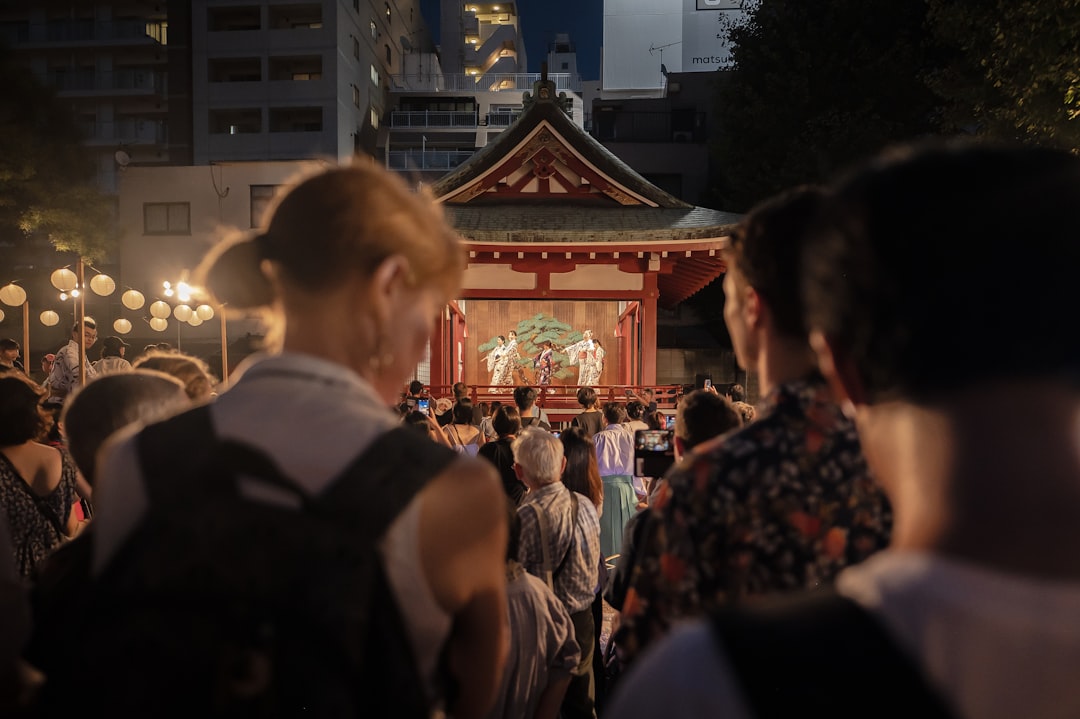
A visitor in traditional dress enjoying the Sumida River hanabi festival among thousands of spectators

The hanabi festival as a business signal for Tokyo

The growth of corporate interest in the hanabi festival reflects a broader maturation of Tokyo’s event economy. Brands no longer treat cultural festivals as charity-adjacent sponsorship. They treat them as strategic media channels with measurable audience value.

This shift benefits the festival itself. Greater commercial investment supports pyrotechnic innovation, crowd safety infrastructure, and digital accessibility for remote audiences. The hanabi festival demonstrates that tradition and commerce can reinforce each other when both sides commit to quality.

For marketers watching Tokyo’s event landscape, the hanabi festival is not simply a summer spectacle. It is a case study in how a 293-year-old civic ritual can anchor a 21st-century brand strategy. The brands that recognize this now will hold a significant advantage as experiential budgets in Asia-Pacific continue to grow.

Discover more about hanabi festival

  • Sumidagawa Fireworks Festival, Japan National Tourism Organization
  • Global Experiential Marketing Grew 8% to $139 Billion in 2025 and Will Surge 10% in 2026, PRWeb Industry Report
  • Sumida River Fireworks Festival 2026 Guide, Metropolis Japan
author avatar
Hiroshi Tanaka
Hiroshi Tanaka studied economics at the University of Tokyo and spent a decade at a leading Japanese investment bank before turning to journalism. He writes about Japan's evolving tech ecosystem, corporate transformation, and Tokyo's role as Asia's premier financial hub. His work bridges traditional Japanese business culture with the digital economy reshaping the country from the inside out.
See Full Bio
Previous Post

Kissa culture revival: Tokyo’s best listening bars

Next Post

Tokyo kilns open for summer sessions

Related Posts

A foreign entrepreneur and a Tokyo co-founder discuss a business plan at a shared workspace in Shibuya
Business

Tokyo co-founder search for foreign founders

11/08/2026
A foreign founder signing Japan trademark registration documents with a Japanese attorney in a Tokyo office
Business

Japan trademark for foreign founders

19/07/2026
A foreign founder and Japanese business partner reviewing plans in a Tokyo startup office
Business

Tokyo startup ecosystem guide for founders

10/07/2026
A foreign professional secures a co-working desk in a modern Shibuya shared office space
Business

Co-working desk in Shibuya: first steps

13/06/2026
Next Post
A woman works with molten glass during workshop

Tokyo kilns open for summer sessions

Leave a Reply Cancel reply

Your email address will not be published. Required fields are marked *

No Result
View All Result

Our Focus

TOKYOwebzine is your international window on Tokyo: lifestyle, business, culture, sports and events for a global audience drawn to the city's unique blend of tradition and innovation.

Our Readers

TOKYOwebzine addresses readers who engage with Tokyo at a high level: professionally, financially, strategically, and as decision-makers in their fields.

Our Approach

Lifestyle, design, and culture are integrated as context and indicators of economic precision, creative depth, and Japan's enduring global influence, not standalone entertainment.

Recent Post

  • Mt Fuji climbing: what hikers must know
  • Gluten-free izakaya: Tokyo guide

© 2026 TOKYOwebzine by NOOR & NOOR — part of WEBZINE.world.

Welcome Back!

Login to your account below

Forgotten Password?

Retrieve your password

Please enter your username or email address to reset your password.

Log In
Manage Consent
To provide the best experiences, we use technologies like cookies to store and/or access device information. Consenting to these technologies will allow us to process data such as browsing behavior or unique IDs on this site. Not consenting or withdrawing consent, may adversely affect certain features and functions.
Functional Always active
The technical storage or access is strictly necessary for the legitimate purpose of enabling the use of a specific service explicitly requested by the subscriber or user, or for the sole purpose of carrying out the transmission of a communication over an electronic communications network.
Preferences
The technical storage or access is necessary for the legitimate purpose of storing preferences that are not requested by the subscriber or user.
Statistics
The technical storage or access that is used exclusively for statistical purposes. The technical storage or access that is used exclusively for anonymous statistical purposes. Without a subpoena, voluntary compliance on the part of your Internet Service Provider, or additional records from a third party, information stored or retrieved for this purpose alone cannot usually be used to identify you.
Marketing
The technical storage or access is required to create user profiles to send advertising, or to track the user on a website or across several websites for similar marketing purposes.
  • Manage options
  • Manage services
  • Manage {vendor_count} vendors
  • Read more about these purposes
View preferences
  • {title}
  • {title}
  • {title}
No Result
View All Result
  • Home
    • Our Authors
    • Media Kit
    • Contact
    • Cookie Policy
    • Terms and Conditions
  • News
  • Business
  • Lifestyle
    • Beauty
    • Kids
    • Sustainable living
    • Well-being
    • Sports
    • Creativity
  • Culture
  • Gastronomy
  • Travel
  • Global Tokyo
  • Insights
  • Local Guide
    • Activities in Tokyo
    • Hotels in Tokyo
    • Nightlife in Tokyo
    • Restaurants in Tokyo
    • Services in Tokyo
    • Shopping in Tokyo

© 2026 TOKYOwebzine by NOOR & NOOR — part of WEBZINE.world.

Are you sure want to unlock this post?
Unlock left : 0
Are you sure want to cancel subscription?
Verified by MonsterInsights
enEnglishja日本語