Underground malls in Tokyo carry the quiet logic of a city that has always built around necessity, and in peak summer, that necessity becomes impossible to ignore.
Why Tokyo summers demand a different kind of city
Tokyo’s summer heat is not ordinary city warmth. The urban heat island effect results in higher average temperatures and a greater number of sweltering summer nights, defined in Japan as nights when the temperature stays above 25 degrees Celsius. Modern transportation, business activity, and air conditioning all increase heat emissions, while asphalt roads and concrete buildings absorb and retain heat rather than reflecting it. The result is a surface city that becomes genuinely difficult to move through between July and September.
In 2024, nearly 8,000 people in Tokyo alone were transported to hospital for heatstroke, most of them elderly. Data for June to September 2024 shows that the most common location for heatstroke incidents was private residences at 38 percent, followed by roads at 19 percent and public outdoor spaces at 13 percent. These numbers confirm what many Tokyo residents already understand: the street is not a safe place to linger in peak summer.
How chikagai became essential infrastructure
The concept of underground shopping in Tokyo dates to the mid-20th century, a period marked by rapid urbanization and economic growth. As the city expanded, the need for efficient use of space became clear, and using underground areas for commercial purposes emerged as a practical solution to the challenges posed by limited land availability. The first underground shopping mall in Tokyo, known as Yaesu Chikagai, opened in 1965 beneath Tokyo Station and set the stage for the development of similar complexes across the city.
Today there are roughly 80 underground cities in Japan, most of them centered beneath railway stations. Among them, vast networks at principal stations in Tokyo, Nagoya, and Osaka attract more than 100,000 visitors each day. Despite rain, humidity, or other weather conditions, these spaces are always climate-controlled with consistent lighting, which creates a reliable environment regardless of what is happening above ground.
These subterranean networks, called chikagai, extend beneath major rail stations such as Tokyo Station, Ikebukuro Station, and Shinjuku Station. One of the key features of Tokyo’s underground malls is their seamless connection to the city’s transportation infrastructure. Many are directly linked to train and subway stations, allowing easy movement and reducing the need for surface travel. This integration improves shopping convenience and contributes to the overall efficiency of Tokyo’s public transport system.

Underground malls as a complete daily environment
The chikagai is not simply a place to buy things. With about 180 shops including restaurants, fashion boutiques, general stores, nail salons, drugstores, and even osteopathic clinics, the Yaesu Chikagai at Tokyo Station is a major underground complex. In the Tokyo Station area alone, Yaesu Shopping Mall, First Avenue Tokyo Station, and Gransta are all connected, making it possible to walk and shop for hours without encountering the outdoor elements.
Shinjuku offers an equally complete picture. Shinjuku Subnade is an underground mall beneath Yasukuni Street, connecting to Kabukicho from Shinjuku Station’s East Exit. Since its opening in 1973, this underground mall has served visitors for over 50 years. The mall underwent major renovations in 2023, introducing new features including the Sundeck Plaza with natural sunlight-style illumination and green ceiling designs. These updates reflect a deliberate effort to make underground retail feel like a complete and comfortable environment, not simply a functional shelter.
Beyond shopping and dining, Tokyo’s underground malls offer entertainment and cultural experiences. Many complexes feature cinemas, theaters, and live performance venues, giving visitors of all ages a wide range of options. Beneath many large department stores, depachika are vibrant underground food markets unlike almost anywhere else in the world. The name combines depato, the Japanese term for a department store, and chika, meaning basement. They form a network of food offerings that covers an enormous range of options.
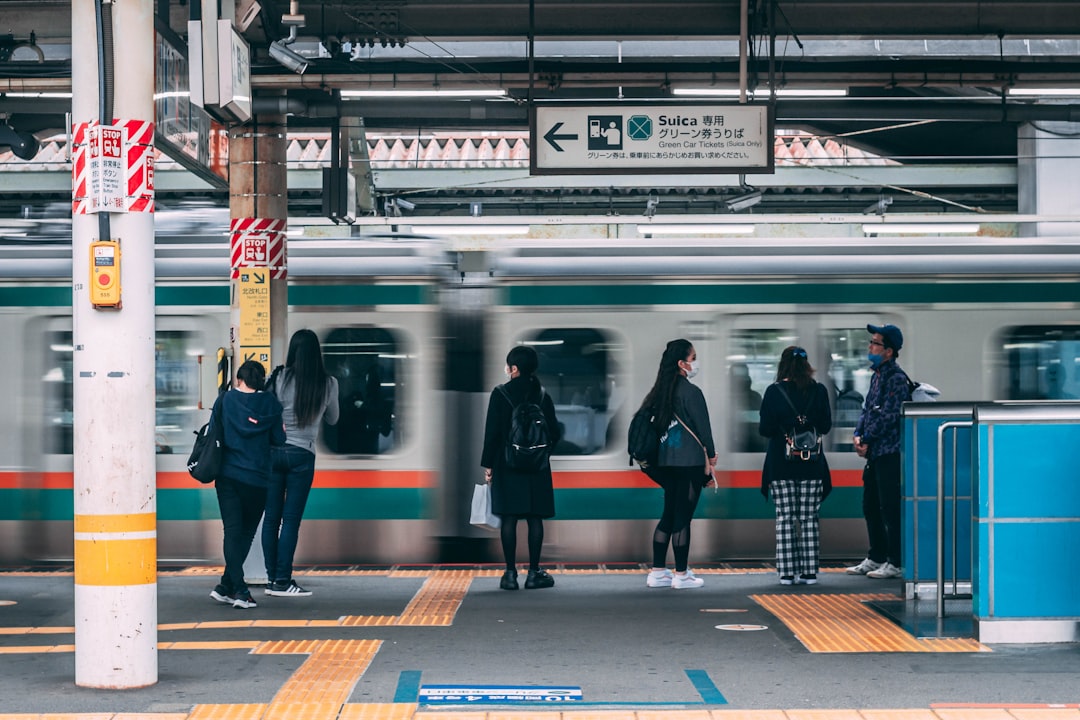
Expert perspective on urban design and liveable space
Tokyo’s underground commercial networks represent something more significant than a retail strategy. They are a form of passive urban planning that emerged organically from the pressures of density, climate, and the logic of transit-centered city life. In summer, the chikagai absorbs and redistributes the energy of the city. Commuters do not simply pass through; they pause, eat, shop, and connect with others before returning to the surface. This creates a second layer of civic life that functions independently of weather and, in doing so, makes Tokyo genuinely more liveable than many cities with warmer temperatures but less deliberate infrastructure. The integration of transport, retail, food, and services in a single climate-controlled environment reflects a long-term understanding that convenience and comfort are not luxuries; they are conditions for a functioning urban economy.
Industry perspective, urban planning and liveable city professionals in Tokyo
Underground malls and the commuter economy
Shinjuku is also where many large Japanese companies have their offices, and many of Subnade’s clothing stores are oriented toward women who work in the neighborhood. This proximity to office districts is not accidental. The chikagai model was built around commuter behavior, and it continues to serve that purpose with precision.
Major cities are not just built from the ground up but also go several levels down with shopping and entertainment complexes that connect the city while avoiding the elements. Underground shopping malls exist in most large Japanese cities, serving primarily commuters and weekend visitors. The business logic is consistent: a person moving between home, train, and office has limited time and reduced tolerance for heat. The underground mall removes friction from that movement.
On hot summer days, it is recommended to enter chikagai first, complete some shopping or take a break, and then move to the next destination. This behavioral pattern, widely practiced by Tokyo residents, represents a kind of informal urban navigation strategy. It is passed between colleagues, families, and neighbors as practical knowledge, embedded in the daily rhythm of the city.



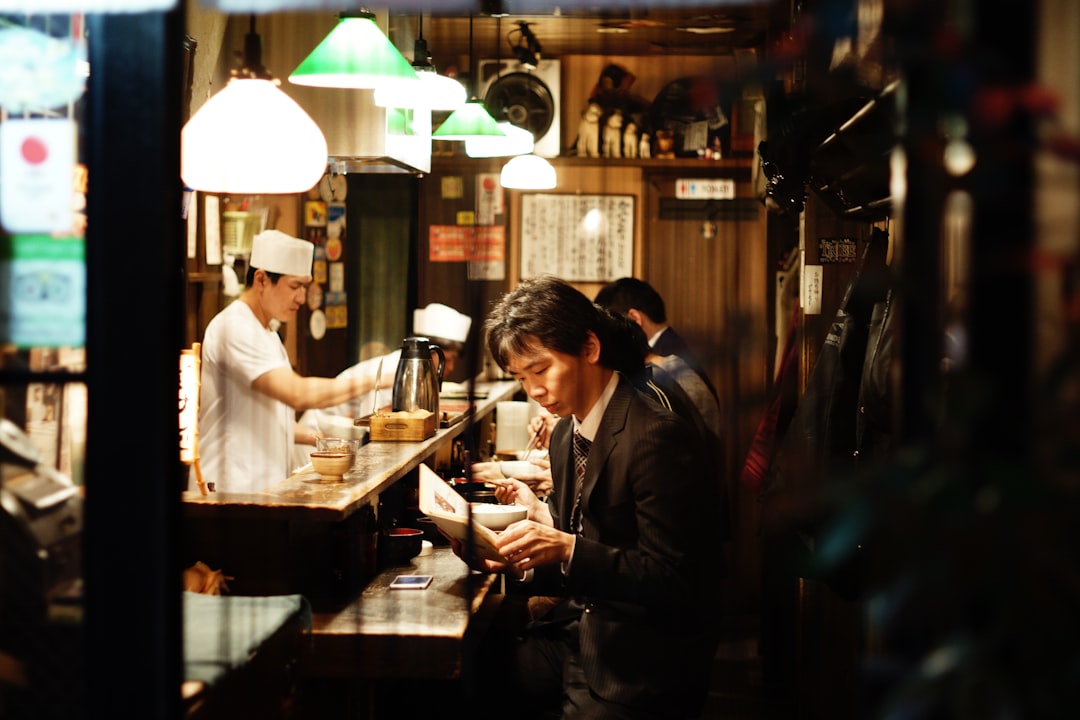
Underground malls define what liveable means in Tokyo
Underground malls are not a convenience in Tokyo. They are a core urban system that makes the city function across 3 demanding summer months. Over the past 100 years, Tokyo’s average temperature has increased by about 3 degrees Celsius, a rise partly explained by the urban heat island effect. As those conditions intensify, the value of the chikagai network grows in direct proportion.
For residents, business travelers, and urban planners, the lesson from Tokyo’s underground malls is direct: liveable cities build infrastructure for the conditions people actually face, not only the conditions they hope for. The underground mall does not compete with the city above. It completes it. Explore Tokyo’s chikagai network on your next visit, and observe what a city looks like when it builds honestly around human need.
Discover more about underground malls
- Japan Ministry of the Environment: Policy Framework to Reduce Urban Heat Island Effects
- University of Tokyo BiblioPlaza: Research on Japan’s Underground Cities (Shirarezaru Chikagai)
- World Economic Forum: Lessons from Japan for Tackling Extreme Heat in Living Spaces (2025)