Kagurazaka ryokan operators hold a quiet discipline that most hospitality sectors admire but rarely replicate: the ability to absorb extreme seasonal pressure and still deliver service that feels effortless to the guest.
August in Kagurazaka: 2 forces arrive together
August marks the end of the rainy season in Japan and brings hot, humid conditions. Temperatures regularly reach between 26 and 36 degrees Celsius across the country. In central Tokyo, the heat index inside narrow stone-paved alleys can feel considerably higher. Kagurazaka sits in Shinjuku Ward, and its traditional architecture, though beautiful, was not designed for this level of sustained warmth.
The Obon week in mid-August is 1 of Japan’s 3 major holiday seasons, alongside New Year and Golden Week, and it brings intensive domestic and international travel activity as well as increased accommodation rates. For a Kagurazaka ryokan with limited rooms and a deeply relational service model, these 2 pressures arrive at the same time every year. Operators who manage both well earn a reputation that no marketing budget can buy.
What omotenashi means under pressure
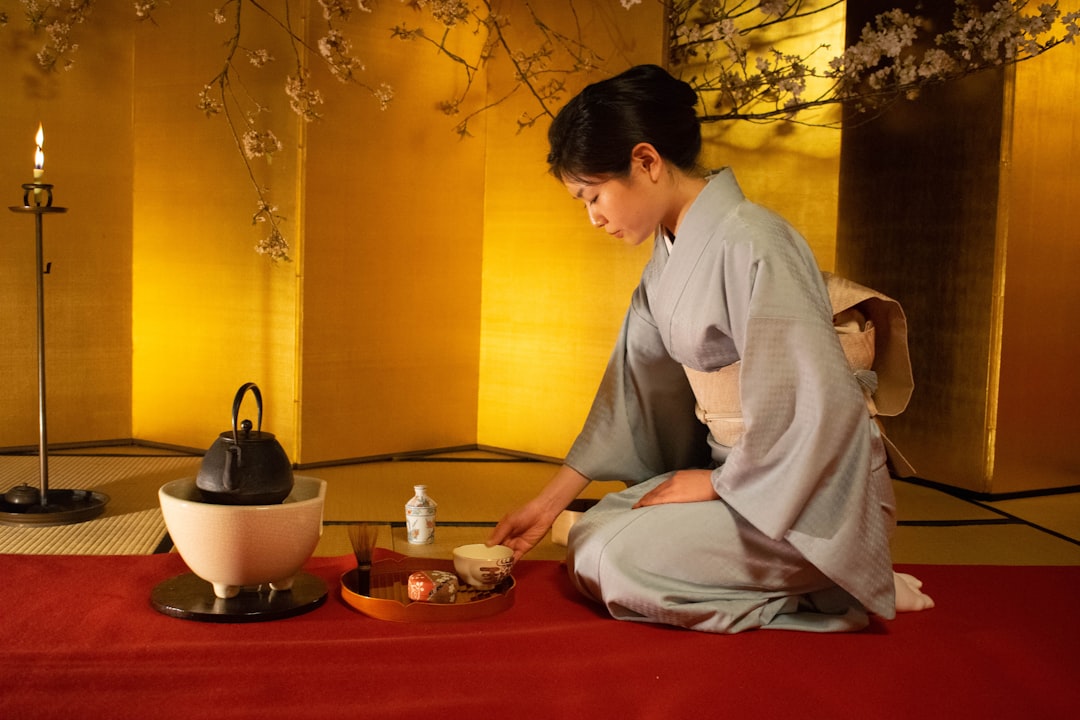
In Japan, there is a deep-rooted culture called omotenashi, which comes from the tea ceremony tradition and means to wholeheartedly look after guests. The term represents a Japanese mindset of hospitality centered on care rather than expectation. This principle does not pause for August. It intensifies.
Japan’s omotenashi is at the cornerstone of the ryokan experience. Ryokan are said to date back to the 8th century, and these accommodations are deeply imbued with Japanese tradition. In Kagurazaka, where the geisha tradition shaped the neighborhood’s culture of discretion and precision, that heritage gives operators a practical framework. Staff learn to read guest discomfort before it is expressed and to adjust the environment proactively.
In the late afternoon, shopkeepers in Kagurazaka sprinkle water on the hot pavement in a practice called uchimizu. This simple act is a shared ritual of hospitality that provides an immediate sense of relief from the heat. Ryokan staff extend this logic into every interaction: cool towels on arrival, chilled mugicha barley tea in rooms, and scheduled guidance away from peak outdoor heat hours.

How Kagurazaka ryokan manage Obon demand
Obon is 1 of the busiest travel periods of the year in Japan, with large volumes of domestic and international travel occurring at the same time. For a small ryokan in Kagurazaka, this creates a specific operational challenge. Demand rises sharply, but the property cannot expand its room count overnight.
Prices run noticeably higher than normal August rates during Obon, and business hotels in city centers often have better availability than tourist-oriented lodging and ryokan. This means that guests who do secure a Kagurazaka ryokan booking during Obon arrive with high expectations. They have paid a premium and planned months ahead. The margin for service error is very small.
Experienced operators respond with stricter reservation protocols, earlier check-in coordination, and a more structured approach to room preparation. Common elements of the ryokan experience include tatami flooring, futon bedding, private baths, yukata robes, kaiseki multi-course dinners, and a traditional Japanese breakfast. Each of these elements requires additional preparation time in the heat, and skilled operators build that time into their daily schedule rather than leaving it to chance.
Expert perspective on seasonal hospitality
The challenge of August is not the heat or the Obon crowds individually. It is the combination of the 2. Guests arrive tired from travel, already warm, and emotionally affected by the spiritual weight of the season. Omotenashi in this context means creating an environment of calm the moment the guest steps through the door. That requires rigorous preparation before arrival: the room temperature controlled to a precise degree, the welcome tea already cold, the yukata folded exactly as the guest prefers based on their prior visit record. The ryokans that retain loyal guests through August are the ones that treat the season not as a problem to manage but as an opportunity to demonstrate that their standard of care does not decline under pressure. This is where the traditional inn model shows its deepest strength over modern hotel formats.
Industry perspective, traditional hospitality and ryokan operations professionals in Tokyo
The role of digital tools in a traditional format
Modern Kagurazaka ryokan operators increasingly use digital reservation systems and guest profile databases to support their human service teams. Japan welcomed a record 42.68 million international visitors in 2025, the highest annual total in the country’s history, demonstrating robust demand even as summer temperatures continue to climb. This volume of inbound travel means that guest records now contain more languages, more dietary requirements, and more diverse expectations than at any previous point.
Operators who use data well do not replace the human judgment at the center of omotenashi. They support it. A staff member who knows from a digital record that a guest has a heat sensitivity can act on that knowledge without asking the guest to repeat it. This is the digital economy serving traditional culture, not replacing it.
The growing intersection between climate change and tourism is no longer viewed as a seasonal challenge but as a structural transformation that will influence destination marketing, infrastructure investment, and travel planning over the coming decade. For Kagurazaka ryokan operators, this means that August adaptations developed today will become permanent features of their service model.



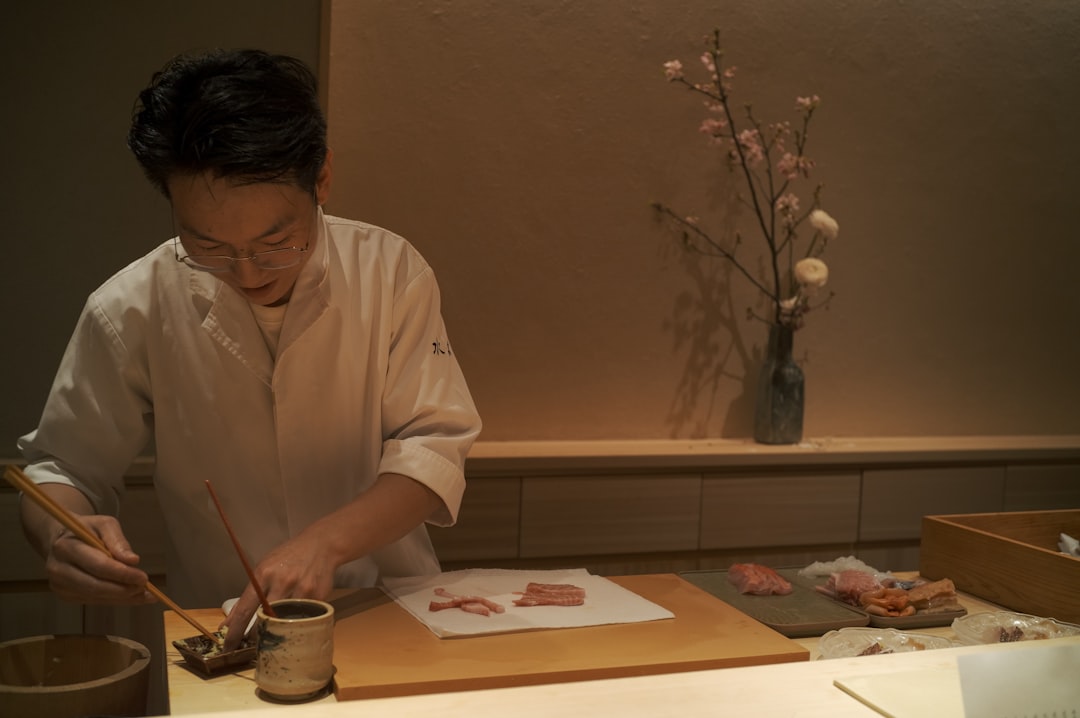
Kagurazaka ryokan as a model for the sector
According to Japanese Buddhism, Obon in August is the time of year when the dead visit the living. Bon Odori dances were traditionally held to welcome deceased ancestors. This cultural seriousness gives August in Kagurazaka a weight that purely commercial hospitality cannot fully address. A ryokan that understands the spiritual dimension of the season connects with guests at a level that a standard hotel cannot reach.
The Kagurazaka ryokan model demonstrates that hospitality built on genuine cultural knowledge scales well under pressure. The district’s operators treat August not as the hardest month but as the clearest proof of their standards. Every Kagurazaka ryokan that delivers calm, attentive, and culturally grounded service through the heat and the Obon crowds earns the kind of trust that drives return visits and long-term reputation. Readers who are evaluating hospitality investment or study in Tokyo will find this district a useful and instructive case. The Kagurazaka ryokan sector does not just survive August. It defines itself by it.
Discover more about Kagurazaka ryokan
- Japanese Ryokan Guide, Japan National Tourism Organization
- Japan Tourism Agency, Official Policies and Tourism Research
- Obon 2026: Dates, Crowds, and What to Book First, Roam Japan