
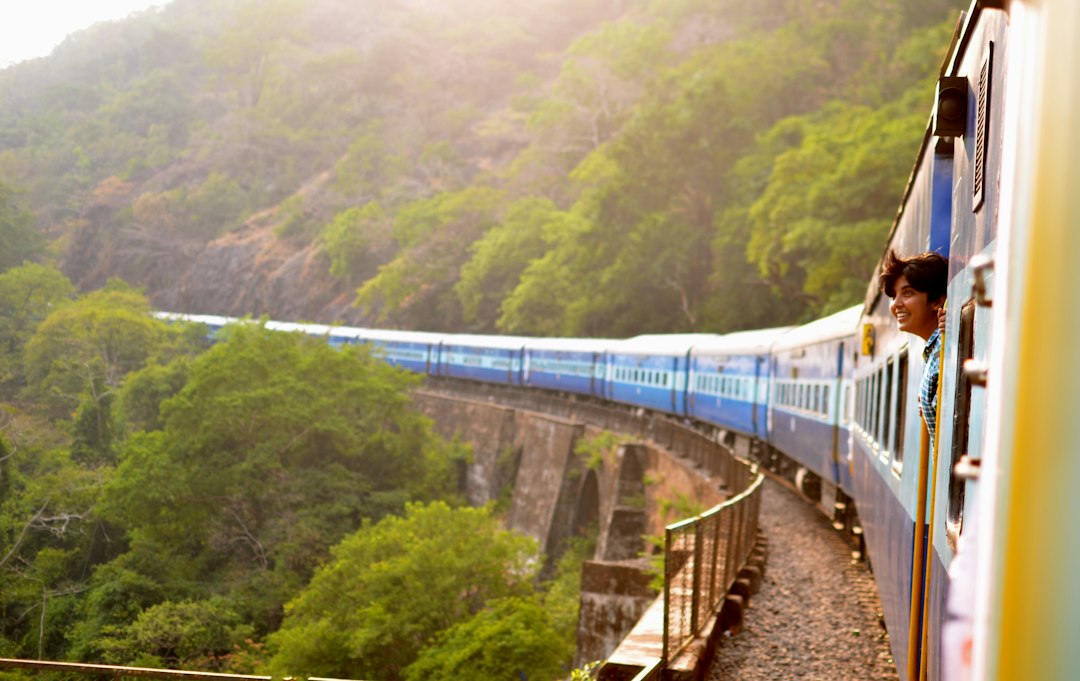
Hakone sits less than two hours from Shinjuku, yet the day hides three separate booking clocks. The transport pass can wait until the morning you travel. The Romancecar seat cannot, and the ropeway runs its own weather and volcanic gas checks that no booking window controls. This timeline sets out what to lock in early, what to leave until the day itself, and where the loop around Owakudani and Lake Ashi can still change without warning.
What a Hakone trip from Tokyo actually involves
A standard day starts at Shinjuku Station, runs the Odakyu line out to Odawara or Hakone-Yumoto, then threads a loop of mountain railway, cable car, ropeway, and lake cruise before doubling back. The operating company sells a two-day pass offering unlimited travel on the Hakone Tozan Line, Hakone Tozan Cable Car, Hakone Ropeway, Hakone Sightseeing Cruise, Hakone Tozan Bus, along with other bus routes. That single pass is the backbone of the day, but it is not the only reservation involved.
Three decisions carry different deadlines. The Free Pass itself needs no advance booking at all. The Romancecar express seat does, and the ropeway's operating status changes with the weather and the mountain, so that one gets checked the morning you go.
Buy the Hakone Free Pass without rushing
In 2026, the Hakone Free Pass from Shinjuku costs 7,100 yen for adults for the 2-day pass and 7,500 yen for the 3-day pass; from Odawara it is 6,000 yen for the 2-day pass and 6,400 yen for the 3-day pass, prices set after the October 1, 2025 fare revision. The pass covers far more than the train ride out. It includes unlimited rides on 8 transport types in Hakone: Hakone Tozan Railway, Hakone Tozan Cable Car, Hakone Ropeway, Lake Ashi pirate ships, Hakone Tozan Bus, Odakyu Hakone Highway Bus, Numazu Tozan Tokai Bus, and the Odakyu line round trip from Shinjuku or Odawara. Buy it at the Odakyu ticket windows at Shinjuku Station, the Odakyu entrance, not the JR entrance, or online in advance if you prefer a fixed plan.
Travelers already holding a Japan Rail Pass have a cheaper route in. You can use the JR Pass to reach Odawara by shinkansen, then buy the cheaper Odawara-departure Hakone Free Pass at 6,000 yen, a great combo if you already have a JR Pass. Either way, the pass itself has no sell-out risk, so it belongs at the bottom of your worry list.
Reserve Romancecar seats exactly one month ahead
The Romancecar is the comfortable limited express that replaces the standard Odakyu train, and it runs on its own separate clock. The Free Pass does not include the surcharge for this limited express: 1,200 yen one way from Shinjuku to Hakone-Yumoto, 600 yen for children, or 1,000 yen to Odawara. Reservations open from 10:00 AM Japan time on the day one month prior to the date of boarding.
If you want the panoramic front seats on the GSE model, treat that 10:00 AM moment seriously. Make reservations one month in advance; reservations can be made as early as 10:00 a.m., and if you aim for this exact time, it becomes easier to secure a Romancecar observation seat. Regular reserved seats are more forgiving. For standard seats, booking one to two weeks ahead is usually sufficient on weekdays.
If your Romancecar departs early to beat the Owakudani crowds, staying close to the station the night before removes one variable from the morning. Browse options through hotels near Shinjuku Station so a five-minute walk replaces a cross-town commute before a 7 or 8 a.m. train.
Build the loop around Owakudani and Lake Ashi
Most visitors ride the loop in one direction. The standard order runs from Hakone-Yumoto to Gora on the Hakone Tozan mountain railway, Gora to Sounzan on the Hakone Tozan Cable Car, Sounzan to Owakudani on the Hakone Ropeway, Owakudani to Togendai on the ropeway, Togendai to Hakone-machi or Moto-Hakone on the Lake Ashi sightseeing cruise, and finally back to Hakone-Yumoto by bus. This clockwise route is the one almost every itinerary assumes.
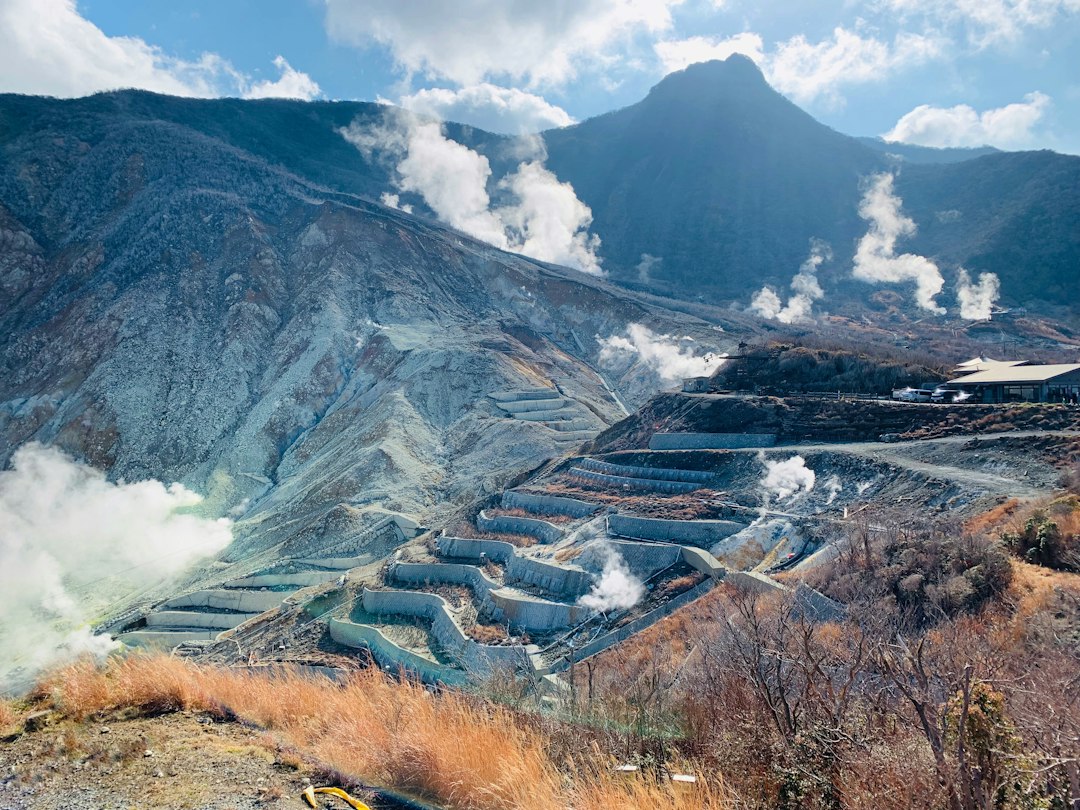
Owakudani itself sits inside an active volcanic zone, and the status does change year to year. Per the Japan Meteorological Agency and Hakone Town, the Hakone volcano alert in 2026 sits at Level 1, normal, so Owakudani and the Hakone Ropeway are operating and accessible, and the black eggs, kuro-tamago, are still sold. That alert level is not the only trigger for a closure, though. The ropeway suspends when sulfur dioxide reaches 5.0 ppm, measured at multiple points, regardless of the alert level being 1. Check the live status the morning you travel rather than trusting a reading from last week.
Winter adds a second, predictable layer of disruption. In winter 2026-27 the Hakone Ropeway is shut in two stretches: Owakudani to Sounzan from 7 to 24 December 2026, and Togendai to Ubako to Owakudani from 12 January to 26 February 2027, with replacement buses on both. If your day falls inside either window, plan the loop in reverse or build in extra time for the substitute bus queue.
Plan lunch, an onsen stop, or an overnight stay
A pure day trip leaves little slack for a proper onsen soak, so many visitors use the Free Pass's bus network to add a side stop instead. With the Hakone Free Pass from Shinjuku, you can ride the Odakyu Highway Bus between Shinjuku and Gotemba at a discount, from the regular 2,000 yen one way down to 1,400 yen. That makes a Gotemba outlet stop or a Fuji view detour an easy add-on rather than a separate ticket purchase.
If you decide the day works better as an overnight, book the ryokan separately from everything above. Hakone's small inns in Gora and Miyanoshita fill fastest on weekends and during autumn foliage weeks, so that reservation deserves its own early slot on the calendar, well before you touch the Romancecar booking window.
What to book first, and what can wait
Start with the Romancecar if you want observation seats: that single 10:00 AM window, one month out, is the only hard deadline in the entire trip. Book an overnight ryokan next if your plan includes one, since good rooms disappear weeks ahead of busy weekends. The Hakone Free Pass can wait until the day you travel, bought at the Shinjuku ticket window on your way through the gate. Leave the ropeway and Owakudani status for last of all, and check it the same morning, since wind, gas readings, and scheduled maintenance can all change the loop with no notice.