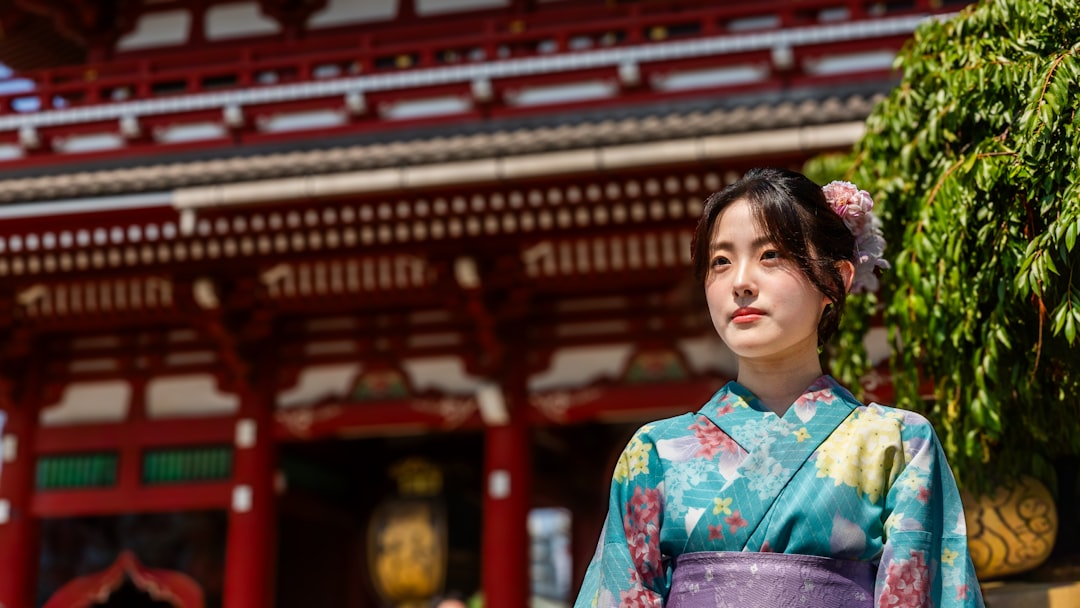
Tokyo ryokan stays are among the most honest ways to understand this city, and Obon season makes every tradition feel sharper, quieter, and more worth showing up for.
What Obon season actually means for guests
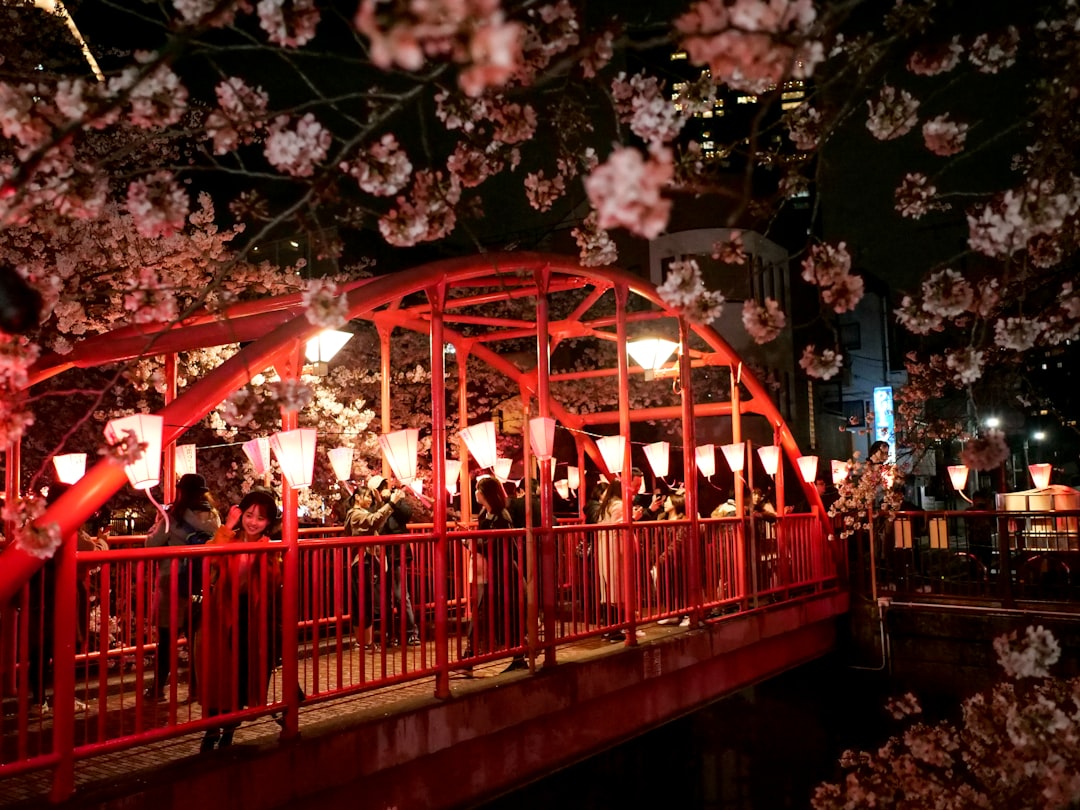
Toro nagashi is a tradition in which lanterns illuminated with candles are set afloat on rivers to guide the spirits of ancestors back to the other side during the Obon holiday. It is one of the most visually striking evenings of the Tokyo calendar. Although it involves thinking of ancestors who have passed away, toro nagashi is a joyous occasion and a time for celebration rather than mourning.
Obon 2026 runs August 13 to 16 for most of Japan, with Tokyo and parts of northern Japan celebrating July 13 to 16. This matters if you want to align your Tokyo ryokan stay with local lantern ceremonies rather than the national peak. Tokyo’s Obon is a quieter affair than regional festivals, but dozens of neighbourhood Bon Odori events take place throughout August, with Sumida Park, Hamarikyu Gardens, Yoyogi Park, and temple grounds across Shitamachi hosting evening events.
Why you need to book a Tokyo ryokan now
Competition for reservations at popular ryokan among domestic and international travelers has become intense. Highly rated properties in famous destinations tend to become fully booked earlier than before, making planned reservations more important than ever.
During peak times, prices can be 1.5 to 2 times higher than usual. That is not a reason to avoid Obon. It is a reason to act. Because everyone leaves central Tokyo during Obon, the city becomes unusually quiet and pleasant. Restaurants that normally require a month of planning suddenly have space. It is one of the best weeks of the year to be in the city.
What a Tokyo ryokan kaiseki dinner includes
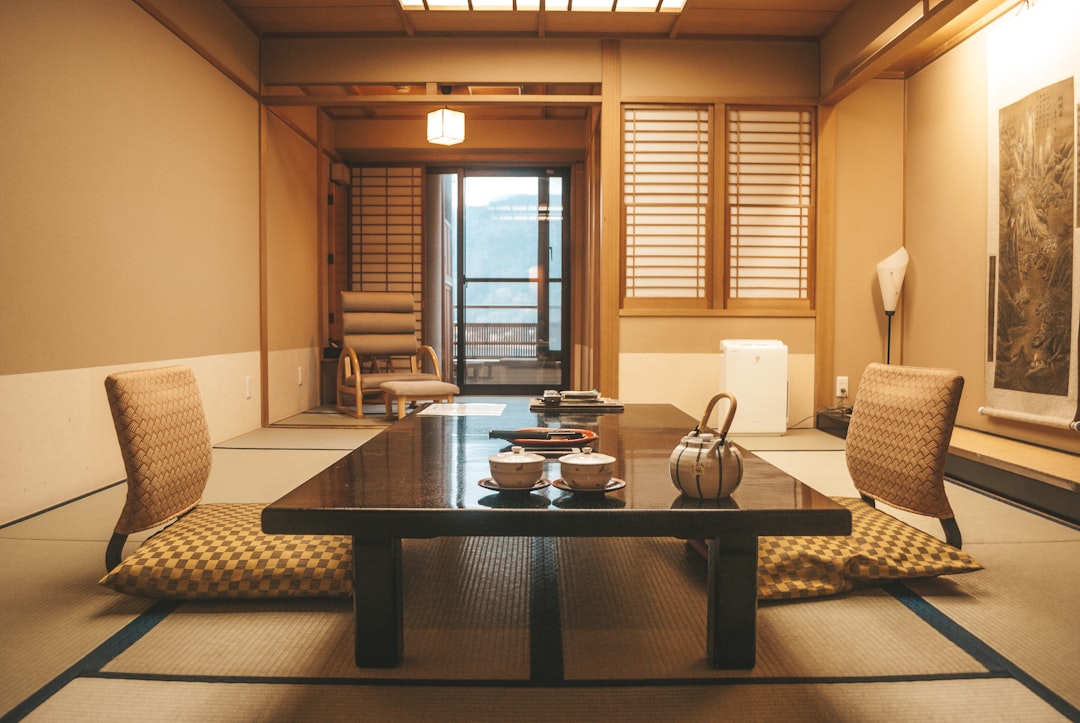
A ryokan stay typically includes a kaiseki ryori (formal, multi-course) dinner and a traditional Japanese breakfast the next morning. Your meticulously presented meals are cooked using local, seasonal ingredients and, depending on the ryokan, served in either a communal eating hall or in your room.

Summer kaiseki is built around the season’s river and mountain produce. During Obon, many Tokyo ryokan add a seasonal element to the menu: dishes that reflect both the abundance of summer and the reflective spirit of the holiday. Common elements of an authentic ryokan stay include tatami flooring, futon bedding, private baths, yukata robes, sumptuous in-house kaiseki multi-course dinners, and a traditional Japanese breakfast.
Expert perspective on Tokyo ryokan and Obon
Obon season is when the gap between guest and place collapses. A well-run Tokyo ryokan does not simply offer a room: it offers a frame for the season. The kaiseki dinner slows time in exactly the right way. Each course arrives at a pace that matches the contemplative mood of the holiday. Guests who stay for lantern events often say the evening feels like a private ceremony even in a city of 14 million people. The combination of a quiet tatami room, a dedicated nakai-san, and a walk to the riverside for toro nagashi is something no other type of accommodation in Tokyo can replicate. Property teams that align their seasonal menus and excursion planning with Obon dates give guests a coherent experience from arrival to farewell.
Industry perspective, traditional hospitality and ryokan accommodation professionals in Tokyo
6 Tokyo ryokan and boutique hotels to consider for Obon
Here are 6 properties that pair Obon-season kaiseki dinners with lantern-floating access. Each offers a different character, so choose the one that fits your style.
1. Hoshinoya Tokyo (Otemachi). This urban tower ryokan brings tatami rooms and kaiseki dining to the center of the business district. Its Obon seasonal plans pair summer kaiseki menus with guided access to nearby lantern events. Book the kaiseki plan well in advance.
2. Ryokan Sawanoya (Yanaka). Yanaka is one of the few Tokyo neighborhoods that still feels like Showa-era Japan. Sawanoya is a small, family-run property with honest prices and easy access to temple events during Obon. Simple kaiseki-style dinners are available on request.
3. Trunk Hotel (Shibuya). Trunk Hotel is chic, sophisticated, modern, and quintessentially Japanese, setting a benchmark for the perfect Japanese boutique hotel. Its Obon-season dinner plans draw on local producers and pair well with the Yoyogi Park Bon Odori events nearby.
4. The Strings by InterContinental Tokyo (Shinagawa). This property offers a modern take on the ryokan idea, with summer kaiseki courses available in its Japanese restaurant. Shinagawa sits on the Sumida River route and provides good access to Asakusa lantern events by taxi.
5. Asakusa View Hotel (Asakusa). 2,500 lanterns with handwritten messages are released into the waters on the east side of the Sumida River between Azuma-bashi bridge and Kototoi-bashi bridge during the Asakusa toro nagashi. This hotel places you within walking distance of that ceremony. Its Japanese restaurant offers kaiseki-style Obon menus each August.
6. Hotel New Otani Tokyo (Chiyoda). Hotel New Otani Tokyo offers a lantern and boat ride accommodation plan (from ¥88,000), which guarantees a spot on the enchanting lantern boat ride and includes transportation to and from the venue. This is the most structured Obon lantern package in the city and the fastest to sell out.





Book your Tokyo ryokan before Obon fills up
A Tokyo ryokan during Obon season gives you something most summer travel does not: a clear reason to slow down. For Obon week itself, book 6 months ahead. For early or late August outside Obon, 3 to 4 months is the target window. The 6 properties in this list each offer something different, but they share one thing: they connect a kaiseki dinner to a lantern on the water in a way that stays with you. A Tokyo ryokan is the right base for that. Book now, before the good rooms are gone.

Discover more about Tokyo ryokan
- Japanese Ryokan Guide, Japan National Tourism Organization
- A Guide to Booking Japanese Ryokan: Pricing and Recommended Methods by Season, Japan Travel by NAVITIME
- Obon 2026 in Japan: What Closes, What Sells Out, Should You Go?, BluePlanet