Where do you actually start if you want reusable packaging instead of another plastic tub every week in Tokyo? The city sells convenience everywhere, yet a growing number of shops now let you buy food, drinks and household goods in containers that come back to the counter instead of the bin. Some ask you to bring a jar. Others lend you a container and track it on your phone. This guide walks through the real options, store by store, so you know exactly where to go and what each system asks of you.
Why Tokyo shoppers are turning to reusable packaging
Tokyo generates plastic waste at a startling pace. The amount of plastic each individual in Japan produces is ranked second largest in the world, with the country discarding a total of 9,150,000 tons of plastic waste annually. Much of that waste never gets a second life, since the whole point of reusable packaging systems is to replace single-use material with durable packaging that is collected, cleaned, refilled and reused, sometimes more than 100 times, built specifically because so much plastic in Japan gets burned rather than recycled.
The response has moved beyond awareness campaigns into retail shelves. Loop, the retail supplier that offers recyclable, reusable packaging, has partnered with one of the largest supermarket chains in Japan, and a total of 19 stores and outlets from the retail giant Aeon now carry a range of products in Loop packaging. The participating stores sit mostly in or near metropolitan Tokyo, which is home to more than 37 million people, so the pilot touches one of the densest shopping populations on earth.
Bulk and bring-your-own-container shops
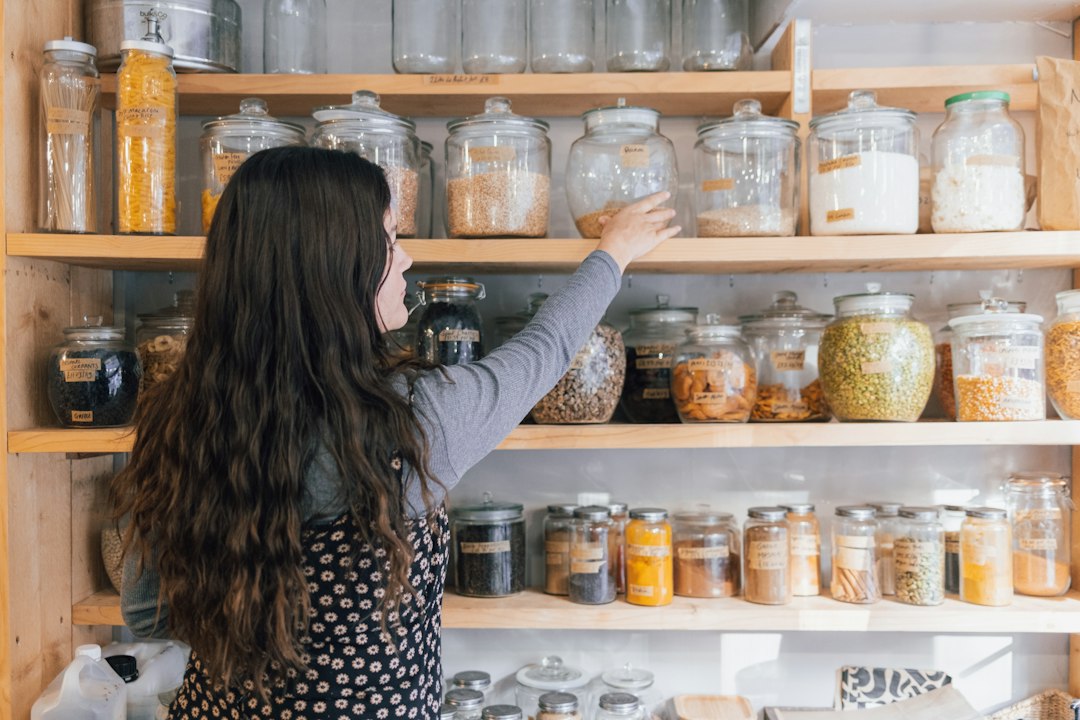
Several independent shops across the city sell food, drinks and household items by weight, cutting packaging out at the source. Nue by Totoya in Kokubunji sells a range of fair-trade, organic and zero-waste products, including nuts, dried fruits, pasta, grains, dry lentils, chickpeas, cookies, chocolate, tea and herbs, and lets customers buy a jar there if they do not bring their own. The group's flagship approach to selling by weight has been refined further: beyond reusable bags and silicon containers, it lends jars and a stainless steel lunch box under a deposit system, with the weight of each container registered in a digital scale so staff can deduct it automatically from the total.
Further out in the suburbs, Liten Refill Shop sits near Higashi-Koganei Station on the JR Chuo Line and carries food, household goods and general items as a zero-waste specialty shop. Closer to the centre, NIGHT OWL in Ebisu runs as a specialty liquor shop focused on draft-style bulk sales with a reusable container system, where reusable bottles are encouraged. For a bigger weekly shop, Bio C'Bon, a French organic supermarket that has operated in Japan since 2016, now runs more than 20 stores across Tokyo and Kanagawa and sells many staples loose.
Store schemes that lend you the packaging
Buying package-free is only half the picture. A second model lends you durable packaging for a deposit, then collects and reuses it. The Loop service charges shoppers a fee that allows them to use and reuse a range of returnable containers; empty containers are collected by Loop, then washed and used again. Shoppers first purchase Loop products in a reusable package, priced slightly higher than the standard version, and after finishing the product they drop the used container into the Loop return box at any Aeon store.
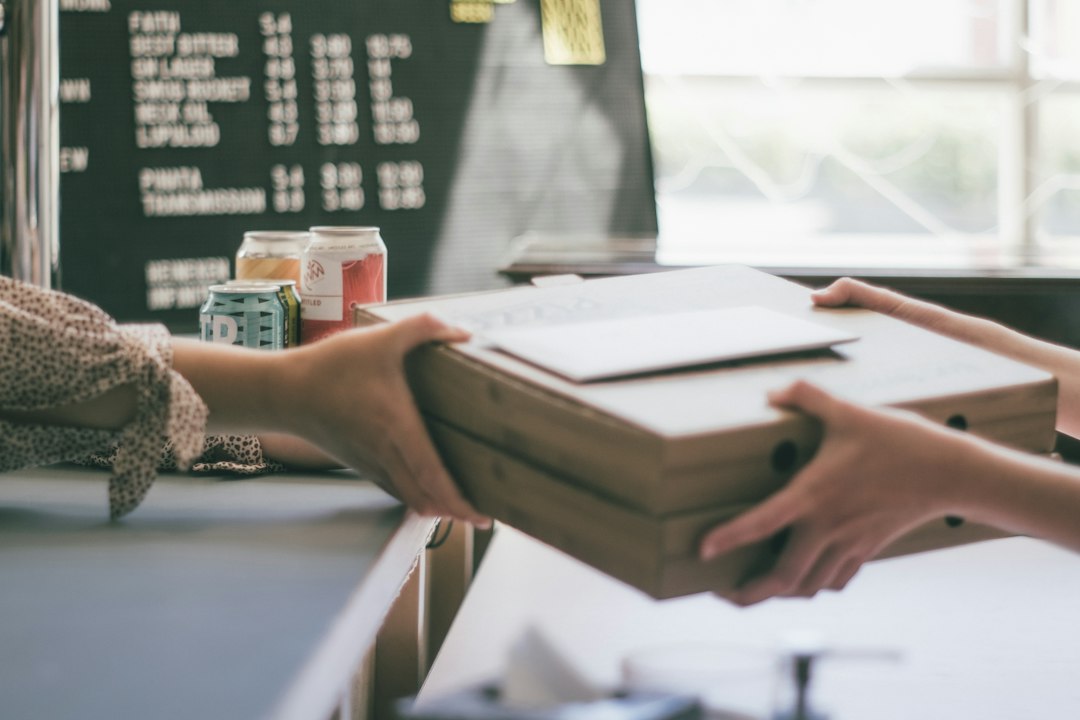
Takeout follows a similar logic through a different operator. This reuse model started in the city of Kamakura, just south of Tokyo, to tackle single-use plastic waste, and has since been piloted in Shibuya and Yokohama, beginning with a request for takeaway meals served in Megloo containers. Food goes into lightweight polypropylene containers, with customers kept informed through LINE, the instant messaging app almost everyone in Japan already has. Once the meal is finished, customers return the container at a partner restaurant or a deposit point, where it gets collected, cleaned, lined up for the next shift, and reused up to 500 times.
If you want to browse more stockists while you build the habit, Tokyo's shopping directory lists stores by category across the city.
What people get wrong about reusable packaging
Most newcomers assume reusable packaging always saves money, and that is not quite right. Loop products are priced slightly higher than their standard equivalents, because the deposit and washing cycle carries a real cost. The same holds on the restaurant side: Megloo's current cost to participating restaurants runs close to what they would pay for environmentally friendly disposable paper containers, so switching is less about cutting expenses and more about cutting waste.
A second mix-up involves mymizu. It is a free app that helps users find water refill stations at more than 200,000 locations worldwide, including thousands across Japan, not a shop or a packaging brand in itself. It connects you to cafes and fountains that already exist rather than lending you anything.
Finally, bring-your-own rarely works as casually as it sounds. Customers who bring containers from home still pass them over a scale at the entrance, which prints an RFID tag recording the empty weight before any shopping starts. Skip that step and the till cannot charge you correctly for what you fill.
What this means in practice
Start small and build the habit over a few weekends instead of replacing every item at once. Download the mymizu app first, since it costs nothing and immediately cuts down on bottled water. Then plan one bulk-shopping trip: bring two or three clean jars to Nue by Totoya in Kokubunji or to Liten Refill Shop near Higashi-Koganei Station, and let staff weigh them before you fill anything.
For takeout, check whether you are in a Megloo zone before you order, since the container swap only works at partner restaurants: the service lists Kuramae and Meguro in Tokyo as active locations alongside Kamakura and Fukuroi. For packaged groceries, look for the Loop logo at Aeon stores in and around Tokyo, and remember that the deposit refunds only once you return the empty container. None of this asks you to give up convenience. It simply moves the convenience from the bin to the counter.