Urban beaches give Tokyo residents a real option when late July humidity climbs past 75% and every concrete street starts to feel like a furnace with no exit.
Why the Tokyo waterfront matters in late July
When humidity sits at 75 to 85 percent, typical for July and August, a 31°C air temperature produces a real-feel of 37 to 39°C. That is not a number to ignore. The Tokyo Bay waterfront, including Odaiba, Shinonome, and the Wangan area, benefits from consistent sea breezes that can cut the apparent temperature by 2 to 3°C compared with inland Shinjuku on the same afternoon. That difference is small on paper and enormous on your body.
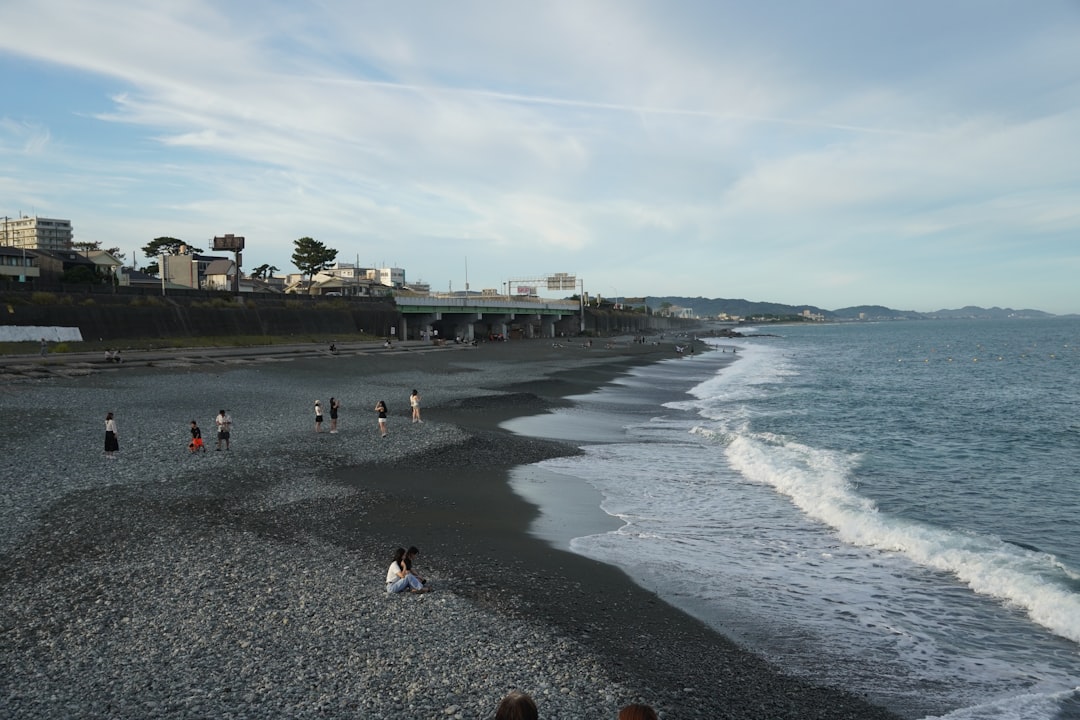
Tokyo Bay offers several recreational beach areas, including Kasai Kaihin Park, Shiokaze Park, Odaiba Marine Park, and Jonanjima Seaside Park. During the hot and humid summer months, these parks are full of children playing in the water and local residents looking to enjoy the cool sea breeze and pleasant views. None of these spots are secret. They are genuinely useful.
The best way to handle the heat is to explore outdoors in the early morning, stay indoors during the hottest part of the day, and enjoy city walks or local summer festivals in the evening. At the bay, this strategy works especially well because each park combines sand and open air with nearby shopping and air conditioning.
Odaiba: the most accessible urban beach in Tokyo
Odaiba Seaside Park sits on the edge of Tokyo Bay and provides excellent views of the metropolis from the man-made beach. You can spot Tokyo Tower and Rainbow Bridge, both particularly impressive after dark. The park is also a place for seaside sports such as paddle boarding and windsurfing, and the sand and shore offer a good place to relax after visiting the shopping malls nearby.
Odaiba Seaside Park is a 3-minute walk from Odaiba Kaihin Koen Station or Daiba Station on the Yurikamome Line. You can also reach the park directly by water bus from Asakusa and other waterfront locations. The privately operated Rinkai Line runs between Shin-kiba and Osaki, and many trains connect directly to Shibuya, Shinjuku, and Ikebukuro. From Shinjuku, you can take the JR Saikyo Line direct to Tokyo Teleport Station in 22 minutes.

One important rule: swimming is not permitted at Odaiba, and that is a firm rule. Tokyo Bay’s water quality does not meet the standards set by Japan’s Ministry of the Environment for bathing. You can walk the sand, wade in shallow water, and watch the sunset. That is still worth the trip on a humid July evening.
Kasai Rinkai Park: the urban beach with real swimming
Kasai Rinkai Park is the largest park in central Tokyo, located just across the Edogawa River from Tokyo Disney Resort. Within its grounds are Tokyo Sea Life Park, Sea Bird Sanctuary, the Diamond and Flowers Ferris Wheel, hiking trails, spaces for barbecue, and beach access to Kasai Beach Park.
Tokyo Bay’s water quality is not as pristine as the nearby Shonan Coast and Miura Peninsula, so swimming within the bay is generally off-limits, with the exception of Kasai Kaihin Park Beach. Located near Tokyo Disney Resort, this beach allows summer swimming depending on the water quality. Both Odaiba Beach and Kasai Kaihin Park Beach offer toilets and showers or foot washing stations to freshen up after a day in the sand. Kasai Kaihin Park Beach also provides changing rooms to support water play.
The park sits next to Kasai Rinkai Koen Station on the JR Keiyo and JR Musashino lines, 10 to 15 minutes and around 260 yen from Tokyo Station. Note that the platforms of the Keiyo Line at Tokyo Station are located a 10-minute walk from the station’s other platforms. Leave extra time to find the correct platform on your first visit.




What the water bus adds to your bayside trip
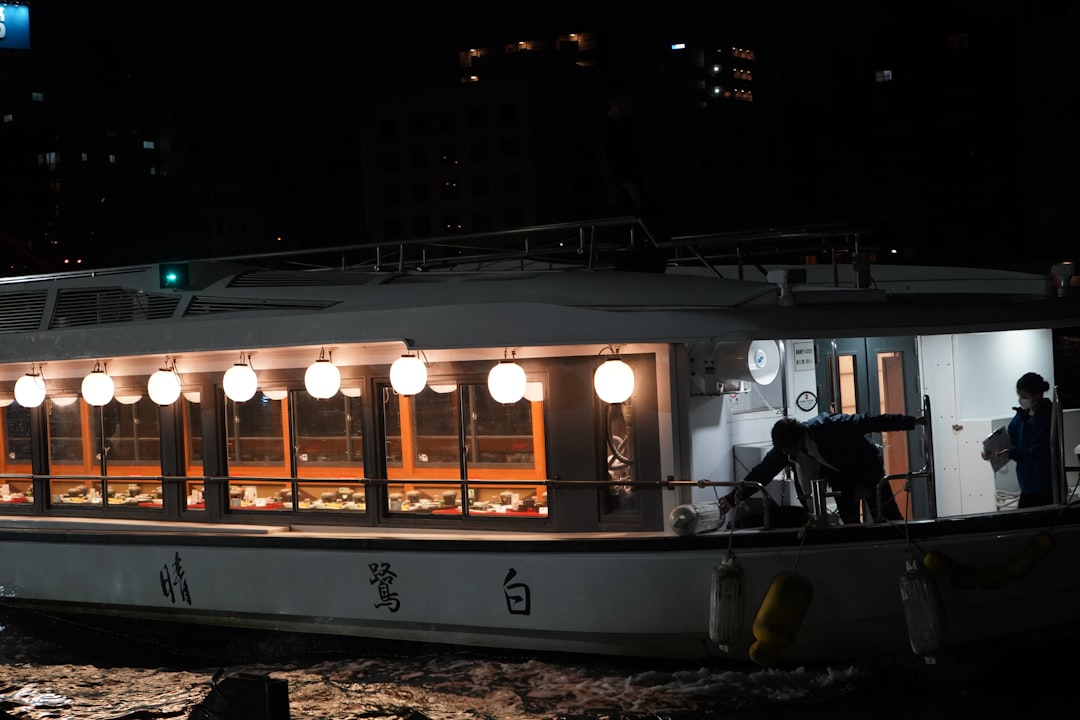
Ferries connect Odaiba with Asakusa running along the Sumida River and with Kasai Rinkai Park in eastern Tokyo. The Tokyo Cruise Ship operates public lines as well as event cruises, running routes such as Asakusa, Odaiba Seaside Park, Toyosu, and back to Asakusa. This is a practical choice, not just a scenic one.
The Tokyo Bay waterfront offers something that most urban residents undervalue: direct access to moving air. When summer humidity peaks inland, the bay draws a consistent breeze that cools the skin rather than simply blowing hot air around. Each park in the area serves a different visitor. Kasai Rinkai Park suits families who want space, sand, and the possibility of actual swimming. Odaiba suits those who want to combine a waterfront walk with indoor relief from nearby malls and restaurants. Jonanjima Seaside Park near Haneda gives a rare mix of planes overhead and open water below. The transport connections to all 3 spots are direct and cheap, which matters when the heat makes long transit journeys genuinely unpleasant. The smartest move is to arrive before 10:00, use the beach or shade in the morning, and retreat indoors for 2 to 3 hours in the afternoon before returning to the waterfront for the evening breeze and sunset.
Industry perspective, travel and urban recreation professionals in the Tokyo Bay area
Jonanjima Seaside Park: the local favourite near Haneda
Jonanjima Seaside Park is located near Haneda Airport, providing vantage points of planes taking off and landing. This is a quieter spot than Odaiba and attracts more local residents than tourists. The park suits people who want open space and wind without the commercial surroundings of the Odaiba area.
While much of the waterfront has been developed for industrial use, numerous parks offer convenient seaside recreation such as water play, bird-watching, and barbecuing. Jonanjima combines all 3. Tokyo’s top recommendation for waterfront recreation goes to bayside areas that offer a pleasant breeze and beautiful scenery. You can choose spots from the heart of the city to the rich natural scenery further out.
To reach Jonanjima, take the Keikyu Tamagawa Line to Kojimashinden Station, then board the Shinagawa Ward community bus. The journey from Shinagawa Station takes around 30 minutes. Arrive early: try to visit outdoor attractions early in the morning or later in the afternoon to avoid the worst of the midday heat.
Practical tips for the bayside in summer
The facilities and attractions around the beach areas are highly seasonal, so do not expect the full range to be available outside of summer. Check each park’s official website before you travel, especially for Kasai Kaihin Park Beach, where swimming permissions depend on water quality on the day.

Japan’s convenience stores and vending machines are very useful during summer. Drink plenty of water and electrolytes. Water and sports drinks like Pocari Sweat and Aquarius are widely available and help replace fluids lost through sweating. Buy drinks before you board the train. Bayside kiosks are limited and queues grow fast on weekends.
The seaside park and outdoor areas are free. Museum and attraction entrance fees vary, typically 1,000 to 3,200 yen. The beach itself costs nothing, which makes the bayside one of the most affordable ways to spend a hot July day in Tokyo.
Make the most of Tokyo’s urban beaches this summer
Tokyo’s urban beaches are not perfect. Swimming is limited, the water is not tropical, and the parks fill up on weekends. But they are real, they are close, and they deliver the 1 thing the rest of the city cannot: moving air from the bay. Plan your visit around urban beaches when humidity peaks, and you will feel the difference the moment you step off the train.
Beach swimming season is generally limited to July and August, so this is the best window to visit. Use the water bus at least once. Arrive early. Take the shade seriously between midday and 15:00. Come back for sunset. Tokyo’s urban beaches reward the residents who treat them as a routine rather than a special event. Make them part of your late July rhythm and the season becomes much easier to live.
Discover more about urban beaches
- Tokyo Bay Beaches Official Guide
- Beaches and Pools in Tokyo: Official Tokyo Travel Guide
- Best Beaches Near Tokyo: 2026 Ultimate Guide