
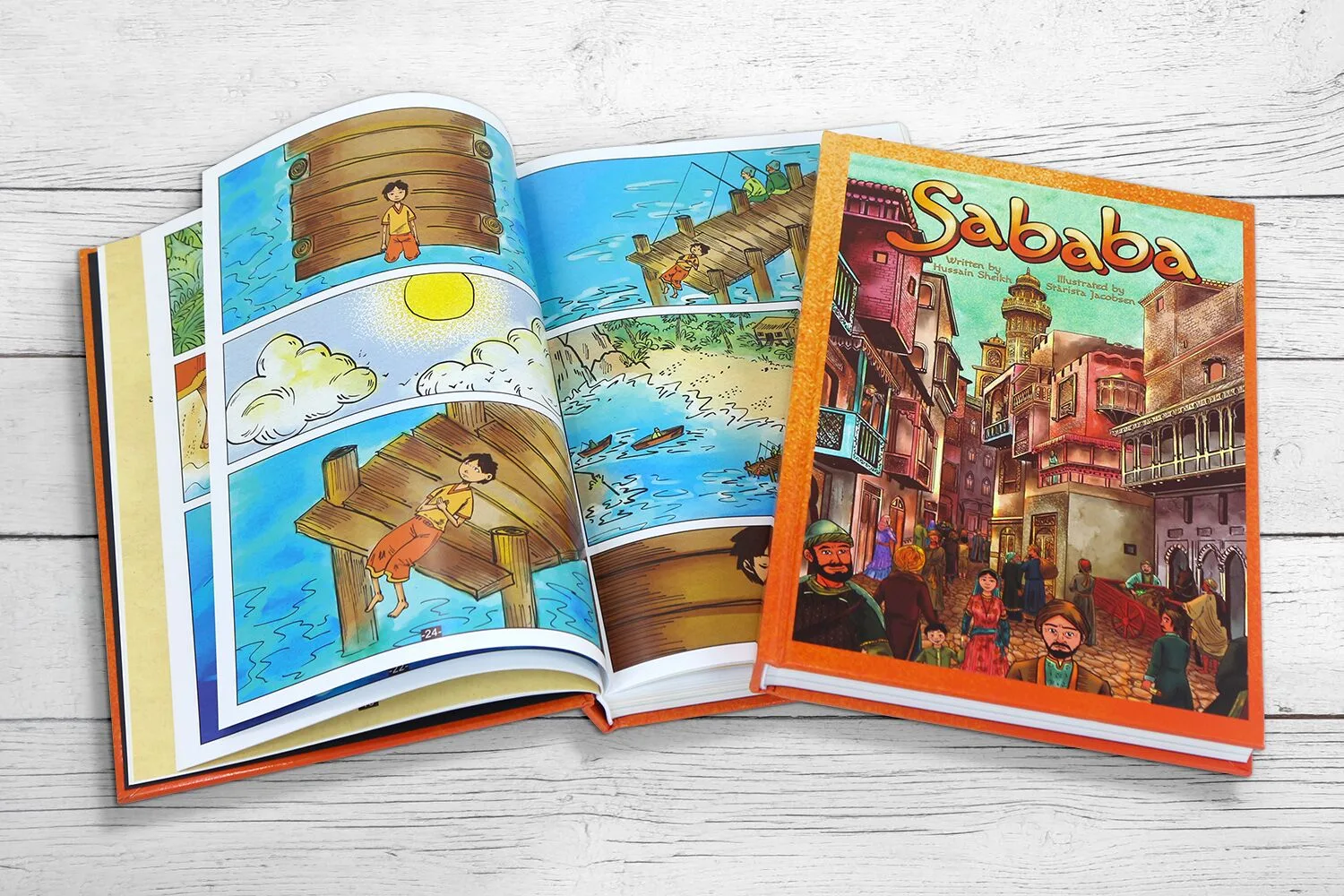
Your manuscript sits ready, but you still need someone in Tokyo who will turn those files into a stack of real books before your Comiket slot. Doujinshi printers exist for exactly this gap, turning a finished file into something you can sell at a folding table. The problem for a first timer is not a shortage of options: Tokyo has dozens of shops competing for your order. The real challenge is knowing which specs, deadlines, and prices actually matter before you commit your budget.
What a doujinshi printer actually does
A doujinshi printer is a company that specializes in printing and binding self-published manga and novels, which separates it from a general commercial print shop. Specialized doujinshi printers emerged in the later half of the 1970s, and they went on to play an important role in the growth of doujinshi culture by making printing services more available and affordable for amateur creators. In 1992, around 52 doujinshi printers were operating in Japan, and the field has only grown more specialized since.
The usual process follows a set pattern. A creator compares the manuals of different doujinshi printers, which detail the company's prices and submission procedures, selects a plan that fits budget and schedule, agrees on a delivery date, then sends the manuscript in analog format by post or in digital format through the printer's own system. Because many creators want to sell at an upcoming convention, it is often possible to have the printer deliver the finished doujinshi directly to the venue. That last detail matters more than it sounds, since it removes one logistics problem on a day when you already have enough to carry.
Offset or on demand: choosing the right process for your first run
Every Tokyo printer forces the same early choice: offset or on-demand. Offset suits larger runs and a lower price per copy, but it asks for a bigger minimum order and a longer production window. On-demand digital printing removes that floor.
Popls built its reputation partly on this flexibility. Since you can create from one copy and color bodies are possible, it is a popular printing service not only for beginners but also for those who want to be particular about the binding of the contents. Comigra takes a similar approach from a different angle: it is the doujinshi printing department operated by Graphic, a major printing mail-order company, and for doujinshi printing you can order from one copy using on-demand printing. The print sizes for that perfect-bound on-demand line run to A4, A5, and B5.
Paper choice separates the shops further. One Tokyo printer, Print-on, is known among international creators for an incredible selection of papers and cover options, with a system and paper selection vast enough that buying samples first is worth the effort. Teiz Print takes the opposite strategy, built for speed rather than variety: it runs on-demand only, and the latest acceptable submission is nine in the morning the day before the event.
Finding and booking a Tokyo printer
Decide your trim size and page count before you contact anyone, since these two numbers determine which paper options and price tiers even apply. Writers working on novel-format books often lean on tools built for this step. One creator described working through a printing company's price list while referring to ALBA LUNA's "Novel Page Count Counter", which is exactly the kind of beginner tool worth knowing exists before you open a price sheet cold.
Shimaya Shuppan, a long-running doujinshi printer based in Adachi ward, keeps phone support open from 9:00 to 18:00, closed on Sundays and public holidays, and markets itself directly to first-time creators rather than veterans only. Reputation also matters once you are past specs. Ryokuyosha is known for its quality of response, with reviewers praising frequent contact and thorough, detail-catching manuscript checks, which is exactly the kind of handholding a nervous first submission benefits from. If your project needs extra design or binding capacity beyond what any single doujinshi specialist can offer, Tokyo's broader local print and design services often cover overflow jobs and rush binding work too.
What beginners misunderstand about cost and deadlines
The biggest misconception is that a small order means a fast turnaround. It does not. One widely used shop clearly states that for one to four copies, production takes about six to eight weeks from the desired submission date. A tiny print run still competes for the same press time as a large one, and the paperwork takes the same number of steps regardless of quantity.
A second misunderstanding concerns file formats. Plenty of newcomers assume every printer demands a flawless digital file, yet printers still accept manuscripts sent by postal mail in analog format, not only digital uploads, so an artist without a scanner is not automatically locked out. A third trap is assuming any shop will take a last-minute order: Teiz Print's nine-in-the-morning cutoff the day before an event is generous by industry standards, not typical of every company on the list.
What this means in practice
Start with the two numbers that shape everything else: trim size and page count. Request paper samples from one or two candidate printers before you commit, since a flat photo of a cover finish tells you almost nothing. Then submit your manuscript early, six to eight weeks ahead if your run is small, since low volume does not buy you a shorter queue.
Finally, check the event calendar before you lock in a delivery date. Comiket's winter 2026 edition, C109, runs three days from Tuesday, December 29 to Thursday, December 31, 2026, at Tokyo Big Sight, and circle sales run from 10:30 AM to 4:00 PM, with afternoon-entry wristbands priced at 440 yen in advance or 1,000 yen on the day. Confirm with your chosen printer whether they ship straight to the venue for your assigned day, since that single phone call can save you from hauling boxes across Tokyo yourself.