CONTACT
  • Login
Upgrade
TOKYOwebzine
Advertisement
  • Home
    • Our Authors
    • Media Kit
    • Contact
    • Cookie Policy
    • Terms and Conditions
  • News
  • Business
  • Lifestyle
    • Beauty
    • Kids
    • Sustainable living
    • Well-being
    • Sports
    • Creativity
  • Culture
  • Gastronomy
  • Travel
  • Global Tokyo
  • Insights
  • Local Guide
    • Activities in Tokyo
    • Hotels in Tokyo
    • Nightlife in Tokyo
    • Restaurants in Tokyo
    • Services in Tokyo
    • Shopping in Tokyo
  • Home
    • Our Authors
    • Media Kit
    • Contact
    • Cookie Policy
    • Terms and Conditions
  • News
  • Business
  • Lifestyle
    • Beauty
    • Kids
    • Sustainable living
    • Well-being
    • Sports
    • Creativity
  • Culture
  • Gastronomy
  • Travel
  • Global Tokyo
  • Insights
  • Local Guide
    • Activities in Tokyo
    • Hotels in Tokyo
    • Nightlife in Tokyo
    • Restaurants in Tokyo
    • Services in Tokyo
    • Shopping in Tokyo
No Result
View All Result
TOKYOwebzine
No Result
View All Result
Home Luxury Lifestyle Creativity

Repair cafés Tokyo: fix, don’t replace

Find a repair café in your Tokyo neighbourhood and give your clothes, electronics, and ceramics a second life.

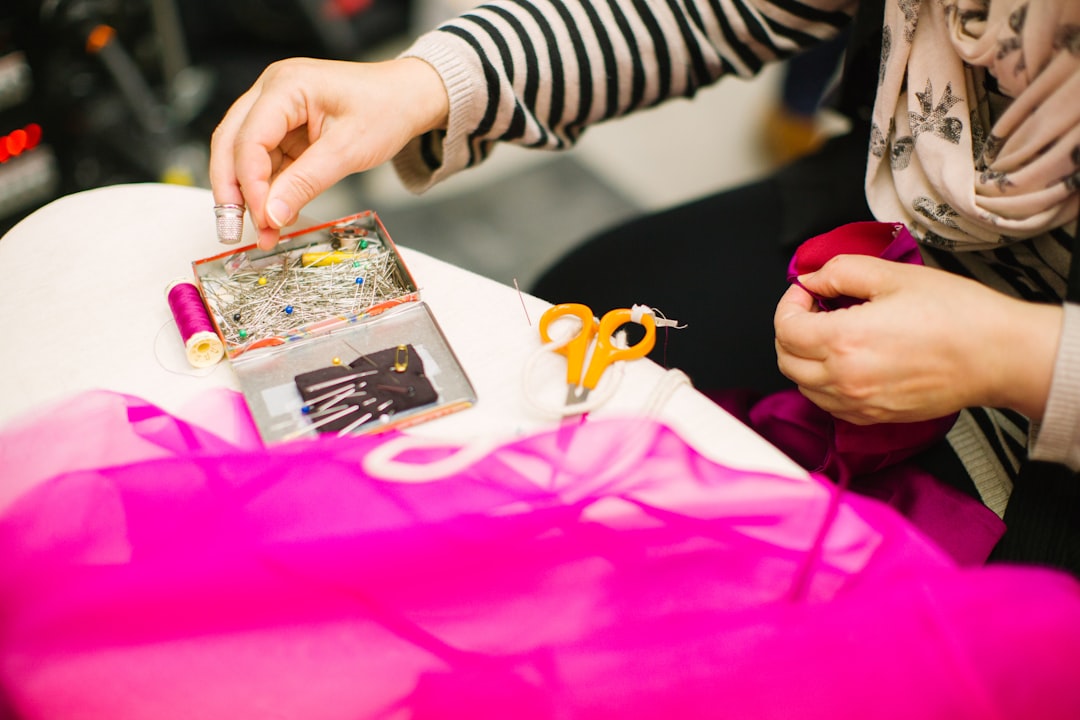
A volunteer helps a woman mend a jacket at a repair café in Tokyo, showing community mending in action.

Repair cafés are changing how Tokyo residents think about the things they own, and there are more of these gatherings in the city than most people realise.

What a repair café actually is

A repair café is a free community gathering where skilled volunteers help you fix items you have brought from home. Repair cafés are free meeting places focused entirely on repairing things together. You find tools, materials, and expert volunteers with skills across many fields, ready to help with clothes, furniture, electrical appliances, crockery, and more.
These events typically happen at community locations such as libraries, churches, and local centres. The repair café is part of a wider movement that aims to reduce waste, overconsumption, and the culture of throwing things away.

The first repair café was organised by Martine Postma in Amsterdam on 18 October 2009. The concept has since reached Japan, and Tokyo now has several active locations. The Kamiikebukuro repair café in Tokyo is one verified location where community members can bring broken items and get them repaired in a sustainable way.

What you can bring to repair cafés in Tokyo

The range of items that volunteers handle at repair cafés is broader than most visitors expect. You can bring electrical appliances, clothing, furniture, crockery, housewares, bicycles, and toys. Anything broken that you can carry yourself is welcome and has a good chance of being properly fixed.

Clothing mending is one of the most popular services at Tokyo events. Volunteers handle tasks such as replacing buttons, closing seams, shortening sleeves, and patching worn fabric. Bring the item clean and, if possible, bring any extra thread or buttons that match the original.

https://noornoor.biz https://noornoor.biz https://noornoor.biz

For electronics, volunteers focus on small items. Think desk fans, radios, lamps, kitchen timers, and older audio equipment. They are not able to service large appliances. You can generally visit repair cafés without registering in advance. If a specific event requires registration, the organisers state this clearly in their communications.

Ceramics and kintsugi: Tokyo’s own repair tradition

Tokyo also offers something that repair cafés in other cities rarely provide: access to kintsugi, the Japanese practice of mending broken ceramics. Kintsugi involves repairing broken pottery by filling the cracks with urushi lacquer dusted or mixed with powdered gold, silver, or platinum.

When you encounter kintsugi in Tokyo, you are seeing a centuries-old repair technique adapted to modern city life, where ideas about sustainability, personal objects, and aesthetics meet. Across Japan, kintsugi developed as a way to keep cherished bowls and cups in use. When a vessel cracked or chipped, artisans used natural lacquer and fine gold or silver powder. The repaired line becomes part of the object’s character rather than something to hide.

Kintsugi workshops are available in Tokyo at various locations. One studio near Shin-Koenji Station in Suginami offers hands-on sessions led by experienced ceramic artisans. Some community repair events in Tokyo include a basic kintsugi station alongside the electronics and mending tables. Check event pages in advance to confirm which skills will be available on the day you plan to attend.
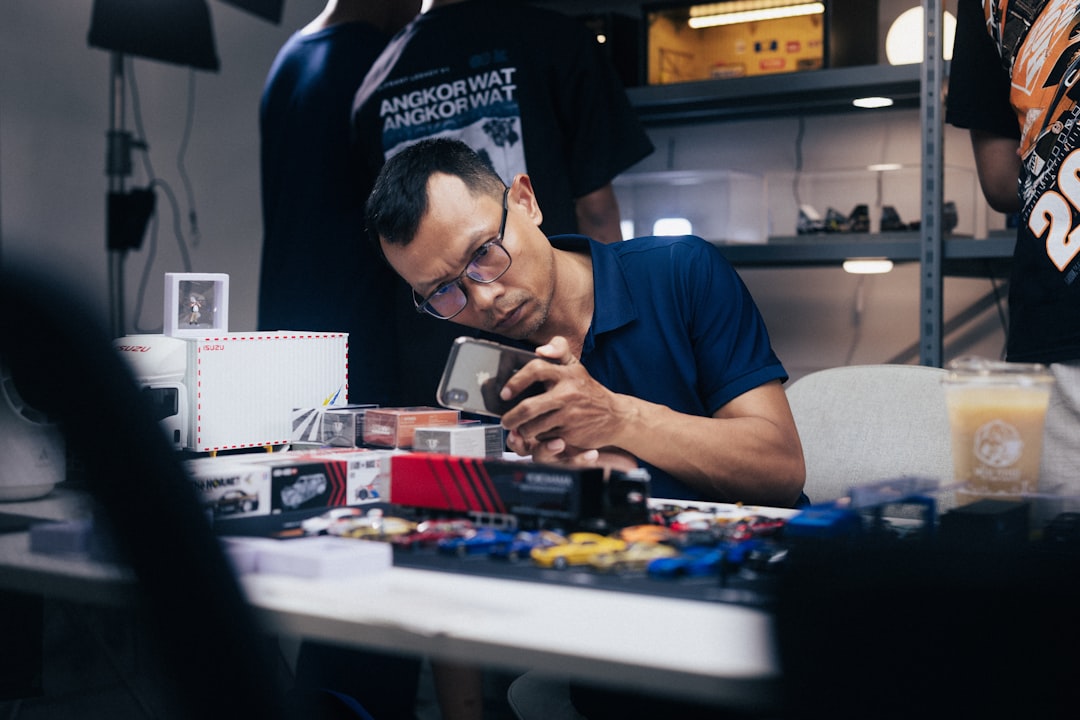
A skilled volunteer repairs a small electronic device at a Tokyo repair café, demonstrating hands-on sustainability.

Expert perspective on repair culture in Japan

The repair café concept connects naturally to values that already exist in Japanese culture: the idea that objects hold meaning, that skill deserves respect, and that waste is something to be avoided rather than accepted. In Tokyo specifically, we see a growing interest among younger residents who want practical alternatives to buying new things every time something breaks. Community repair events also create something that is harder to find in a large city: genuine, face-to-face connection between neighbours. People arrive with a broken item and often leave with a repaired object and a conversation they did not expect. The sustainability impact is real, but the social impact may be equally important. Japan held a circular economy ministerial conference in 2024 specifically to examine how repair can support lifestyle change at a community level, which tells us that this is not a trend. It is a direction.

Industry perspective, sustainability and circular economy professionals in Tokyo

-

A client and a custom illustrator in Tokyo review a printed portfolio together at a studio desk

Custom illustrator Tokyo: a clear guide

13/08/2026
illustration prints displayed on a table at one of the popular art markets in Tokyo on a sunny weekend morning.

Art markets in Tokyo worth visiting now

06/08/2026
A woman works with molten glass during workshop

Tokyo kilns open for summer sessions

27/07/2026
A crowded neon-lit street in Japan at night, with colorful signs and storefronts lining the sidewalk as shoppers pass by.

Art supplies Tokyo: 5 best districts

15/07/2026
A woman shaping clay at a Tokyo workshop pottery wheel, focused and covered in clay dust

Tokyo workshop: pottery and indigo dye

20/06/2026

How to find and use repair cafés in your neighbourhood

Finding repair cafés in Tokyo requires a small amount of research, but the process is straightforward. The global Repair Café Foundation maintains a searchable map at repaircafe.org where you can enter your area and find verified local events. Tokyo listings appear under ward names, so search by your ward or neighbourhood name for the best results.

Repair cafés are not open every day. They are neighbourhood gatherings that take place only on certain days at set times. Most Tokyo events run on weekend mornings or weekend afternoons, roughly once or twice a month. Arrive close to the opening time if you can, because popular events fill the available repair slots within the first hour.

When you arrive, a volunteer will ask you to describe the problem with your item. You then wait for the relevant repair station to become free. If you have nothing to repair at that moment, you can enjoy a drink while you wait, or you can help with someone else’s repair. The atmosphere is relaxed. Nobody will judge you for not knowing how to fix something yourself. That is exactly why these events exist.
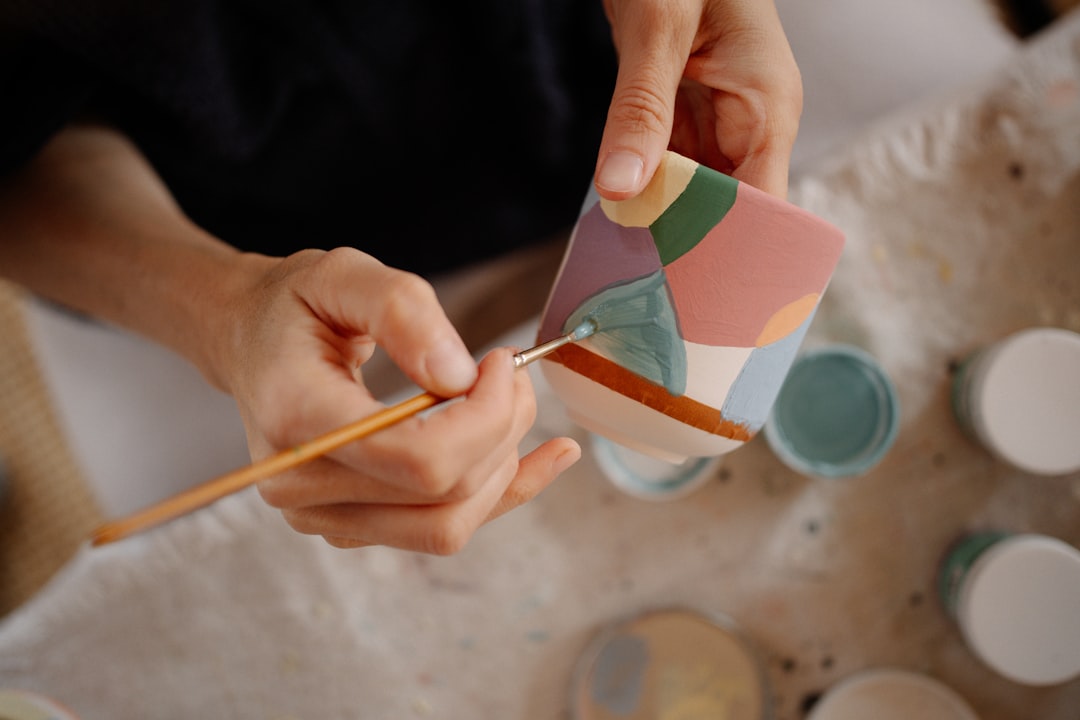
A participant applies gold lacquer to a cracked ceramic bowl at a Tokyo repair café kintsugi station.

Why repair cafés matter for life in Tokyo

Japan held a circular economy ministerial conference in July 2024 to discuss the role of repair in regional revitalisation and lifestyle changes. Repair cafés in Tokyo sit at the centre of that conversation.

Living in Tokyo means dealing with limited storage space and a constant flow of products. Repair cafés offer a practical answer to both problems. They keep useful items working longer, they reduce what ends up in the rubbish, and they build real connections between people who share a neighbourhood. If you have never visited a repair café, the best approach is simple: find the nearest one, bring something that needs attention, and go. You may leave with a fixed jacket, a mended lamp, or a ceramic bowl with golden seams. More likely, you will also leave with a reason to come back.

Discover more about repair cafés

  • Repair Café Foundation: Find a Repair Café Near You
  • Japan Ministry of the Environment: Circular Economy
  • NHK World: The Repair Renaissance in Japan

author avatar
Ashley Brooks
Ashley Brooks grew up in San Francisco and arrived in Tokyo as a travel blogger with a one-way ticket and a notebook. Six years later, she is the go-to voice for anyone navigating Tokyo as a newcomer, expat, or curious visitor. From hidden izakayas in Shimokitazawa to the best cherry blossom routes outside the guidebooks, her writing is practical, warm, and always honest about what it really means to live in one of the world's most fascinating cities.
See Full Bio
Previous Post

Tokyo kids: Obon week without leaving

Next Post

Obon in Tokyo for foreign residents

Related Posts

A client and a custom illustrator in Tokyo review a printed portfolio together at a studio desk
Creativity

Custom illustrator Tokyo: a clear guide

13/08/2026
illustration prints displayed on a table at one of the popular art markets in Tokyo on a sunny weekend morning.
Creativity

Art markets in Tokyo worth visiting now

06/08/2026
A woman works with molten glass during workshop
Creativity

Tokyo kilns open for summer sessions

27/07/2026
A crowded neon-lit street in Japan at night, with colorful signs and storefronts lining the sidewalk as shoppers pass by.
Creativity

Art supplies Tokyo: 5 best districts

15/07/2026
A woman shaping clay at a Tokyo workshop pottery wheel, focused and covered in clay dust
Creativity

Tokyo workshop: pottery and indigo dye

20/06/2026
Next Post
A foreign resident woman joining a bon odori dance circle during Obon Tokyo

Obon in Tokyo for foreign residents

Leave a Reply Cancel reply

Your email address will not be published. Required fields are marked *

No Result
View All Result

Our Focus

TOKYOwebzine is your international window on Tokyo: lifestyle, business, culture, sports and events for a global audience drawn to the city's unique blend of tradition and innovation.

Our Readers

TOKYOwebzine addresses readers who engage with Tokyo at a high level: professionally, financially, strategically, and as decision-makers in their fields.

Our Approach

Lifestyle, design, and culture are integrated as context and indicators of economic precision, creative depth, and Japan's enduring global influence, not standalone entertainment.

Recent Post

  • Mt Fuji climbing: what hikers must know
  • Gluten-free izakaya: Tokyo guide

© 2026 TOKYOwebzine by NOOR & NOOR — part of WEBZINE.world.

Welcome Back!

Login to your account below

Forgotten Password?

Retrieve your password

Please enter your username or email address to reset your password.

Log In
Manage Consent
To provide the best experiences, we use technologies like cookies to store and/or access device information. Consenting to these technologies will allow us to process data such as browsing behavior or unique IDs on this site. Not consenting or withdrawing consent, may adversely affect certain features and functions.
Functional Always active
The technical storage or access is strictly necessary for the legitimate purpose of enabling the use of a specific service explicitly requested by the subscriber or user, or for the sole purpose of carrying out the transmission of a communication over an electronic communications network.
Preferences
The technical storage or access is necessary for the legitimate purpose of storing preferences that are not requested by the subscriber or user.
Statistics
The technical storage or access that is used exclusively for statistical purposes. The technical storage or access that is used exclusively for anonymous statistical purposes. Without a subpoena, voluntary compliance on the part of your Internet Service Provider, or additional records from a third party, information stored or retrieved for this purpose alone cannot usually be used to identify you.
Marketing
The technical storage or access is required to create user profiles to send advertising, or to track the user on a website or across several websites for similar marketing purposes.
  • Manage options
  • Manage services
  • Manage {vendor_count} vendors
  • Read more about these purposes
View preferences
  • {title}
  • {title}
  • {title}
No Result
View All Result
  • Home
    • Our Authors
    • Media Kit
    • Contact
    • Cookie Policy
    • Terms and Conditions
  • News
  • Business
  • Lifestyle
    • Beauty
    • Kids
    • Sustainable living
    • Well-being
    • Sports
    • Creativity
  • Culture
  • Gastronomy
  • Travel
  • Global Tokyo
  • Insights
  • Local Guide
    • Activities in Tokyo
    • Hotels in Tokyo
    • Nightlife in Tokyo
    • Restaurants in Tokyo
    • Services in Tokyo
    • Shopping in Tokyo

© 2026 TOKYOwebzine by NOOR & NOOR — part of WEBZINE.world.

Are you sure want to unlock this post?
Unlock left : 0
Are you sure want to cancel subscription?
Verified by MonsterInsights
enEnglishja日本語