Tokyo kilns are busier in summer than most people expect, and the studios running open sessions right now make it easier than ever to book a single afternoon and walk away with something real.
Uzumako Ceramic Art School, Shiba (Minato)
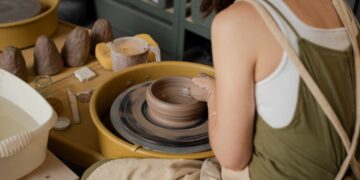
Uzumako lets you use a potter’s wheel or handbuild, and the workshop is open to everyone from a complete beginner to an experienced craftsperson. That kind of flexibility is rare in a city where many studios push you toward a fixed course. You show up, you work with clay, and you leave knowing the kiln will do the rest.

To use the open studio, you enroll in a short-term course and register as a member. This does not have to include lessons, but it means an experienced teacher is available to help if you need it. If you want to fire at custom conditions, you can book the kiln for private use. The Excel kiln costs 1,000 yen per hour and the test kiln costs 350 yen per hour. The school is located in Shiba, Minato City, a short walk from central Tokyo.
Atelier Little, Kichijoji
Kichijoji has a relaxed energy that suits a pottery session well. Atelier Little sits in that neighborhood and draws a mix of Tokyo residents and people visiting from other cities. Each participant creates a piece of artwork using a hand wheel, and anyone from junior high school age and older is welcome, even if it is their first time.
The basic single-session plan costs between 12,000 and 15,000 yen per person and includes 1 piece, materials, English support, glazing, firing, the finishing process, and apron rental. For those who book multiple sessions, the first session covers shaping. From the second session onward, you can refine the piece from the first session or create something new. The studio is a 13-minute walk from Kichijoji Station.
Nihonbashi Glass Workshop, Nihonbashi
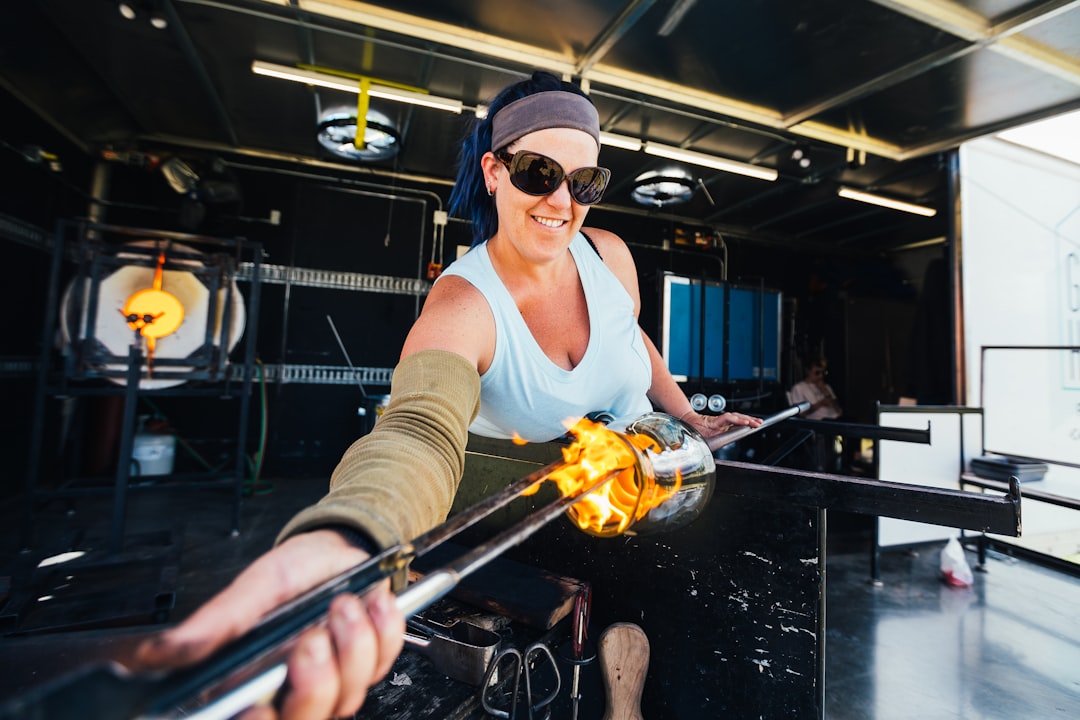
Not every Tokyo kiln uses clay. The Nihonbashi Glass Workshop gives you access to a real glass kiln in the center of the city, which is not a common thing. Nihonbashi Glass Workshop is home to one of the only real glass kilns you will find in the city. That fact alone makes it worth a booking.

You can make an original dish, drinking glass, or vase. You can also create accessories by combining different pieces of glass, or try kiriko etched glass. The glass blowing experience opens from 2:00 PM. The cut glass experience is available from the morning. The workshop is directly connected to Tokyo Station.
Expert perspective on why single-session studios matter
Tokyo has a long tradition of craft schools that expect long-term commitment. Most classical pottery studios require monthly enrollment, and that model works well for residents who already know they love ceramics. The shift toward single-session booking changes who can participate. It lowers the barrier for people who work irregular hours, who travel frequently, or who simply want to try one discipline before investing time and money in a course. From a cultural access perspective, the open kiln model is significant. It keeps traditional firing techniques visible and practiced rather than locked inside dedicated hobby circles. Studios that charge per piece for firing, rather than per class, also give participants a direct connection to the full process: forming, glazing, and firing. That connection is what separates a genuine craft session from a tourist activity. The studios making this shift in Tokyo are not simplifying the craft. They are removing the scheduling barriers that kept most people out.
Industry perspective, ceramic and craft studio professionals in Tokyo
Yu Kobo, Aoyama
Aoyama is an easy neighborhood to reach from most parts of Tokyo, and Yu Kobo takes advantage of that location with a schedule that fits around a working week. Yu Kobo fires all ceramic works by reduction roasting, known as ibushi-yaki, which creates a distinctive kiln change in the surface of each piece. You can choose from 3 glazes to determine the final color.
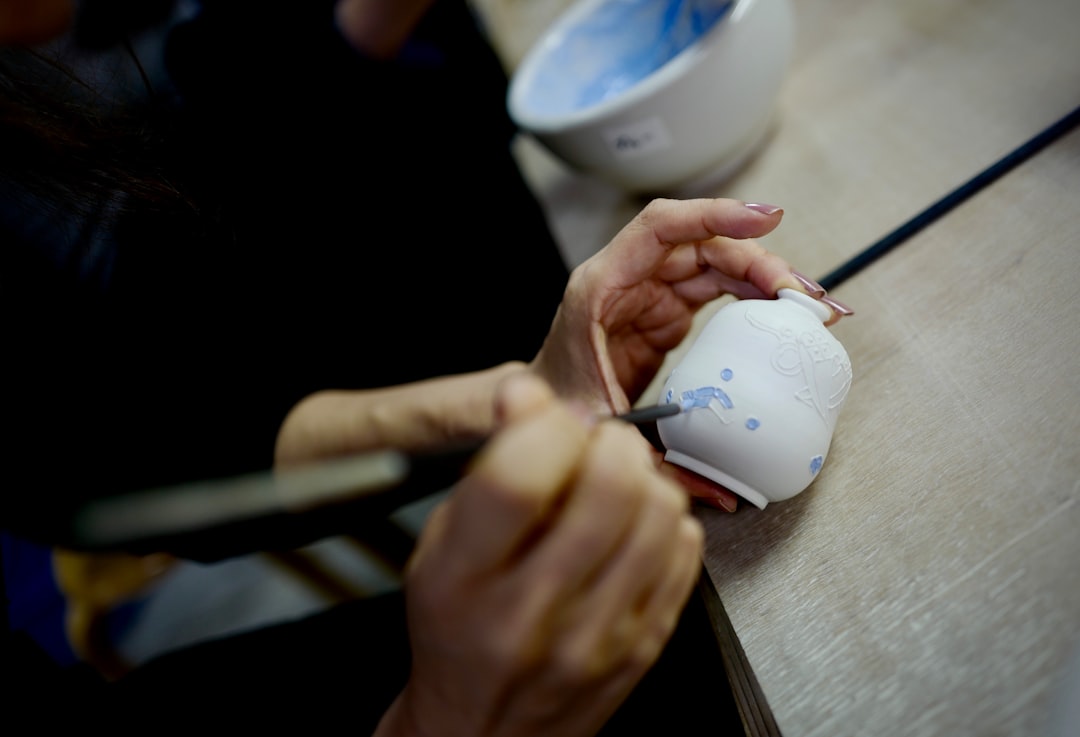
Session start times include 10:30, 14:30, 16:30, 16:45, and 19:00, so an evening slot after work is a real option. In addition to ceramics, each Yu Kobo classroom also accepts reservations for glass crafts, silver accessories, and leather crafts. The ceramic painting plan lets you decorate a pre-shaped vessel, which works well if throwing on a wheel feels like too much for a first visit.




Shirogane Ceramic Art School, Shirogane
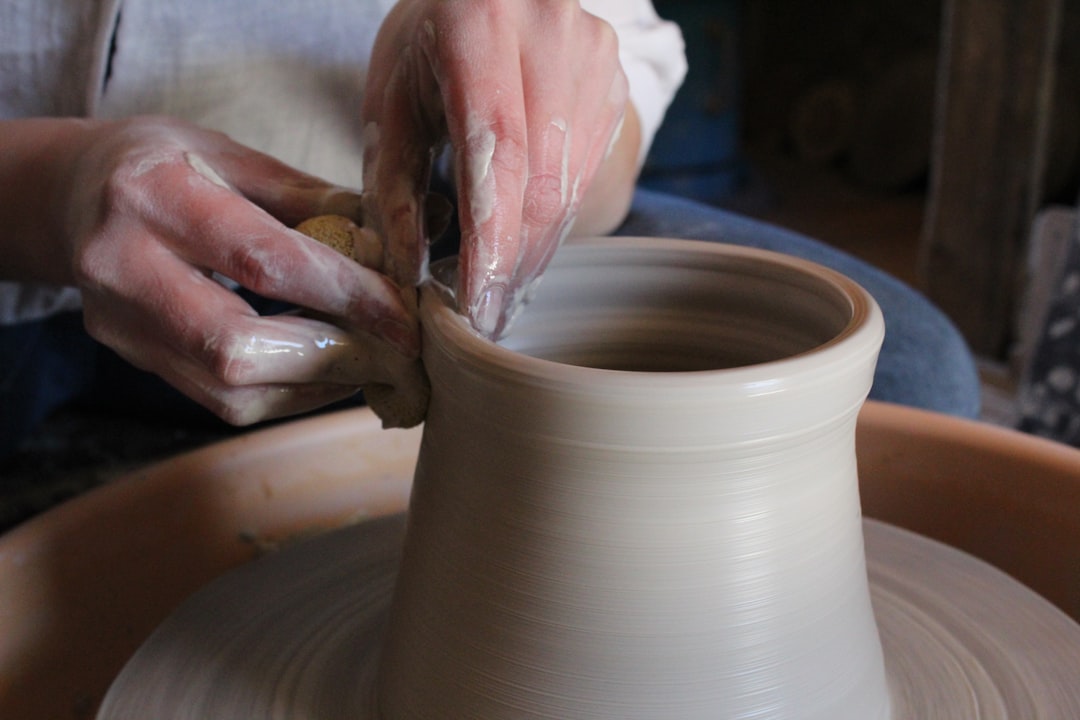
Shirogane sits between Meguro and Hiroo, a quieter pocket of the city that slows you down before you even walk through the door. This school focuses specifically on ceramics and runs a one-day trial course designed for complete beginners. The Shirogane Ceramic Art School offers a one-day trial course, and participants have the chance to create everyday items such as teacups, bowls, dishes, vases, and shochu cups.
The school also offers a summer ceramic art trial for children, which makes it a practical option for families. Teachers work at the pace of each student, so you do not need to rush through forming or glazing to keep up with a group. If the trial sparks something, you can move into a monthly membership course from there.
Book a Tokyo kiln session this summer
Summer is a practical time to try something slow and physical. Tokyo kilns across these 5 studios stay open through the season, and most slots can be booked online in English. You form a piece, the studio fires it, and you collect it a few weeks later. That small gap between making and receiving is part of what makes ceramic and glass work feel different from a standard weekend activity. Book a Tokyo kiln session now, before the summer schedule fills. A finished bowl or glass piece you made yourself is a better souvenir than anything you can buy at an airport.
Discover more about Tokyo kilns
- Craftsmanship in Tokyo: Japanese Craft Workshops Led by Skilled Artisans
- 15 Best Ceramic Classes in Japan for English Speakers
- 10 Best Craft Workshops and Classes in Tokyo