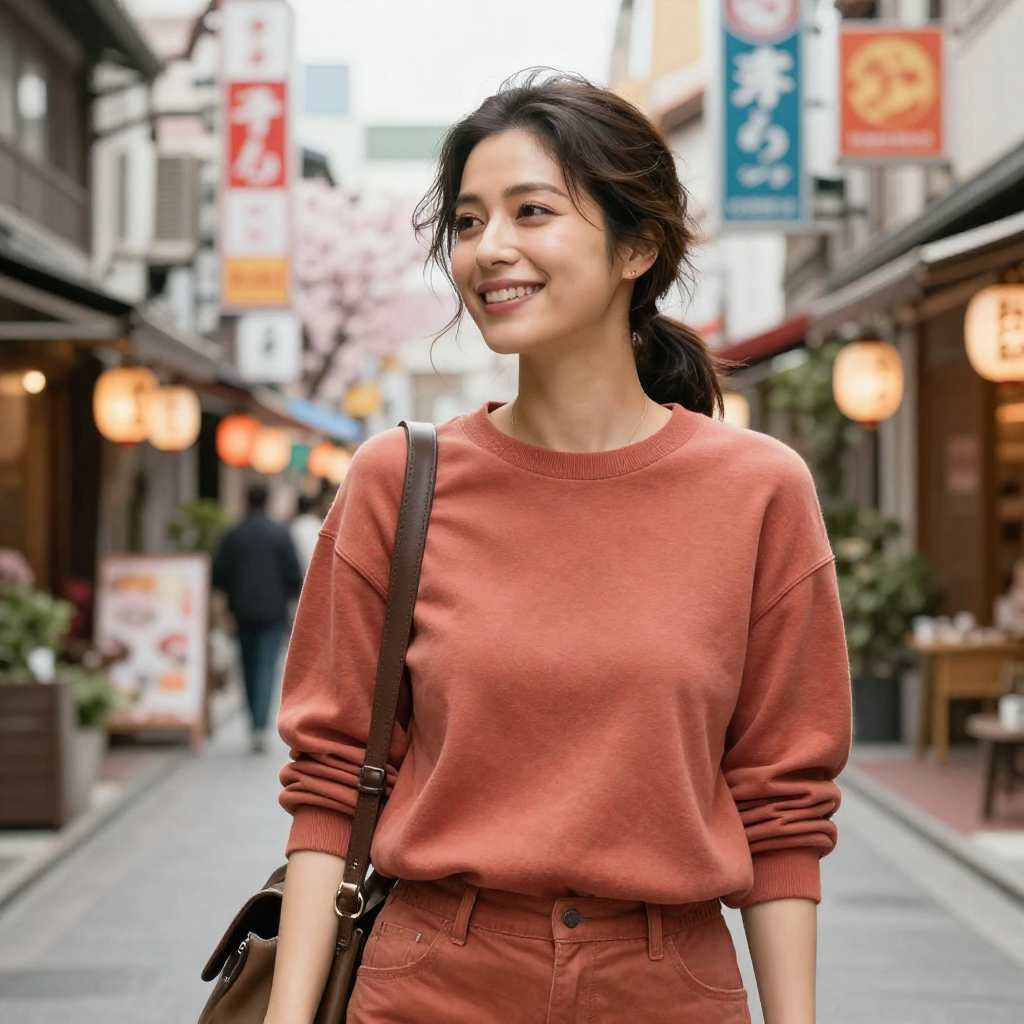
Art markets in Tokyo show up quietly, usually on a Saturday, in a park or riverside plaza you pass every week without thinking twice about it.
What makes Tokyo’s art markets different
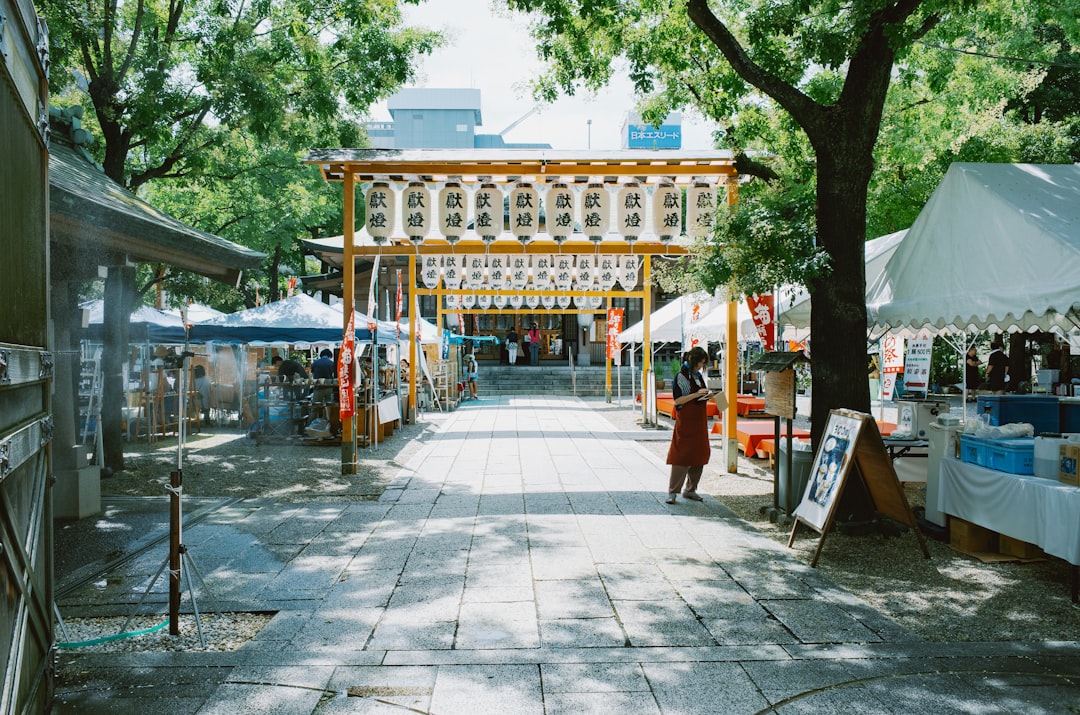
Tokyo is a city of careful curation. Even its street-level creative events reflect that. Art markets here are not random garage sales. Vendors apply to participate, and organisers select for quality and variety. You will find original illustration prints, hand-bound notebooks, ceramic pieces, and textile work displayed on clean folding tables under matching canopies.
The atmosphere is relaxed but focused. Buyers take their time. Artists explain their process if you ask, and most of them want you to ask. Coming on a weekday morning, when crowds are thin, gives you space to have real conversations.
1. Yoyogi Park creative market
Yoyogi Park hosts one of the most consistent open-air creative markets in the city. The market occupies a flat, shaded section near the central events area. Illustration vendors are well represented, and you will regularly find small-press zines alongside original paintings and printed fabric goods.
Access is simple. The park sits directly between Harajuku and Yoyogi stations, so you can combine a market visit with a walk through the surrounding neighbourhood. Bring cash. Most independent vendors do not accept card payments, and ATMs inside convenience stores nearby are easy to find.
2. Koenji illustration and craft fair
Koenji has a long reputation as Tokyo’s creative neighbourhood, and its periodic open-air illustration fairs match that identity. The market typically runs along a stretch of space near Koenji Station, with vendors selling hand-drawn prints, risograph posters, and original character art.

The crowd here leans younger and more independent than at bigger commercial fairs. Prices are generally very accessible. A framed A4 illustration print often costs between 1,500 and 3,000 yen, which makes this a good market if you want to buy something original without a large budget. Bring an eco bag because most vendors use minimal packaging.
3. Shimokitazawa open-air market days
Shimokitazawa is well known for vintage clothing, but its open-air market days also draw strong illustration and handmade craft vendors. The market spreads across several small outdoor areas near the south exit of Shimokitazawa Station. Each vendor spot is small, which makes the overall market feel intimate and easy to navigate.




Many vendors here are designers who also run small online shops, so you can often scan a QR code to follow their work after you leave. The market runs on weekends and some public holidays. Check the official Shimokitazawa area event calendar before you go, because dates shift slightly each month.
4. What experienced Tokyo art market visitors say
Open-air art markets in Tokyo reward people who slow down. The city moves fast all week, and these markets exist at a completely different pace. You are not just buying a print or a piece of ceramics. You are having a direct exchange with someone who made the thing in front of you. That exchange matters more here than the transaction itself. The markets near residential neighbourhoods, places like Koenji, Yanaka, and Shimokitazawa, tend to attract vendors who are deeply embedded in the local community. They come back season after season. They know the other vendors. That continuity creates a quality of event that large commercial fairs simply cannot replicate. For anyone new to Tokyo, these markets are one of the most honest ways to understand what creative life in this city actually looks like.
Industry perspective, art market and independent creative community professionals in Tokyo
5. Ueno Park and the Komogomo art market
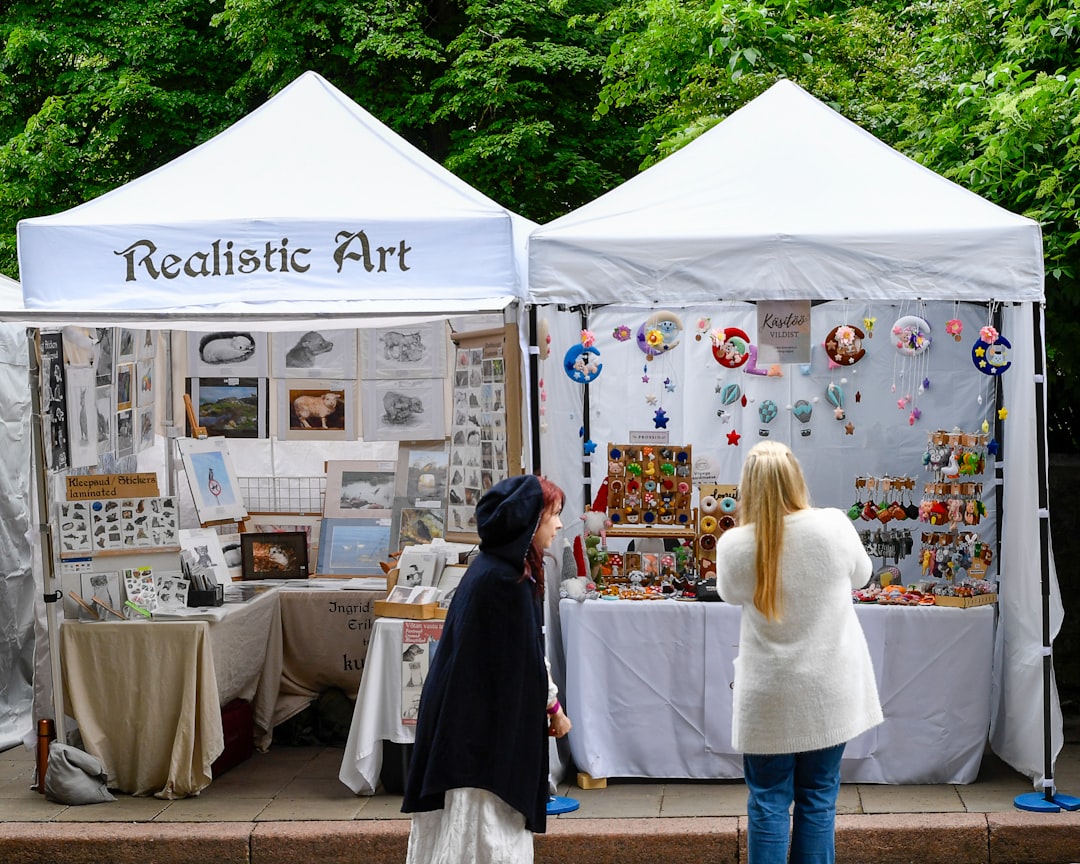
Ueno Park is one of Tokyo’s most visited public spaces, and it hosts open-air art events throughout the year. The Komogomo market, organised by graduates of Tokyo University of the Arts, uses Ueno Park as its base. Organised by graduates of Tokyo University of the Arts, Komogomo is an art event that offers exhibitions, concerts, and workshops. The market’s main goal is to help emerging artists display their work and to build a community between artists and their audiences.
The location inside Ueno Park means you can combine a market visit with a stop at one of the nearby museums on the same day. The scale is manageable. You can see everything in 90 minutes and still have time for a meal in the Ueno area before or after.
6. Tennozu Isle and the Meet Your Art market zone
The Tennozu Isle area in Shinagawa offers a very different setting from the park-based markets. The Meet Your Art Festival is held in the Tennozu Canal area of Tokyo, centred around Terada Warehouse, and is described as one of the largest art festivals in Japan. The market section brings together over 80 carefully selected exhibitors from across the country, focusing on art, crafts, and food.
The waterfront setting makes this one of the most photogenic markets in the city. The industrial warehouse architecture behind the vendor tables creates a strong visual contrast with the handmade and illustrated goods on display. Arrive early because parking near Tennozu Isle is limited and trains fill up on event days.
7. Yanaka and the Yanesen neighbourhood market
Yanaka is one of the few Tokyo neighbourhoods that kept its low-rise, shitamachi character. Its small open-air market days draw illustration vendors and traditional craft sellers who prefer a quieter setting. The market spreads through the covered shopping street and spills into side alleys near Yanaka Cemetery.
This is a good choice if you want a slower, more neighbourhood-focused experience. Vendors here often sell work that connects to Japanese traditional visual culture, including woodblock-style prints and hand-lettered goods. The neighbourhood also has several independent cafes where you can sit and look through your purchases without feeling rushed.

Before summer closes, visit the art markets
Tokyo’s art markets are accessible, affordable, and genuinely worth your time. Whether you visit 1 or all 7, you will leave with something you cannot buy online and a clearer picture of the creative community that keeps this city interesting. Art markets connect buyers directly to makers, and in a city this large, that directness is valuable. Mark 2 or 3 on your calendar now, before the summer festival season closes and the outdoor event schedule shifts to autumn.
Discover more about art markets
- Go Tokyo: Autumn Art Event Guide
- Tokyo Art Beat: Art Events and Exhibitions
- Tokyo Weekender: Best Events in Tokyo in August