Cold water Tokyo is not a trend borrowed from abroad. It is a practice already written into the city’s oldest daily rituals, waiting quietly inside neighborhood bathhouses and public pools for those who choose to begin their day with intention.
Why cold water belongs in your morning ritual
Tokyo moves with extraordinary precision. Its rhythms reward those who prepare well. A cold water plunge before the city wakes up offers more than a physical shock. Cold water exposure has gained increasing popularity as a self-applied intervention for improving mental health and psychological well-being. Starting your morning this way connects the body to a clear, deliberate act. It creates a boundary between sleep and the demands of the day.
This is where French and Japanese sensibilities meet beautifully. Both cultures believe that small, repeated acts of care produce lasting beauty in a life. The morning cold water practice fits this shared belief perfectly. It asks nothing elaborate. It requires only water, a little courage, and a consistent time on the calendar.
When cold water swimming is practiced by experienced people with good health in a regular, graded, and adjusted mode, it appears to bring health benefits. The word “graded” matters here. You begin gently. You build over weeks.
The sento: Tokyo’s original cold water ritual space
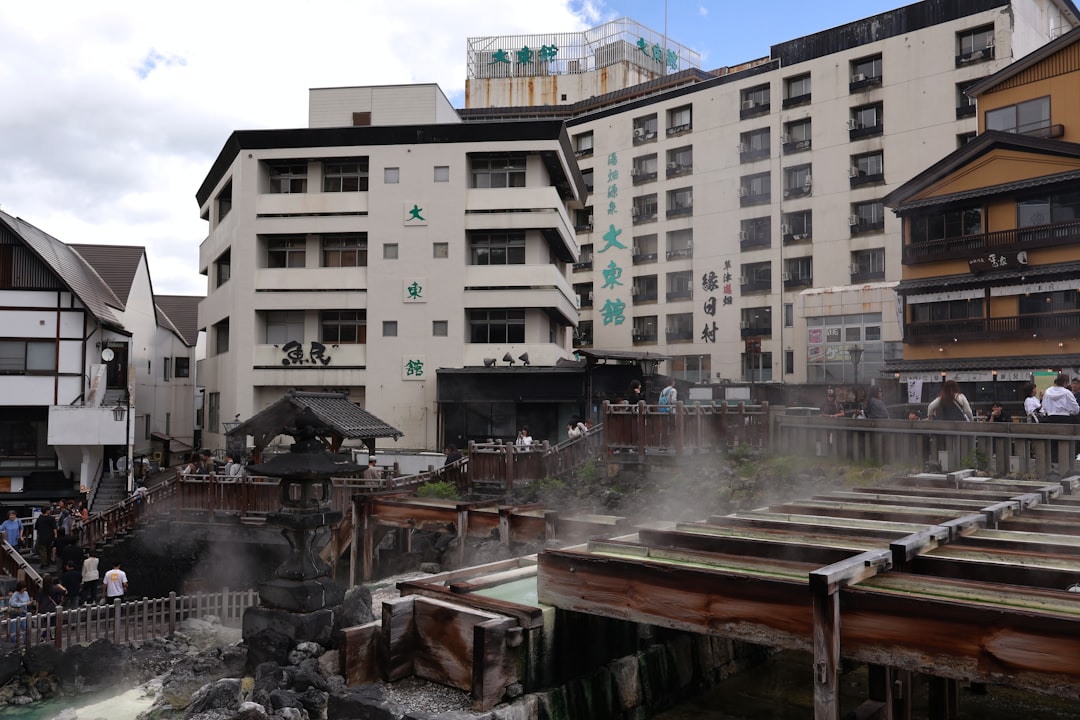
The origins of sento can be traced back to the 6th century when Buddhism introduced purification rituals to Japan. Initially found in temples, public baths gradually spread to serve the general population. This long history means that cold water immersion in Tokyo is not a recent wellness import. It is a practice with deep local roots.
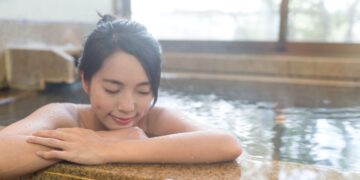
The mizu-buro (冷水風呂) is the cold water bath found in many sento, with temperatures ranging from 10°C to 15°C. It is recommended after a hot bath to tighten the skin’s pores and prevent dizziness caused by heat. This contrast between hot and cold is the foundation of the sento experience. The hot phase dilates blood vessels and increases circulation, while the cold phase constricts vessels. The alternation is believed to create a vascular “pumping” effect.

The remaining bathhouses have evolved into relaxing spaces with thoughtful design, saunas, cold plunges, and even post-bath refreshments, without losing the neighborhood warmth that makes them special. Many are open early enough to support a true morning practice.
How to build your cold water morning routine in Tokyo
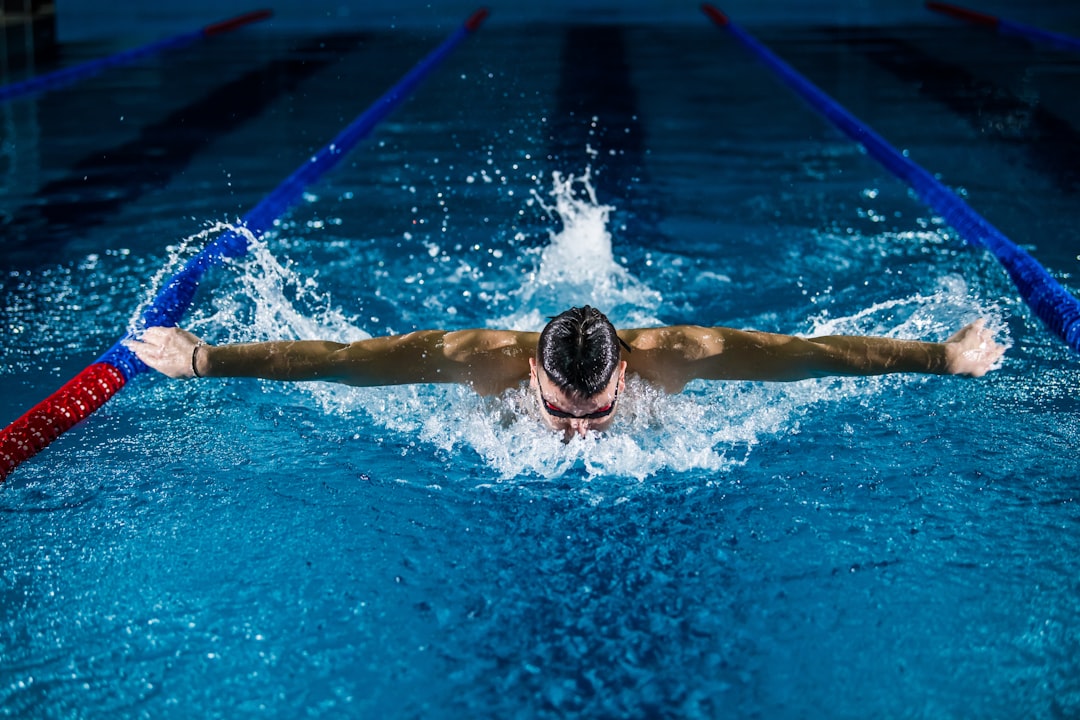
Begin by choosing a venue that opens before 8:00. Several sento across the 23 wards open early for committed regulars. Within more than 100 public pools in Tokyo’s 23 wards, many open their lanes by 6:30 on weekday mornings. The Tokyo Metropolitan Gymnasium pool in Sendagaya, Shibuya ward, is a reliable choice. It offers choices of 25m or 50m pools with water temperatures that are conducive to lap swimming. Entry costs only ¥700 for up to 2.5 hours, and that fee includes access to additional facilities.
For those who prefer the sento format, the structure is simple. Warm up in the sauna or hot bath first. Then cool down with a cold plunge. Then take a rest. Most sento have recliners or relaxation spaces built into the bathing area. Many regular bathers repeat this cycle 2 or 3 times before dressing and beginning their day.
Pack the right items each morning. Bring your own swimsuit, swim cap, and towel. There are no rentals at most public pools. Soap and shampoo can be used during showers, but you must bring them with you. Keep your bag minimal and beautiful. A small linen pouch, a good soap, a compact towel. The preparation itself becomes part of the ritual.
Expert perspective on cold water and well-being in Tokyo
Tokyo’s bathing culture offers something that modern wellness trends rarely provide: a community context for a physical practice. The sento is not simply a place to get cold. It is a place where the body is treated with seriousness and care, surrounded by neighbors doing the same. The cold plunge works partly because it demands full presence. You cannot be distracted in 13°C water. This total attention, repeated each morning, trains the nervous system in a way that carries into the rest of the day. Research now supports what sento regulars have long understood: contrast bathing creates measurable physiological responses that support circulation, mood, and recovery. The practice is accessible, affordable, and built into Tokyo’s infrastructure. The only step is choosing to use it.
Wellness and bathing culture industry perspective, Tokyo
Choosing the right sento for your practice
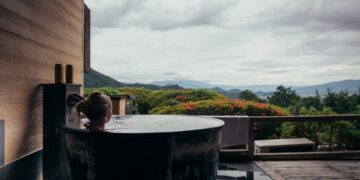
Tokyo currently has around 430 sento, and several districts offer particularly good options for a morning cold water practice. In Sumida ward, Daikoku-yu near Oshiage station is well regarded. Established in 1949, Oshiage Daikoku-yu is an atmospheric, gender-separated sento not far from the Tokyo Skytree. The public bathhouse has outdoor baths with high walls. The outdoor element adds a sensory dimension to the morning cold water experience.
In Meguro ward, Bunkayokusen offers a more contemporary space. The low-lit and quiet rest space for chilling out after a cold plunge is a significant advantage, as most public sento do not have one. This makes it ideal for those who want to sit quietly after their plunge and arrive at work with calm already in the body.
Some sento have embraced the ongoing sauna boom, adding or upgrading saunas and cold plunge pools to draw health-conscious younger crowds who are drawn to “totonou,” the meditative calm achieved after alternating hot and cold. This Japanese concept maps closely onto the French idea of “se ressourcer,” to restore the self through deliberate rest.


Etiquette and practical notes for every visit
Respecting sento etiquette is essential. The rules are not complicated, but they are consistent. Always shower off sweat after exiting the sauna and before entering the cold bath. Keep your small towel out of the water at all times. Speak quietly. Move slowly. These are the same values that govern a good French table or a Japanese tea ceremony. The form is the respect.
Many public baths still display “no tattoos” signs. However, in practice Tokyo is becoming more lenient. Always check each venue’s policy before your first visit. Stay well hydrated. Drink water before and after, and if you bring a bottle, keep it in the designated area outside the bath rather than beside the tubs.

For pools, remember the standard requirements. Cover tattoos with a rash guard or bandage and bring a swim cap and goggles. No watch or jewelry is allowed. Arrive a few minutes early to settle in before the lanes fill.
Begin your cold water Tokyo practice today
A cold water Tokyo morning routine is one of the most accessible well-being decisions you can make in this city. The infrastructure already exists. The tradition is centuries old. The science supports the practice. You need only a swim cap, a small towel, and the decision to arrive before the rest of the world has fully woken up. Start with 30 seconds in the cold plunge. Add 10 seconds each week. Let cold water become the first beautiful and intentional act of every day. Tokyo has offered this to its people for centuries. It is yours to use.
Discover more about cold water
- Tokyo Metropolitan Gymnasium Pool (Official)
- Public Baths in Tokyo, Japan-Guide.com
- Cold-Water Immersion: Effects on Health and Wellbeing, PMC Systematic Review 2025