Kissa culture is one of the quietest things happening in Tokyo right now, and it is worth paying attention to.
What kissa culture actually means
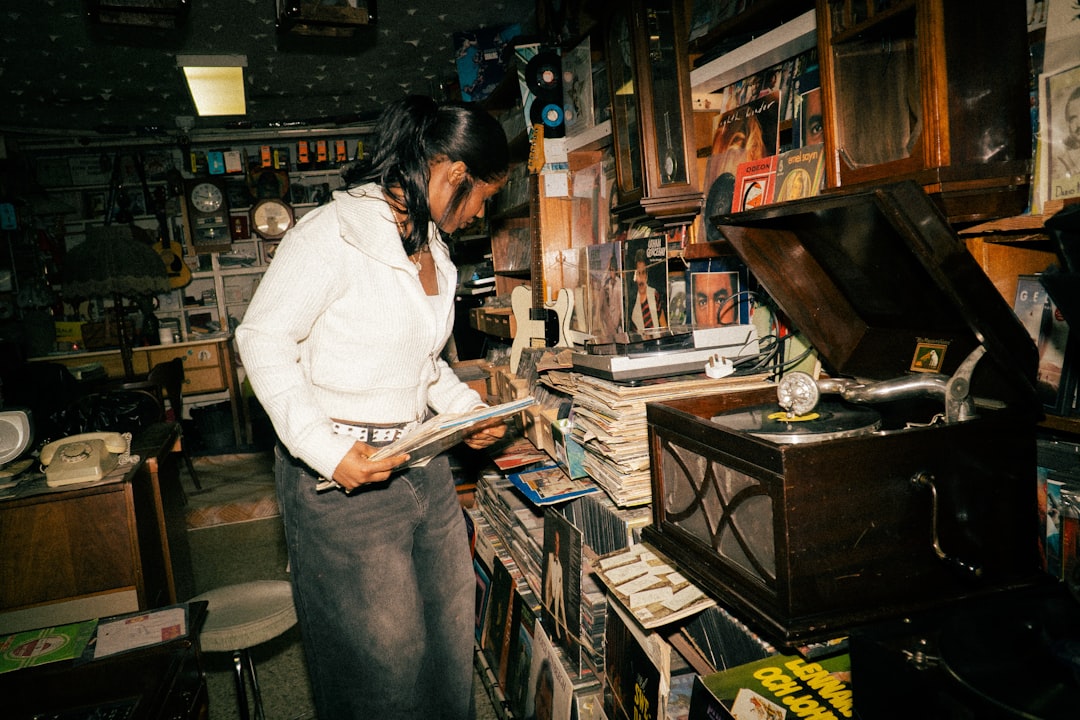
The ongaku kissa, or “music café,” is a unique Japanese style of coffee shop that originated in the 1920s for listening to music on vinyl records. Music is not background noise in these spaces. It is the star of the room. The word kissa comes from kissaten, the Japanese word for coffee house, but the concept grew into something much more deliberate than a regular café.

In Japan, jazz kissa, or music cafés, are part of a long-standing subculture. Rooted in the ritual of deep listening, these spaces bring music back to the centre of the room, cultivating a shared sensory experience. You sit, you order a drink, and you listen with intention. That core idea is what makes kissa culture so different from any other bar or café experience in Tokyo.
Typically small and intimate, these venues are run by passionate and knowledgeable owners, where music is played on high-end audio sound systems. Some allow quiet conversation. Some do not. All of them treat sound with a level of seriousness that most Western bars never consider.
How kissa culture survived 100 years
The first jazz kissa is said to have been Tokyo’s Black Bird, established in 1929. The phenomenon grew rapidly in popularity and reached the height of its glory in the late 1930s, until jazz and other forms of culture from the enemy were prohibited during World War II. After the war, the tradition returned stronger than before.
Jazz kissa took hold in post-war Japan, when imported American records were expensive and apartment walls were thin. A kissa was somewhere a fan could hear the latest Coltrane or Monk LP at a volume they could never play at home, on a stereo they could never afford, all for the price of a coffee. This practical purpose gave the kissa its loyal audience.

By the 1970s, as the Japanese hi-fi industry surged, those kissas became laboratories. Owners invested in the latest amplifiers, hand-built speakers, and precision turntables. Listening was not just about music, but about technology as a form of artistry. Over time, shifts in technology, such as the invention of the Walkman and car stereos, saw some kissa fall out of fashion and close their doors. But they never disappeared entirely.
Why the revival is happening now
The 21st century has seen a minor revival of jazz kissas and their culture. The late 2000s and 2010s brought renewed interest in analogue music formats and all things retro. Vinyl records made a comeback worldwide, and Japan was no exception. For many younger music fans accustomed to digital convenience, the act of unplugging in a vintage café to really listen holds a novel appeal.
Some observers tie it to a broader “Showa era retro boom,” a nostalgia for the mid-20th century lifestyle as a counterbalance to our hyper-digital age. That feeling is especially strong in Tokyo, where daily life moves at a relentless pace. A room that asks you to sit still and simply listen feels almost radical by comparison.
Right now, venues like these, which are called ongaku kissa, or “music cafés,” are seeing something of a revival both inside and outside of Japan. Listening bars have grown in popularity in recent years, and a documentary series is now the first feature-length work to focus on the people behind the global phenomenon. Tokyo started this movement, and Tokyo remains its centre.
An industry perspective on kissa culture
Kissa culture has always survived because of one simple reason: Japanese people want to hear music in the best possible way, and they want to hear it on these sound systems. The emphasis on sound quality, the devotion to vinyl, the sense that music deserves focus rather than distraction, all of it flows from the kissa tradition. The modern listening bar is softer and more social, but it carries the same core principle: music first, everything else second. What makes Tokyo singular is its blend of rigour and atmosphere. These bars are not temples of audiophile listening alone. They are social spaces where whisky is poured and conversation murmurs, but all of it happens within the frame of listening.
Industry perspective, vinyl and listening bar culture professionals in Tokyo
Where to find the best listening bars in Tokyo
Tokyo has several strong options across different neighbourhoods, and each one suits a different kind of visit. For a pure, historic kissa experience, Meikyoku Kissa Lion in Shibuya is perhaps Tokyo’s oldest hi-fi classical music café, originally built in 1926 by Yanosuke Yamadera, who used a background in architecture to craft a space designed to enhance the listening experience. The towering custom wood speaker setup faces high-backed wood and velvet chairs, creating a reverent atmosphere. Guests can make requests from a collection of thousands of records, except during afternoon hours when staff play curated concerts.



For jazz specifically, just west of Shinjuku’s centre in the Yotsuya area, Eagle was founded in 1967 by jazz critic Masahiro Goto, who still shapes its selections. The collection runs to roughly 4,000 vinyl records and 7,000 CDs. The sound comes through JBL 4344 MkII speakers, loud and immersive. The house rule reflects its purist roots: conversation is not allowed from 11:30am to 6:00pm, when the room is in full listening mode.
For a newer style of kissa experience, CAVE, set below street level in Shibuya, pairs high-fidelity vinyl with the atmosphere of a neighbourhood bistro. The space is intimate and dimly lit, where sound fills the room without overwhelming it. It balances serious listening with a sense of warmth and ease. A few minutes from Shimokitazawa Station, Little Soul Cafe has welcomed music lovers since 1999. The narrow, warmly lit room holds more than 15,000 records, a lifetime collection that the owner began as a student. The nightly soundtrack ranges across soul, funk, jazz, city pop, and more.
Before you visit, check the exact address, floor, opening hours, and whether the venue is cash-only. Many listening bars are hidden in basements, upper floors, or modest multi-tenant buildings. They reward the effort, but they do require a little planning.
Kissa culture is worth your time
Kissa culture gives Tokyo residents something that is genuinely rare: a shared experience built around attention rather than distraction. From early jazz kissa to contemporary listening bars, Japan has shaped a culture where music is not simply played, but experienced. These spaces remind us that listening can be more than passive consumption. It can be intentional, immersive, and transformative, a way of slowing down, reconnecting, and finding inspiration in sound. If you live in Tokyo and have not yet spent an evening inside a listening bar, kissa culture deserves a place in your regular rotation. Start with 1 venue, arrive early, and let the music do its work.

Discover more about kissa culture
- Why Gen Z Is Trading Night Clubs for Japanese-Style Listening Bars (Smithsonian Magazine)
- Tokyo Listening Bars: The Origin and Apex of Audiophile Nightlife (Tracks & Tales)
- A Guide to Tokyo Jazz Kissa and Listening Bars (Sensory Journal)