CONTACT
  • Login
Upgrade
TOKYOwebzine
Advertisement
  • Home
    • Our Authors
    • Media Kit
    • Contact
    • Cookie Policy
    • Terms and Conditions
  • News
  • Business
  • Lifestyle
    • Beauty
    • Kids
    • Sustainable living
    • Well-being
    • Sports
    • Creativity
  • Culture
  • Gastronomy
  • Travel
  • Global Tokyo
  • Insights
  • Local Guide
    • Activities in Tokyo
    • Hotels in Tokyo
    • Nightlife in Tokyo
    • Restaurants in Tokyo
    • Services in Tokyo
    • Shopping in Tokyo
  • Home
    • Our Authors
    • Media Kit
    • Contact
    • Cookie Policy
    • Terms and Conditions
  • News
  • Business
  • Lifestyle
    • Beauty
    • Kids
    • Sustainable living
    • Well-being
    • Sports
    • Creativity
  • Culture
  • Gastronomy
  • Travel
  • Global Tokyo
  • Insights
  • Local Guide
    • Activities in Tokyo
    • Hotels in Tokyo
    • Nightlife in Tokyo
    • Restaurants in Tokyo
    • Services in Tokyo
    • Shopping in Tokyo
No Result
View All Result
TOKYOwebzine
No Result
View All Result
Home Luxury Lifestyle Sustainable living

Minimalist Tokyo apartment guide

Small space, deep calm: how thoughtful design transforms a Tokyo apartment into a serene, sustainable home for every season.

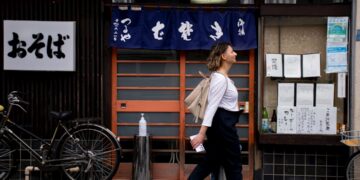
A woman in her minimalist Tokyo apartment, showing how thoughtful objects create a calm interior.

A minimalist Tokyo apartment holds a quiet promise: that less, chosen with care, becomes more than enough in a city that never stops moving.

Start with the philosophy, not the furniture

Good design in Tokyo begins with a question, not a purchase. Before you move a single object, ask what the space is truly for. In Japan, minimalism is a way of living that gives priority to simplicity, mindfulness, and harmony. This is not about emptiness for its own sake. It is about clarity. Every object you bring into a small space either serves the life you want or pulls attention away from it.
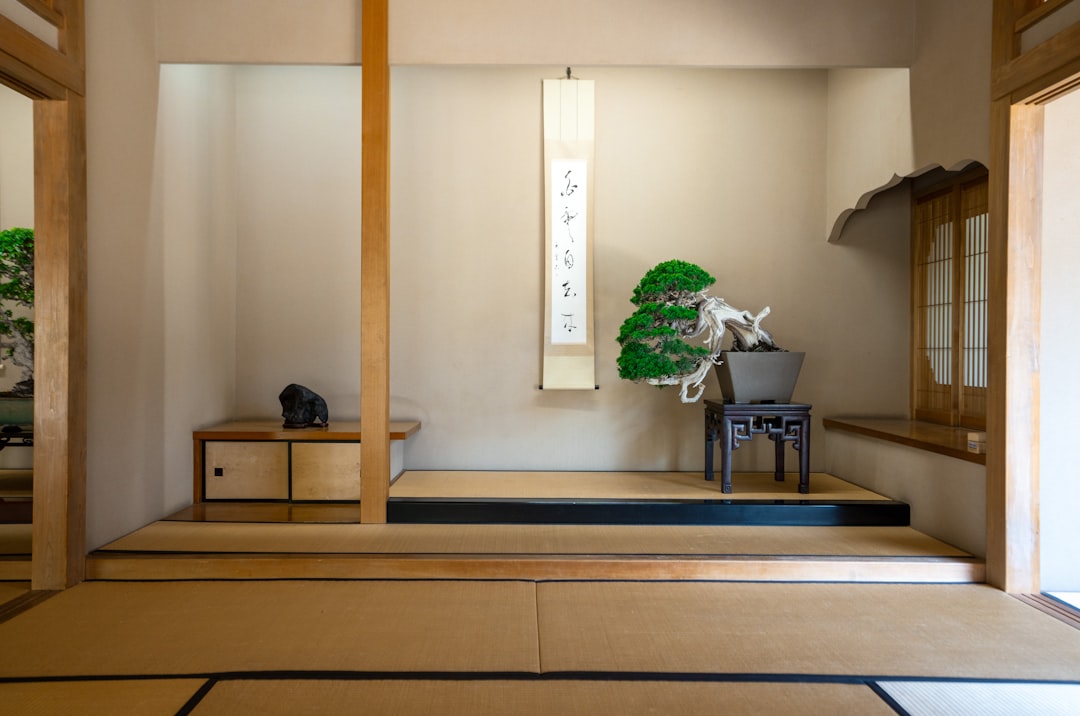
The Japanese concept of *mu* is a useful guide here. Mu means intentionally leaving something empty. This creates the minimalist, serene aesthetic that defines Japanese interiors, where space itself becomes a material. Think of an unoccupied corner near the window, a wall with a single ceramic piece, a floor with room to breathe. These choices are not decorations. They are decisions about how you want to feel each morning.

Begin by removing what you do not use. Then consider what remains. Only after that should you choose what to add.

Choose materials that serve both beauty and climate

Tokyo apartments with the most serene interiors share muted colors and an abundance of wood, elements often associated with traditional Japanese interior design. These choices are not arbitrary. Wood absorbs sound. Pale surfaces reflect light. Natural materials respond to the seasons in ways that synthetic ones cannot.

Shikkui, the traditional lime plaster used on interior and exterior walls, naturally regulates humidity and has antimicrobial properties. In Tokyo’s humid summers, this matters enormously. A wall that breathes reduces the need for mechanical cooling. A floor in pale birch or maple keeps the room feeling open even when space is limited. Whites, light greys, and pale woods reflect light and help blur the boundaries of the walls.

https://noornoor.biz https://noornoor.biz https://noornoor.biz

In the French tradition of *savoir-faire*, the quality of a surface speaks before any object does. Choose materials you can touch with satisfaction, materials that age with dignity and do not need to be replaced every few years.

Cool the space without cooling the planet

Tokyo’s 4 distinct seasons call for adaptable design, with cross-ventilation essential for humid summers and materials that breathe and endure. The good news is that a minimalist apartment is already easier to cool. Fewer objects mean less heat absorption and more air movement between rooms.

Open layouts and cross-ventilation features are designed to keep the home comfortable in Japan’s humid summers. Position your furniture to allow air to move freely from window to window. Keep at least 1 pathway clear from the main window to the opposite wall. Close interior doors only in rooms that are not in use, so that natural breezes can reach the spaces where you spend your time.

Traditional shoji screens and engawa spaces naturally moderate temperature and airflow, reducing the need for mechanical heating and cooling. Even in a modern apartment, lightweight textile panels on a track can replicate this effect. They filter strong afternoon sun, soften the quality of light, and reduce heat without blocking air movement entirely.
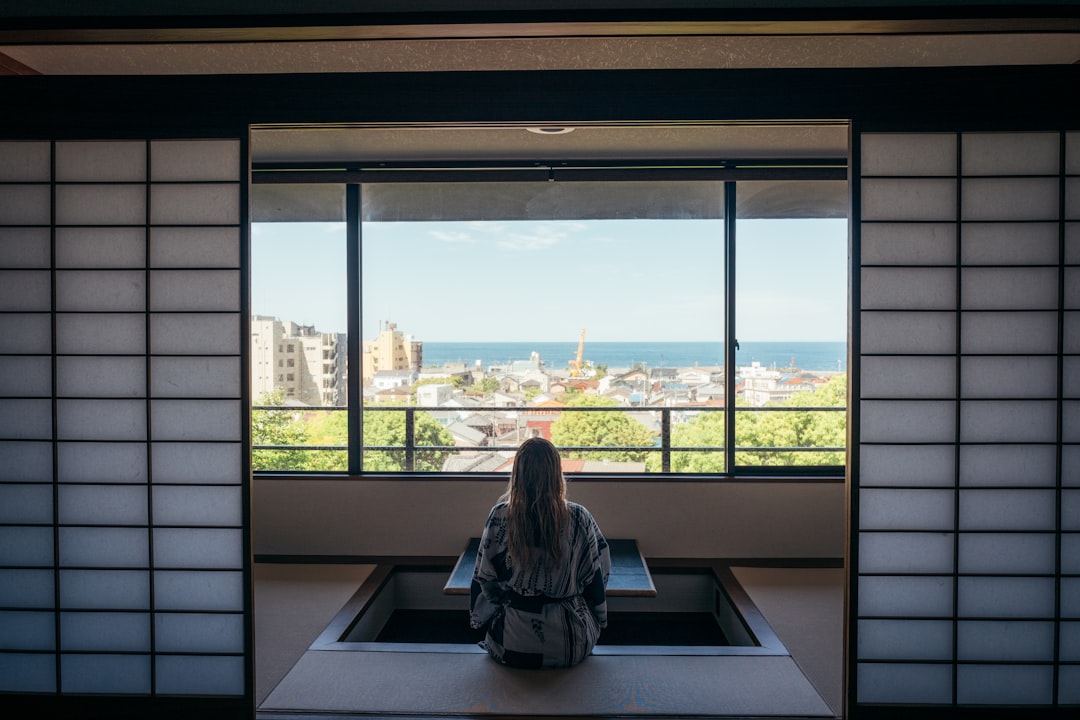
A person slides open a shoji screen to let morning light into a minimalist Tokyo apartment

Expert perspective on design and daily wellbeing

A minimalist Tokyo apartment is rarely just an aesthetic project. It is a behavioral one. When residents remove excess objects and introduce natural materials, we observe measurable changes in daily stress levels and sleep quality. The absence of visual noise allows the nervous system to recover after a long day in the city. The key is consistency: the same palette, the same textures, the same gentle morning light. Ritual reinforces this calm. A small ceramics collection near the kettle, a single plant on the sill, a specific place for shoes at the entrance. These micro-decisions teach the home what kind of life you intend to live inside it. That is why minimalism in Tokyo is not a trend. It is a form of ongoing practice.

Industry perspective, interior design and wellbeing professionals in Tokyo

Build storage that disappears into the walls

Hidden storage is essential for maintaining a clean and organized home, especially in small apartments where visible clutter can overwhelm the space. The goal is not to own less, but to ensure that what you own has a precise, invisible home. When every item returns to its place at the end of the day, the apartment resets to calm automatically.

Custom-built cabinets maximize awkward spaces, such as under staircases or along walls. Floating shelves above desks, beds, or doorways keep items accessible but off the floor. Wall-mounted units eliminate the visual weight of freestanding furniture and make a room feel taller. Low-profile furniture creates the illusion of taller ceilings and more open space. A platform bed, kept low, visually elongates the room.

Think of storage as architecture, not as a solution to excess. Design it before you move in, not after you have accumulated more than the space can hold.
houseplant beside a window in her minimalist Tokyo apartment, practicing the daily ritual that keeps the space calm and alive

Build a daily ritual that maintains the space

A minimalist apartment does not stay calm by itself. It stays calm because of what you do each day. When you have fewer things, you have less cleaning to do and more time to enjoy the space itself. But the ritual matters as much as the reduction.


-

A woman wearing pieces from her capsule wardrobe made of natural-dye Japanese textiles

Capsule wardrobe with Japanese textiles

28/08/2026
A woman in Tokyo carefully practising furoshiki wrapping with a patterned square textile

Furoshiki wrapping: Tokyo shops and workshops

24/08/2026
A woman dressed in loose natural Japanese fabrics walks through a shaded Tokyo street on a hot August afternoon

Japanese fabrics for Tokyo’s August heat

17/08/2026
woman in a vintage yukata walks through a Tokyo street market, representing the beauty of yukata fashion during Obon season.

Tokyo’s Obon Revival: Vintage Yukata & Summer Kimono

15/08/2026
woman in a vintage yukata walks through a Tokyo street market, representing the beauty of yukata fashion during Obon season.

Tokyo’s Obon Revival: Vintage Yukata & Summer Kimono

14/08/2026
A woman arranges a traditional sudare bamboo blind in her Tokyo apartment to reduce heat

Electricity bill cuts for Tokyo apartments

29/07/2026

Borrow from the Japanese practice of *osoji*, the deep seasonal clean. 69% of Japanese people planned osoji for the 2025 year-end, with people in their 20s showing the highest interest at 76%. Apply this same seasonal logic to your apartment throughout the year. Each change of season is an opportunity to reassess what belongs. Remove 1 object for every new one that enters the space.

Houseplants are natural air filters, taking in carbon dioxide and releasing oxygen. As a bonus, they are a sustainable and living way to bring warmth to an interior. Place 1 or 2 plants with intention rather than filling every surface. A single *kokedama* moss ball near the sink or a thin-leafed fern on the bathroom shelf adds life without adding noise.

A calm home is a practice, not a destination

A minimalist Tokyo apartment rewards patience and small, consistent decisions. Start with what you can remove. Then focus on how air moves through the space. Choose materials that age well, store with precision, and build rituals that reset the home each day. Minimalism encourages sustainable habits, reducing waste and lowering your carbon footprint. In Tokyo, where space is precious and the city itself is relentless, a minimalist Tokyo apartment becomes the quietest, most generous gift you can give yourself.

Discover more about minimalist Tokyo apartment

  • Making Housing More Sustainable in Tokyo (Tokyo Metropolitan Government)
  • Sustainable and Eco-Friendly Housing in Japan: A Complete Guide (Japan Living Life)
  • Modular Homes, Anti-Consumption and Portable Lifestyles for Zillennials in Tokyo (Yuzu Kyodai, 2026)

author avatar
Camille Dufour
Camille Dufour left Paris for Tokyo on a photography assignment and never went back. Nine years later, she writes about the city's extraordinary lifestyle scene: from Harajuku's avant-garde fashion to the meditative rituals of a traditional Tokyo bathhouse. Her work celebrates the surprising harmony between French and Japanese aesthetics, two cultures that share a deep reverence for craft, gastronomy, beauty, and daily ritual.
See Full Bio
Previous Post

Kagurazaka ryokan adapts for August heat

Next Post

Art markets in Tokyo worth visiting now

Related Posts

A woman wearing pieces from her capsule wardrobe made of natural-dye Japanese textiles
Sustainable living

Capsule wardrobe with Japanese textiles

28/08/2026
A woman in Tokyo carefully practising furoshiki wrapping with a patterned square textile
Sustainable living

Furoshiki wrapping: Tokyo shops and workshops

24/08/2026
A woman dressed in loose natural Japanese fabrics walks through a shaded Tokyo street on a hot August afternoon
Sustainable living

Japanese fabrics for Tokyo’s August heat

17/08/2026
woman in a vintage yukata walks through a Tokyo street market, representing the beauty of yukata fashion during Obon season.
Sustainable living

Tokyo’s Obon Revival: Vintage Yukata & Summer Kimono

15/08/2026
woman in a vintage yukata walks through a Tokyo street market, representing the beauty of yukata fashion during Obon season.
Sustainable living

Tokyo’s Obon Revival: Vintage Yukata & Summer Kimono

14/08/2026
Next Post
illustration prints displayed on a table at one of the popular art markets in Tokyo on a sunny weekend morning.

Art markets in Tokyo worth visiting now

Leave a Reply Cancel reply

Your email address will not be published. Required fields are marked *

No Result
View All Result

Our Focus

TOKYOwebzine is your international window on Tokyo: lifestyle, business, culture, sports and events for a global audience drawn to the city's unique blend of tradition and innovation.

Our Readers

TOKYOwebzine addresses readers who engage with Tokyo at a high level: professionally, financially, strategically, and as decision-makers in their fields.

Our Approach

Lifestyle, design, and culture are integrated as context and indicators of economic precision, creative depth, and Japan's enduring global influence, not standalone entertainment.

Recent Post

  • Mt Fuji climbing: what hikers must know
  • Gluten-free izakaya: Tokyo guide

© 2026 TOKYOwebzine by NOOR & NOOR — part of WEBZINE.world.

Welcome Back!

Login to your account below

Forgotten Password?

Retrieve your password

Please enter your username or email address to reset your password.

Log In
Manage Consent
To provide the best experiences, we use technologies like cookies to store and/or access device information. Consenting to these technologies will allow us to process data such as browsing behavior or unique IDs on this site. Not consenting or withdrawing consent, may adversely affect certain features and functions.
Functional Always active
The technical storage or access is strictly necessary for the legitimate purpose of enabling the use of a specific service explicitly requested by the subscriber or user, or for the sole purpose of carrying out the transmission of a communication over an electronic communications network.
Preferences
The technical storage or access is necessary for the legitimate purpose of storing preferences that are not requested by the subscriber or user.
Statistics
The technical storage or access that is used exclusively for statistical purposes. The technical storage or access that is used exclusively for anonymous statistical purposes. Without a subpoena, voluntary compliance on the part of your Internet Service Provider, or additional records from a third party, information stored or retrieved for this purpose alone cannot usually be used to identify you.
Marketing
The technical storage or access is required to create user profiles to send advertising, or to track the user on a website or across several websites for similar marketing purposes.
  • Manage options
  • Manage services
  • Manage {vendor_count} vendors
  • Read more about these purposes
View preferences
  • {title}
  • {title}
  • {title}
No Result
View All Result
  • Home
    • Our Authors
    • Media Kit
    • Contact
    • Cookie Policy
    • Terms and Conditions
  • News
  • Business
  • Lifestyle
    • Beauty
    • Kids
    • Sustainable living
    • Well-being
    • Sports
    • Creativity
  • Culture
  • Gastronomy
  • Travel
  • Global Tokyo
  • Insights
  • Local Guide
    • Activities in Tokyo
    • Hotels in Tokyo
    • Nightlife in Tokyo
    • Restaurants in Tokyo
    • Services in Tokyo
    • Shopping in Tokyo

© 2026 TOKYOwebzine by NOOR & NOOR — part of WEBZINE.world.

Are you sure want to unlock this post?
Unlock left : 0
Are you sure want to cancel subscription?
Verified by MonsterInsights
enEnglishja日本語