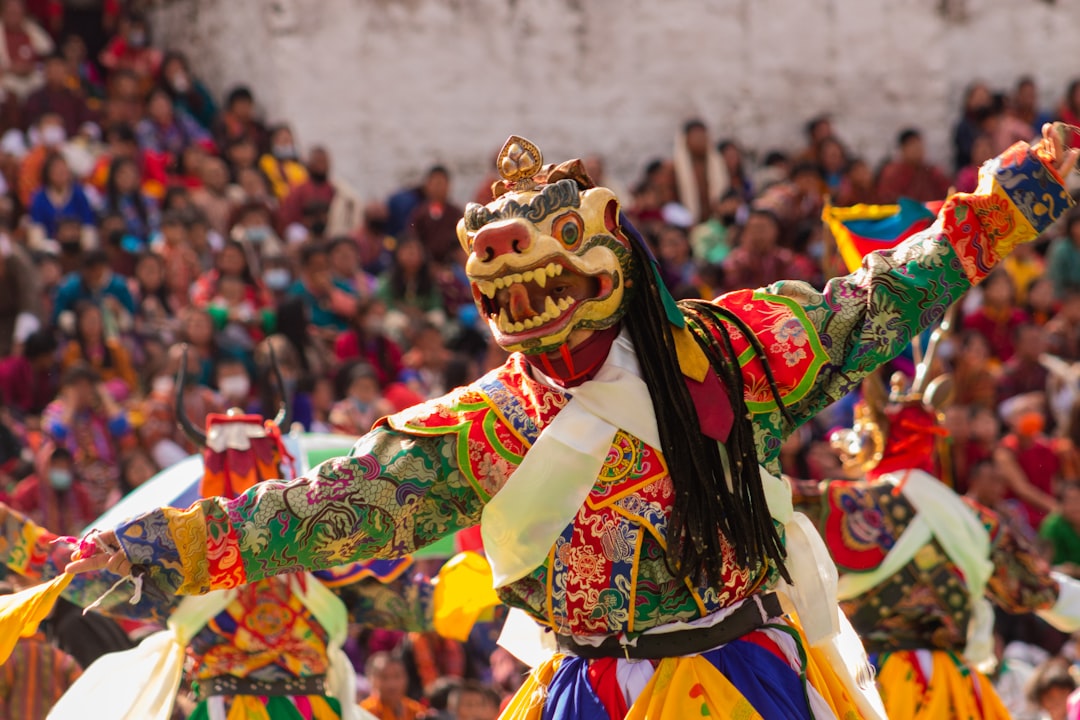
Obon season arrives quietly, but if you know where to look, it opens a door into Japanese community life that most expats never find.
What Obon season actually is
Obon is a Buddhist festival that celebrates the time when the spirits of ancestors are believed to return to Earth and be with their families. Originally a religious event to honour ancestors, Obon has evolved into a much-anticipated summer holiday in modern Japan. For international residents, that shift matters. It means the season is now as much about community as it is about remembrance.

Although Obon is not an official nationwide holiday, many companies close, trains overflow with travellers heading back to their hometowns, and city streets take on an almost dream-like calm. For foreign residents, the holiday is a window into Buddhist traditions and a chance to take part in some of Japan’s most welcoming local festivals.
In Tokyo, many neighbourhoods celebrate in mid-July, so you may encounter Bon Odori events earlier in the summer. Most of the rest of Japan follows the August dates. Knowing this difference helps you plan without missing the best local moments.
The closing rituals worth witnessing
In Japan, Obon generally lasts 4 days from August 13 to August 16. On August 13, people light “welcome fires” to invite ancestral spirits, and on August 16, they light “farewell fires” to send the spirits back.
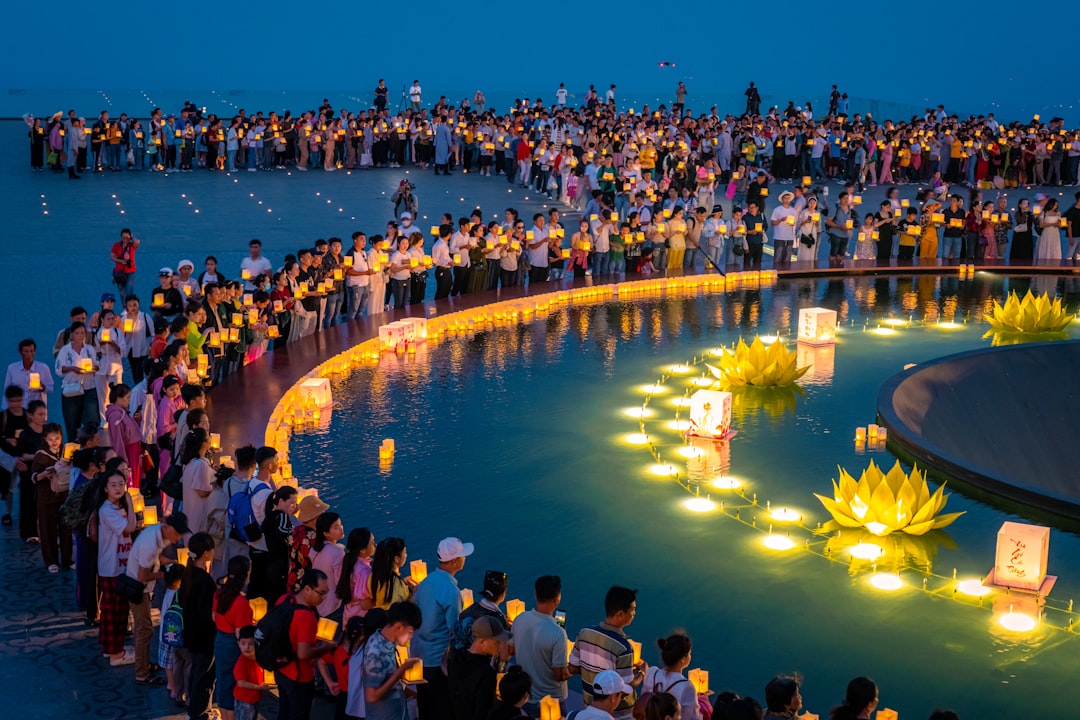
At the end of Obon, floating lanterns are put into rivers, lakes, and seas in order to guide the spirits back into their world. These send-off rituals are quiet and sincere. Attending one as a respectful observer is entirely appropriate, and many local residents appreciate that visitors take the time to show up.

The final day of Obon involves farewell ceremonies to send the ancestral spirits back to their world. Families light farewell fires (okuri-bi) at home entrances, mirroring the welcoming fires of the first day. Walking through a residential neighbourhood on this evening gives you a view of Tokyo that no guidebook quite captures.
Bon Odori: the dance that welcomes everyone
Perhaps the most visible and accessible part of Obon for visitors is the Bon Odori, or Obon dance. These are lively community gatherings, typically held in the evenings on the grounds of temples, shrines, or in local parks.
A special high wooden stage called a yagura is often erected in the centre, with musicians playing traditional music. Dancers in colourful yukata (light summer kimono) form a circle around the yagura, performing simple, repetitive dances. The purpose of the dance is to welcome and entertain the ancestral spirits.
The wonderful thing about Bon Odori is that everyone is welcome. The dances are easy to learn, and locals are often delighted to see visitors join the circle. You do not need a yukata. You do not need to speak Japanese. Just follow the person in front of you, and you are already part of the community.
Expert perspective on joining as an outsider
Living in Tokyo as a foreigner, you quickly notice that Obon season creates a specific kind of social opening that does not exist at other times of year. Neighbourhoods that can feel closed off to newcomers suddenly have open-air events where participation is the entire point. The Bon Odori circle is genuinely inclusive: the steps are repetitive by design, and long-term residents actively encourage first-timers to join. Local ward offices and community boards post event schedules well in advance, and many now publish bilingual information for international residents. The key is to approach these gatherings with curiosity and a willingness to stay for the whole event, not just take photos and leave. That sustained presence is what builds real connection with your neighbourhood. Community belonging in Tokyo is built incrementally, and Obon season is one of the fastest entry points available to expats.
Lifestyle and cultural integration perspective, international residents and community advisors in Tokyo
Specific Tokyo events and districts to visit
The Yasukuni Shrine Mitama Festival is one of Tokyo’s largest Obon events, held in Chiyoda. Around 30,000 lanterns illuminate the shrine grounds. The scale is extraordinary. Arrive before sunset to see the full effect as the lanterns begin to glow.
The Nishi-Ogikubo and Koenji area festivals are western Tokyo neighbourhood events that host lively, community-focused Bon Odori events with a relaxed atmosphere that is welcoming to expats and first-timers. The Ikebukuro Bon Odori, held near Ikebukuro Station, is a large urban festival that is easy to reach and very beginner-friendly.
Almost every neighbourhood has its own small event. Check your local ward office’s community board or search your ward name plus “盆踊り” in Japanese for local options. These smaller events are often the most genuine. You meet the same people who live 3 streets away from you.






Obon season: a genuine entry point into Tokyo life
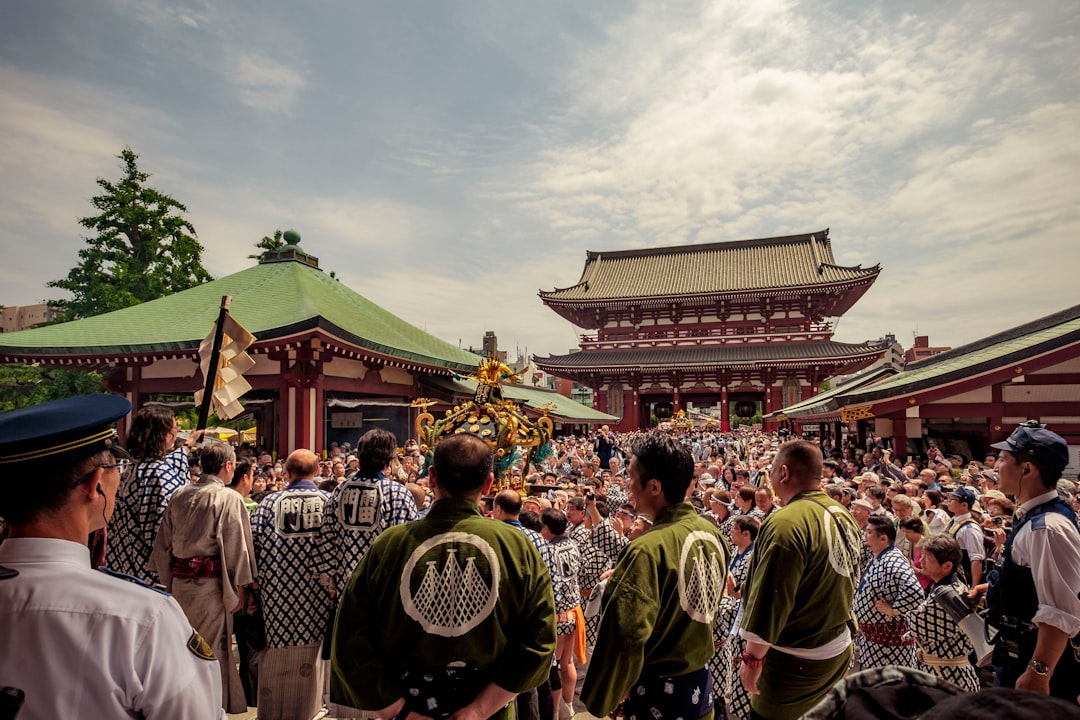
Obon season in Tokyo is not a tourist event. It is a real part of how this city lives, grieves, and celebrates together. For international residents, that distinction matters enormously. Joining a neighbourhood Bon Odori or standing quietly by a river as lanterns drift past is not cultural observation. It is actual participation.
Lighting a lantern or dancing under paper lamps turns abstract ancestry into lived community, a feeling that many foreigners find builds a deeper sense of belonging in Japan. Obon season gives you that opportunity every year. Use it. Show up to the event near your apartment. Learn 1 or 2 dance steps. Stay until the end. The connections you build during Obon season are often the most lasting ones you make in this city.

Discover more about Obon season
- Japan Guide: Obon Festival Overview
- Rakuten Travel: Complete Guide to Obon
- What’s On Japan: Obon 2026 Complete Guide