Furoshiki wrapping is one of those quiet Japanese arts that arrives in your life and gently changes everything, the way a perfectly folded cloth changes the feeling of a gift.
The origins of a living tradition
The origins of furoshiki wrapping reach back to the Nara period (710 to 794), when cloths called tsutsumi, meaning “wrap,” protected sacred temple objects. These early fabrics were valued for their ability to protect fragile items, reflecting Japan’s long-standing emphasis on safeguarding possessions. By the Muromachi period (1336 to 1573), the term furoshiki, which literally means “bath spread,” began to emerge. The name came from the practice of high-ranking bathhouse visitors who wrapped their belongings in cloths adorned with their family crests.
Today, furoshiki wrapping makes a strong comeback as a way to reduce plastic and waste. It is symbolic of the Japanese spirit: doing a great deal with very little, and combining beauty with practicality. This ancient tradition offers an elegant solution to sustainable living. Furoshiki wrappings are not only beautiful but reusable, and they reflect the Japanese principle of mottainai, a respect for materials and a regret for wasteful behavior.
Furoshiki has also gained attention due to a recent boom in Japan for all things traditional. Young people who want to connect with their heritage are learning and embracing classic Japanese crafts and customs. Furoshiki in particular is adopted by people in their 20s and 30s as a fashionable and meaningful item.
Where to buy furoshiki fabric in Tokyo
Musubi in Jingumae sells furoshiki in 3 standard sizes. The largest folds, twists, and knots into a roomy tote bag or even a child’s backpack. The smallest is ideal for making a carrying sack for a water bottle. The shop also offers staff assistance with basic techniques. You can walk in, choose a textile, and leave already knowing your first wrap.
When you wrap a gift in a furoshiki, the wrap itself becomes part of the present. A furoshiki is a square piece of fabric decorated with patterns that can be simple or elaborate, intricately traditional or bold and modern. For a French sensibility that values both function and form, this is a deeply satisfying proposition: the wrapping is never wasted because the fabric continues to live.

Furoshiki made from recycled and eco-friendly materials now appear more frequently, attracting attention as highly sustainable products. These fabrics serve triple purpose by recycling waste materials, reducing disposable packaging in the environment, and becoming a beloved reusable item for years.
Tokyo workshops: learn the art by hand
Link Collective, a Tokyo-based brand creating modern Japanese textiles, offers bilingual furoshiki wrapping lessons at its studio. The hands-on session introduces simple, practical ways to use furoshiki for everyday wrapping, travel, and gifting, while exploring design, craft, and Japanese culture. Sessions run in both English and Japanese, so the atmosphere feels welcoming for international participants.
Participants learn and practice the sustainable art of furoshiki in a hands-on workshop led by an instructor, starting with basic folds and knots before moving to more advanced techniques. Most workshops in Tokyo last between 60 and 90 minutes. You can take the furoshiki cloth used during the class as a personal memento of the workshop experience.
The Japan Furoshiki Association also lists furoshiki events in Tokyo and beyond, making it a reliable reference point for anyone who wants to practice regularly or find seasonal events. Additionally, the Tokyo Metropolitan Government recently made furoshiki part of its Keep Tokyo Clean campaign, distributing furoshiki cloths that convert easily into bags for carrying waste while on the move.
Expert perspective on sustainable craft
Furoshiki wrapping represents something far more significant than a simple packaging method. It embodies a complete philosophy of care toward materials and toward the people who receive a gift. When a community rediscovers a practice like this, it signals a genuine shift in values, not a trend. The reusable fabric model reduces dependency on disposable systems, and the cultural knowledge that comes with each knot and fold creates a personal connection to sustainability that no paper bag or plastic wrap can offer. In Tokyo, the resurgence of furoshiki is a clear example of how traditional craft and contemporary environmental consciousness can reinforce each other beautifully.
Industry perspective, sustainable lifestyle and cultural craft professionals in Tokyo
How to replace single-use packaging for good
Furoshiki wrapping aligns with the principles of reduce, reuse, and recycle. It reduces waste by removing the need for disposable wrapping paper or bags. It promotes reuse because the same cloth serves many purposes over a long period. When a cloth eventually reaches the end of its life, it can be recycled or repurposed, further reducing its environmental impact.
A standard furoshiki, made of silk or cotton and measuring 50 by 50 cm or 70 by 70 cm, works as a bag, a gift wrap, a bottle cover, a picnic cloth, or a scarf. Once used, it folds to a very small size and is washable. This quality makes it practical for everyday life in Tokyo, from the grocery run to the office gift.
The sustainability of furoshiki extends into the social ritual of gift-giving itself. In this custom, the recipient unwraps the present and returns the cloth to the sender, allowing for future reuse. This simple exchange between 2 people becomes a small, repeated act of environmental care.





How furoshiki wrapping fits the rhythm of Tokyo life
In 2006, Japan’s Ministry of the Environment launched a campaign to encourage the use of furoshiki, highlighting its ecological and cultural benefits. Then in 2020, the Japanese government enacted a law requiring shops to charge a fee for disposable plastic bags. Against this background, many people returned to the age-old furoshiki.
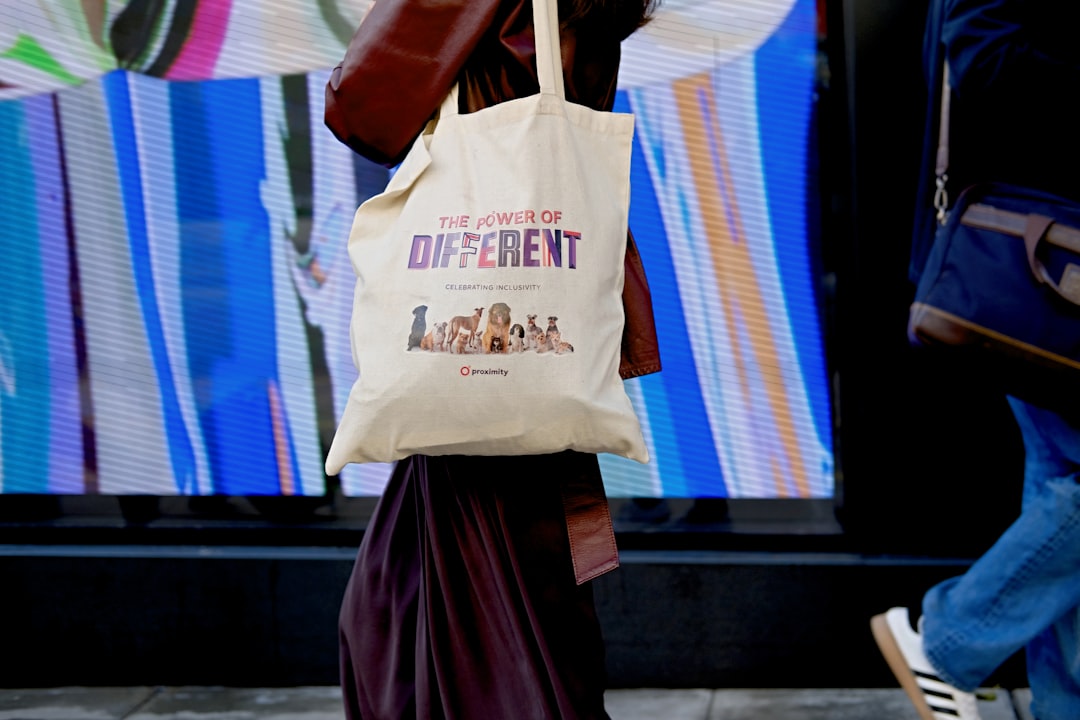
Its versatility allows furoshiki to serve as a tote bag for groceries, a piece of art hung on a wall, or a charming tablecloth at a gathering. In a city where beauty and efficiency must coexist, furoshiki wrapping fits naturally into daily rituals, from the morning market to the evening dinner table.

Conclusion
Furoshiki wrapping is not a habit you adopt once and forget. It is a practice you refine over time, like any good craft. In Tokyo, the shops, workshops, and community events make furoshiki wrapping accessible to everyone, resident or visitor, beginner or experienced. Each fold you learn reduces your need for single-use packaging and adds a small gesture of beauty to your day. Start with 1 cloth. Learn 1 knot. Let furoshiki wrapping become part of how you live in this city.
Discover more about furoshiki wrapping
- Furoshiki (Mottainai Furoshiki): Japan Ministry of the Environment
- Furoshiki: The Original Japanese Eco-Bag, Web Japan
- Tokyo giving out free furoshiki from Pikachu’s designer to help tourists carry their garbage home, SoraNews24