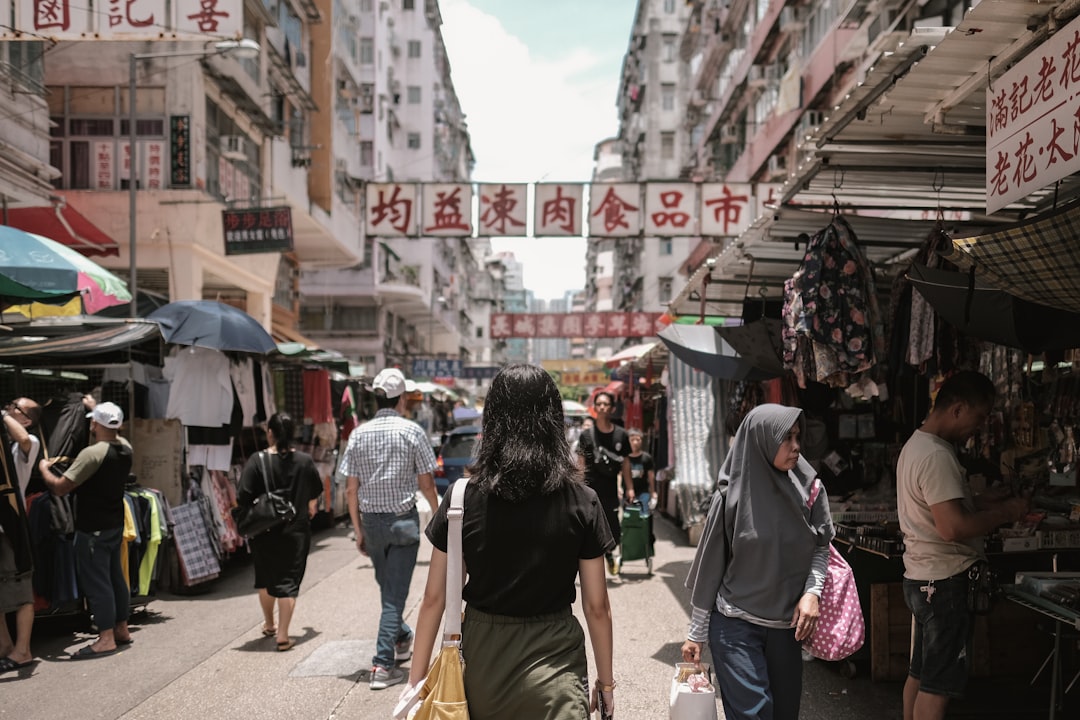
Shitamachi is the honest side of Tokyo, the part that survived wars and earthquakes and still smells like grilled food on a Sunday morning.
Start the morning in Nezu before the heat arrives
Nezu is part of the Yanesen area, which includes Yanaka, Nezu, and Sendagi. It is one of the few pre-war shitamachi districts in central Tokyo that survived both the 1923 Great Kanto Earthquake and the wartime firebombing largely intact. That history is visible in every narrow lane. Wooden houses lean slightly. Cats sit in doorways. Nothing is in a hurry.
Begin at Nezu Shrine. Nestled in lush greenery with koi ponds and a pathway lined with arches of torii gates, Nezu Shrine is arguably one of the most photogenic places of worship in Tokyo. There is no admission fee to enter the shrine, making it an affordable and enriching experience for all visitors. Arrive before 9:00 on a summer Sunday and you will often have the red torii path almost to yourself.
After the shrine, walk the residential streets between Nezu and Yanaka. Narrow back alleys, traditional wooden houses, independent coffee shops, and a Shinto shrine with 300 years of history are all inside the Yamanote loop. There is no map needed. Getting briefly lost is the correct approach.
Walk Yanaka Ginza and spend almost nothing
The retro shopping street of Yanaka Ginza has around 60 shops occupying a lantern-lined 170-meter stretch. Step into the small shops selling traditional Japanese snacks, sweets, and handicrafts, and pick up some street food to eat while you walk: piping-hot sweet potatoes, juicy pork cutlets, sweet chestnuts, and grilled squid are just a few of the traditional treats on offer.
Prices are relatively low. Little snacks and finger food sold from below 50 yen can be found in some stalls. Even if prices have risen slightly since those numbers were published, Yanaka Ginza remains one of the most affordable places to eat in central Tokyo. A full morning of grazing costs very little.

HAGISO is a renovated wooden apartment transformed into a cafe and gallery, while SCAI the Bathhouse, once home to public baths, has become a contemporary art gallery showing works by Japanese avant-garde and international artists. Both are worth a slow look. Neither requires a large budget.
Rest at Yanaka Cemetery and Kayaba Coffee
The expansive Yanaka Cemetery is worth visiting to walk among the beautiful trees, flowers, and plants. In summer, the large trees provide real shade. Locals walk dogs here. Older residents sit on benches. It is a quiet, practical use of green space inside a dense city.
After the cemetery, find Kayaba Coffee. Kayaba Coffee is a beloved symbol of Yanaka. The wooden building was originally constructed in 1916, and Kayaba Coffee was in business from 1938 until the death of the original owner in 2006. It reopened later and remains one of the best arguments for sitting still in Tokyo for an hour. Order an iced coffee and do not rush.
Yanaka is mainly made up of narrow streets and alleys. Walking down them naturally makes you slow your pace. That is a feature, not a problem. On a summer Sunday, the slower pace also keeps you cooler than anything moving fast.






Expert perspective on why shitamachi still matters
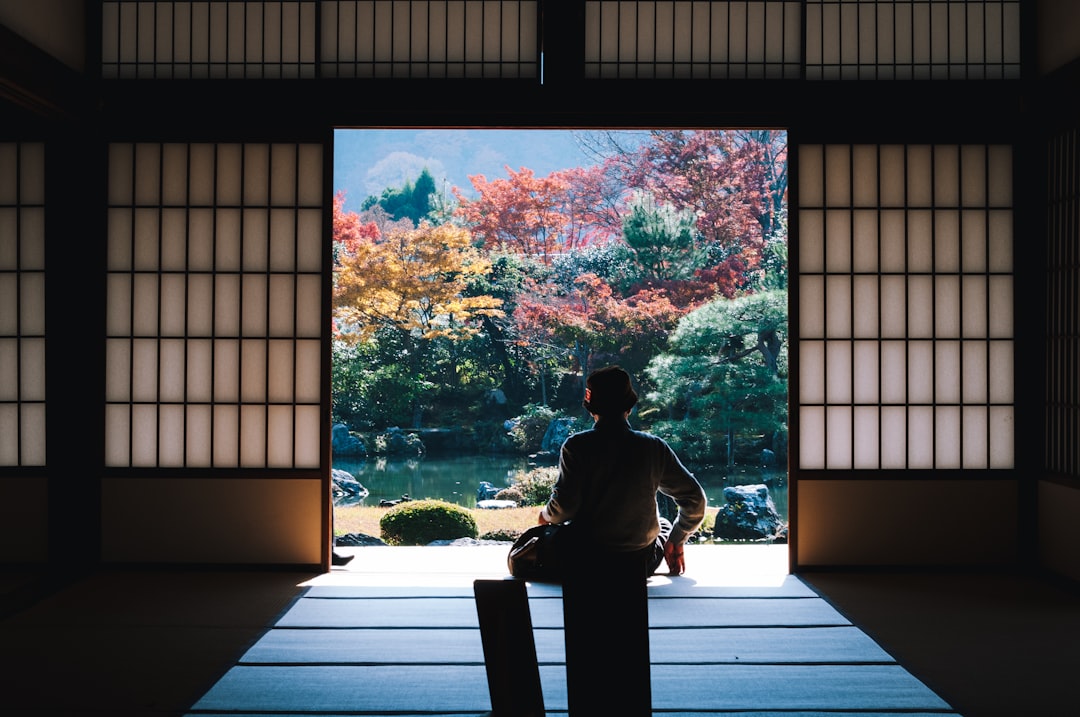
Tokyo’s shitamachi districts preserve something that modern city planning rarely produces: a human scale. The streets are narrow because they were built for people on foot, not vehicles. The shops are small because they serve a neighborhood, not a region. When residents here talk about community, they mean the person who runs the manju shop and the woman who tends the shrine garden. Visitors who spend a full day walking through Yanaka, Nezu, and Ueno often describe it as the first time Tokyo felt like somewhere a person could actually live, rather than a place to pass through quickly. That reaction makes sense. Shitamachi was always the working city. It kept its rhythm because its people did not let it lose that rhythm, even when the rest of Tokyo rebuilt itself around towers and train hubs.
Cultural and urban heritage perspective, traditional district and neighborhood preservation specialists in Tokyo
Cross into Ueno Park for the afternoon
There is no admission fee to enter Ueno Park, but the various facilities have modest admission fees, many around 600 yen. On a budget Sunday, the park itself is the destination. The Lotus Pond blooms with pink flowers in summer and the Boat Pond is popular in all seasons for rowboat and swan boat rentals. Renting a rowboat is one of the better 30 minutes you can spend in Tokyo for a small cost.
The Shitamachi Museum gives you historical perspective on the old heart of Tokyo, where merchants and artisans thrived. See what life was like in the big city from the late 19th to early 20th century. Admission is 300 yen, and the museum recreates Tokyo’s old neighborhoods well. It is a short visit but a useful one, especially before you return on foot through the lanes you just spent the morning walking.
From Ueno’s museums and open parkland, the city gradually narrows into the dense temple streets of Asakusa, before opening again into the quieter residential fabric of Yanaka. Across this route, the environment shifts from cultural openness to structured intensity and finally to calm neighborhood streets, while remaining fully walkable as a single continuous journey. The entire route from Nezu to Ueno takes about 20 minutes on foot if you walk directly. Allow 6 to 8 hours if you do it properly.
Getting there and keeping costs low
To reach Yanesen, take the Metro Chiyoda Line to Nezu or Sendagi stations. From Shinjuku Station, it is 20 minutes on the JR Yamanote Line to Nippori Station. Either approach puts you inside the shitamachi area within a few minutes of exiting the station.
Budget around 400 to 1,200 yen for meals in this area. Street food from Yanaka Ginza, one coffee at Kayaba, a bowl of soup from a small restaurant near the cemetery: a full day of eating costs under 2,000 yen without trying hard. Bring a reusable bottle. Water is available at the shrine and in the park.

The shitamachi districts do not ask you to spend money to have a good Sunday. They ask you to walk slowly, look at things, and eat something from a stall. That is, honestly, the best version of a Tokyo day off.
A shitamachi Sunday is the real thing
A slow Sunday in the shitamachi districts is not a budget compromise. It is the genuine Tokyo experience that many residents return to every weekend. Yanaka, Nezu, and Ueno together offer temples, street food, green space, and history in a single walkable route that costs very little. The shitamachi areas work precisely because they are not trying to impress anyone. Come in the morning, leave in the late afternoon, and come back the following Sunday. The city will be the same. That is the point.
Discover more about shitamachi
- Yanaka and Nezu: explore old Tokyo (Official Tokyo Travel Guide)
- Ueno Park: Tokyo’s cultural hub and free public park (GO TOKYO)
- Ueno, Sensoji, and Yanaka: traditional district guide 2026 (Travelling in Culture)