CONTACT
  • Login
Upgrade
TOKYOwebzine
Advertisement
  • Home
    • Our Authors
    • Media Kit
    • Contact
    • Cookie Policy
    • Terms and Conditions
  • News
  • Business
  • Lifestyle
    • Beauty
    • Kids
    • Sustainable living
    • Well-being
    • Sports
    • Creativity
  • Culture
  • Gastronomy
  • Travel
  • Global Tokyo
  • Insights
  • Local Guide
    • Activities in Tokyo
    • Hotels in Tokyo
    • Nightlife in Tokyo
    • Restaurants in Tokyo
    • Services in Tokyo
    • Shopping in Tokyo
  • Home
    • Our Authors
    • Media Kit
    • Contact
    • Cookie Policy
    • Terms and Conditions
  • News
  • Business
  • Lifestyle
    • Beauty
    • Kids
    • Sustainable living
    • Well-being
    • Sports
    • Creativity
  • Culture
  • Gastronomy
  • Travel
  • Global Tokyo
  • Insights
  • Local Guide
    • Activities in Tokyo
    • Hotels in Tokyo
    • Nightlife in Tokyo
    • Restaurants in Tokyo
    • Services in Tokyo
    • Shopping in Tokyo
No Result
View All Result
TOKYOwebzine
No Result
View All Result
Home Luxury Lifestyle Sustainable living

Secondhand wardrobe for Tokyo work heat

Build a beautiful, breathable work wardrobe in Tokyo using only secondhand natural fibres, and do it without compromise.

A woman carefully examines natural fibre garments in a Tokyo secondhand wardrobe shop

A secondhand wardrobe built from natural fibres is, in Tokyo, one of the most graceful responses to a city that asks everything of you every single day.

Why natural fibres belong in Tokyo heat

Tokyo’s summer is not only hot. It is also very humid, which makes the body’s natural cooling system less effective. Traditional clothing wisdom here has always prioritized airflow and moisture movement over sealing the body in. This understanding is not new. It belongs to a long Japanese craft tradition that values function as much as beauty.

Linen and linen blends are excellent for airflow and fast evaporation. In Japan, linen is often blended with cotton or a small amount of other fibre to reduce wrinkling and improve durability for work settings. Together, these 2 fibres form the foundation of a practical and elegant work wardrobe.

Airy fabrics cool down the body. Natural fibres such as linen and cotton should be a staple in your summer wardrobe, and you should also look for lesser-known options such as Japanese washi fabric. Each of these materials carries its own character, and finding them secondhand gives them a second story.

How to build your secondhand wardrobe with intention

Start with 5 core pieces: 2 linen or cotton tops, 1 wide-leg cotton trouser, 1 relaxed linen jacket or overshirt, and 1 simple breathable dress. Loose silhouettes create a chimney effect, letting warm air rise and escape while pulling cooler air in from openings at the neck, sleeves, and hem. This principle, drawn from Japanese working-clothing tradition, is still the most intelligent guide for dressing in heat.

Indoor spaces in Tokyo are almost always air-conditioned, sometimes aggressively so. Dressing in light layers makes it far easier to stay comfortable as you move between humid streets and cool interiors throughout the day. A secondhand linen jacket, folded into a bag, solves this problem with no extra cost and no new production.

https://noornoor.biz https://noornoor.biz https://noornoor.biz

A 100% cotton or linen shirt with 3/4 sleeves is always worth picking up. Secondhand stores like 2nd Street offer many good choices for less than 1,000 yen. The ritual of searching, of handling cloth and considering quality, is itself a form of slow pleasure that fast fashion cannot offer.

Where to find natural fibres in Tokyo’s reuse market

Shimokita Garage Department is located in Tokyo’s Shimokitazawa district and offers a wide selection of secondhand clothing for all ages and sexes. Shimokitazawa is also home to many small independent vintage shops where linen blouses and cotton trousers from Japanese and European makers appear regularly. Patience is rewarded here.

According to a survey by Japan’s Ministry of the Environment, in 2024, 44.1% of citizens purchased secondhand goods. The reuse market in Tokyo is growing, and with it comes better selection, better curation, and a wider range of natural-fibre pieces to choose from. The reuse market has grown enormously over the past decade, rising from $13.2 billion in 2017 to a projected $26.3 billion by 2030.

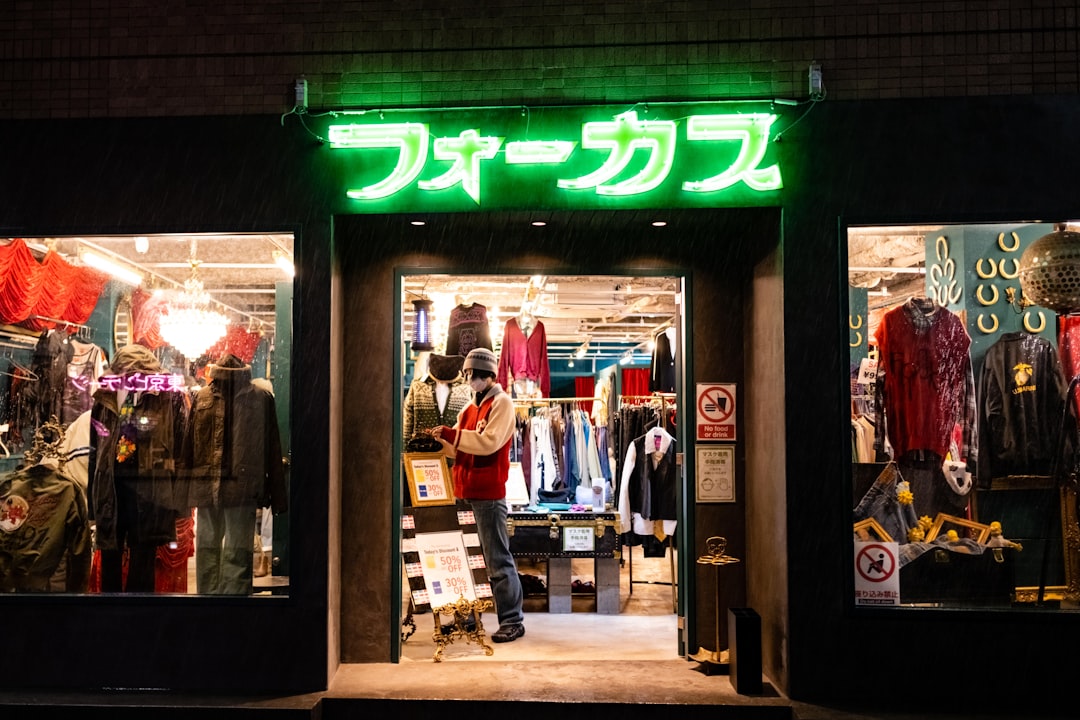
Tokyo’s secondhand stores, like Koenji’s vintage shops, are thriving, with thrifting sales up 30%. Koenji and Shimokitazawa are both excellent destinations for building a sustainable, breathable wardrobe one considered piece at a time.


-

A woman wearing pieces from her capsule wardrobe made of natural-dye Japanese textiles

Capsule wardrobe with Japanese textiles

28/08/2026
A woman in Tokyo carefully practising furoshiki wrapping with a patterned square textile

Furoshiki wrapping: Tokyo shops and workshops

24/08/2026
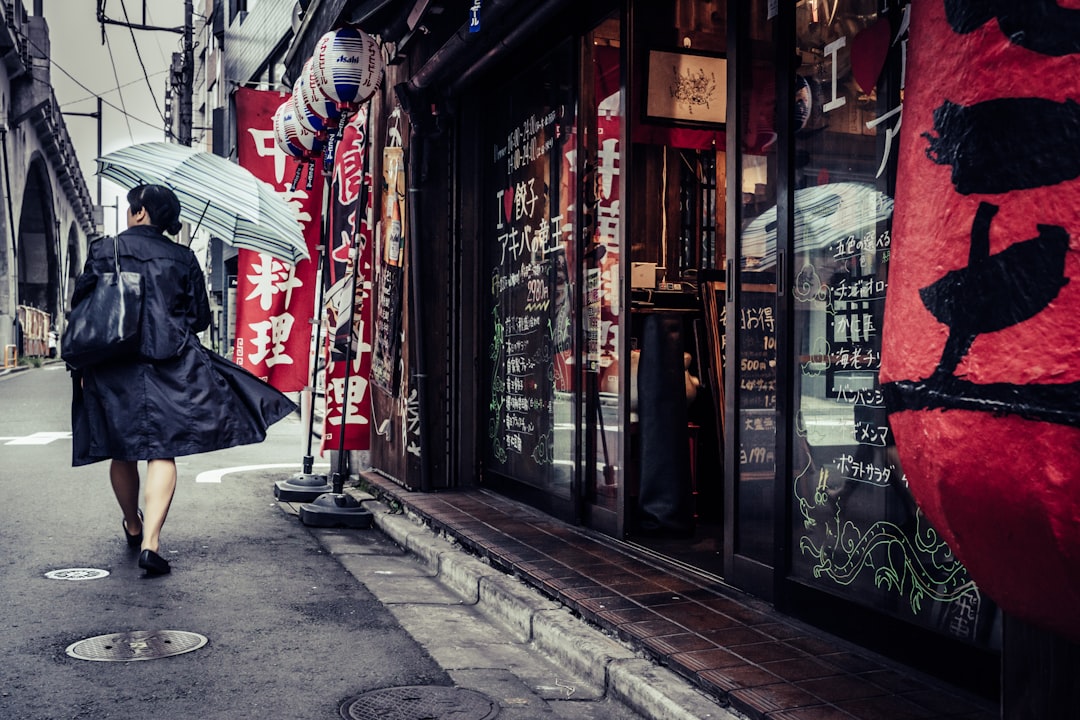
A woman dressed in loose natural Japanese fabrics walks through a shaded Tokyo street on a hot August afternoon

Japanese fabrics for Tokyo’s August heat

17/08/2026
woman in a vintage yukata walks through a Tokyo street market, representing the beauty of yukata fashion during Obon season.

Tokyo’s Obon Revival: Vintage Yukata & Summer Kimono

15/08/2026
woman in a vintage yukata walks through a Tokyo street market, representing the beauty of yukata fashion during Obon season.

Tokyo’s Obon Revival: Vintage Yukata & Summer Kimono

14/08/2026
A woman in her minimalist Tokyo apartment, showing how thoughtful objects create a calm interior.

Minimalist Tokyo apartment guide

05/08/2026

A professional woman in a breathable linen outfit walks through a Tokyo street

An industry perspective on secondhand and sustainable fashion

Japan’s relationship with secondhand clothing is shifting from necessity to genuine appreciation. What we observe in Tokyo’s reuse market is a growing desire for pieces that carry meaning, that are made from materials which breathe and age well. Natural fibres like linen and cotton are central to this. They improve with use. They tell a story. For the professional building a sustainable wardrobe, the secondhand market offers something new clothing rarely can: a garment already proven by time. The challenge for the industry is to ensure that curation and quality guidance keep pace with growing demand, so that buyers choose breathable, durable, natural-fibre pieces rather than simply cheaper synthetic ones.

Industry perspective, sustainable fashion and circular economy professionals in Tokyo

How to care for natural fibres in a humid climate

Good care habits, including washing, drying, and storage, can extend performance and reduce heat stress over a full season. Linen and cotton both wash well in cool water. Air drying is the natural choice in Tokyo, and these fibres respond to it with grace.

Simple repair methods extend garment life and keep workwear functional under heavy use. A loose button, a small seam, a minor hem: these are small rituals of attention. In French and Japanese craft traditions alike, care for an object is a sign of respect for it. A secondhand cotton blouse, mended at the cuff, holds more beauty than a new one.

Japan’s minimalist design philosophy, rooted in Zen and wabi-sabi, drives sustainable fashion by promoting timeless, durable clothing. This philosophy pairs naturally with the French love of quality over quantity. Together, they form a clear aesthetic for building a wardrobe that works in every season and survives every summer.

A woman folds and organises her secondhand wardrobe of natural cotton and linen garments on a wooden table

The wider context: why your secondhand wardrobe matters

According to Japan’s Environment Ministry, households in Japan bought a total of 770,000 tons of clothes in 2024, while approximately 480,000 tons were disposed of as waste. That number carries weight. Overproduction and mass disposal of clothing cause massive greenhouse gas emissions. About 60% of the clothes sold in Japan are thrown away, according to the Environment Ministry.

The government has set a target of reducing the amount of clothing discarded from households by 25% by fiscal 2030. Choosing a secondhand wardrobe built from natural fibres is one of the most direct and personal ways to contribute to this goal.

A wardrobe as a daily ritual

A secondhand wardrobe built with care is not a compromise. It is a choice that reflects both values and taste. In Tokyo’s heat, natural fibres, linen, cotton, and washi, offer the body real comfort. In Tokyo’s reuse shops, a secondhand wardrobe offers the mind real beauty. Both matter equally.

Begin with 5 pieces. Wash them with attention. Mend them when needed. Let your secondhand wardrobe grow slowly, the way all good things do. The city will ask everything of you. Your clothing, at least, can make that ask feel graceful.

Discover more about secondhand wardrobe

  • Japan Ministry of the Environment: Sustainable Fashion
  • Understanding Consumer Perception of Sustainable Fashion in Japan (MDPI, Sustainability)
  • Japan to Draw Up Action Plan to Reduce Clothing Waste (The Japan Times)

author avatar
Camille Dufour
Camille Dufour left Paris for Tokyo on a photography assignment and never went back. Nine years later, she writes about the city's extraordinary lifestyle scene: from Harajuku's avant-garde fashion to the meditative rituals of a traditional Tokyo bathhouse. Her work celebrates the surprising harmony between French and Japanese aesthetics, two cultures that share a deep reverence for craft, gastronomy, beauty, and daily ritual.
See Full Bio
Previous Post

Float therapy Tokyo: 6 studios to try

Next Post

Shitamachi Sunday: a slow Tokyo day

Related Posts

A woman wearing pieces from her capsule wardrobe made of natural-dye Japanese textiles
Sustainable living

Capsule wardrobe with Japanese textiles

28/08/2026
A woman in Tokyo carefully practising furoshiki wrapping with a patterned square textile
Sustainable living

Furoshiki wrapping: Tokyo shops and workshops

24/08/2026
A woman dressed in loose natural Japanese fabrics walks through a shaded Tokyo street on a hot August afternoon
Sustainable living

Japanese fabrics for Tokyo’s August heat

17/08/2026
woman in a vintage yukata walks through a Tokyo street market, representing the beauty of yukata fashion during Obon season.
Sustainable living

Tokyo’s Obon Revival: Vintage Yukata & Summer Kimono

15/08/2026
woman in a vintage yukata walks through a Tokyo street market, representing the beauty of yukata fashion during Obon season.
Sustainable living

Tokyo’s Obon Revival: Vintage Yukata & Summer Kimono

14/08/2026
Next Post
A woman browses small shops along the lantern-lined Yanaka Ginza, one of Tokyo's most beloved shitamachi streets

Shitamachi Sunday: a slow Tokyo day

Leave a Reply Cancel reply

Your email address will not be published. Required fields are marked *

No Result
View All Result

Our Focus

TOKYOwebzine is your international window on Tokyo: lifestyle, business, culture, sports and events for a global audience drawn to the city's unique blend of tradition and innovation.

Our Readers

TOKYOwebzine addresses readers who engage with Tokyo at a high level: professionally, financially, strategically, and as decision-makers in their fields.

Our Approach

Lifestyle, design, and culture are integrated as context and indicators of economic precision, creative depth, and Japan's enduring global influence, not standalone entertainment.

Recent Post

  • Mt Fuji climbing: what hikers must know
  • Gluten-free izakaya: Tokyo guide

© 2026 TOKYOwebzine by NOOR & NOOR — part of WEBZINE.world.

Welcome Back!

Login to your account below

Forgotten Password?

Retrieve your password

Please enter your username or email address to reset your password.

Log In
Manage Consent
To provide the best experiences, we use technologies like cookies to store and/or access device information. Consenting to these technologies will allow us to process data such as browsing behavior or unique IDs on this site. Not consenting or withdrawing consent, may adversely affect certain features and functions.
Functional Always active
The technical storage or access is strictly necessary for the legitimate purpose of enabling the use of a specific service explicitly requested by the subscriber or user, or for the sole purpose of carrying out the transmission of a communication over an electronic communications network.
Preferences
The technical storage or access is necessary for the legitimate purpose of storing preferences that are not requested by the subscriber or user.
Statistics
The technical storage or access that is used exclusively for statistical purposes. The technical storage or access that is used exclusively for anonymous statistical purposes. Without a subpoena, voluntary compliance on the part of your Internet Service Provider, or additional records from a third party, information stored or retrieved for this purpose alone cannot usually be used to identify you.
Marketing
The technical storage or access is required to create user profiles to send advertising, or to track the user on a website or across several websites for similar marketing purposes.
  • Manage options
  • Manage services
  • Manage {vendor_count} vendors
  • Read more about these purposes
View preferences
  • {title}
  • {title}
  • {title}
No Result
View All Result
  • Home
    • Our Authors
    • Media Kit
    • Contact
    • Cookie Policy
    • Terms and Conditions
  • News
  • Business
  • Lifestyle
    • Beauty
    • Kids
    • Sustainable living
    • Well-being
    • Sports
    • Creativity
  • Culture
  • Gastronomy
  • Travel
  • Global Tokyo
  • Insights
  • Local Guide
    • Activities in Tokyo
    • Hotels in Tokyo
    • Nightlife in Tokyo
    • Restaurants in Tokyo
    • Services in Tokyo
    • Shopping in Tokyo

© 2026 TOKYOwebzine by NOOR & NOOR — part of WEBZINE.world.

Are you sure want to unlock this post?
Unlock left : 0
Are you sure want to cancel subscription?
Verified by MonsterInsights
enEnglishja日本語