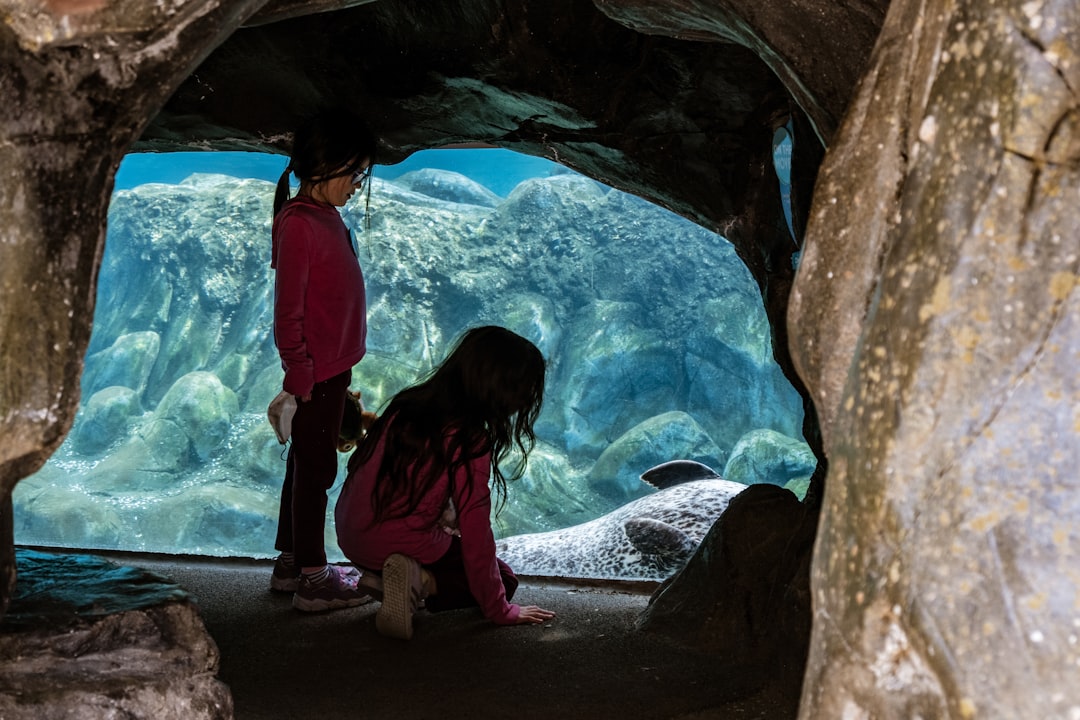
Tokyo aquariums turn a grey afternoon into something quietly beautiful, and these 8 indoor spaces do it with the kind of considered detail that both children and their parents will remember long after the rain stops.
Sumida aquarium: design and calm in Skytree Town
Sumida Aquarium sits inside Tokyo Skytree Town and is completely indoors, making it a natural choice for outings with children. It is known for its ultra-modern interior and artistic display layouts. The jellyfish area is almost hypnotic, and the indoor penguin zone is spacious for a city-centre facility.

Its massive indoor tank, the largest of its kind in Japan, offers a nearly unobstructed view of Magellanic penguins and South American fur seals. Be sure not to miss the colourful sea jelly and goldfish exhibits. The Coral Reefs zone features a 360-degree viewable tank full of spotted garden eels, and the Ogasawara tank recreates a World Heritage reef in a striking deep blue.
As part of an initiative to support children’s independent learning, the aquarium distributes guidebooks that allow children to discover more about animals and join hands-on programmes. A combined Skytree and aquarium ticket offers a discount on both, and you can bring your own food and drinks inside, one of the few Tokyo aquariums that allows this.
Sunshine aquarium: sky-high tanks above Ikebukuro
Located on the rooftop of the Sunshine City complex in Ikebukuro, Sunshine Aquarium offers one of the more distinctive experiences in Tokyo. Its most iconic feature is the Sky Journey area, where sea lions and penguins swim through overhead tanks with the Tokyo skyline behind them.
The indoor floors hold 240 or more species across 2 levels. For children aged 5 and above, a paid Exploration Guide Tour of 40 minutes takes families behind the scenes, where children feed frozen squid to animals and step into a freezer room set to minus 19 degrees Celsius. There is also a paid feeding experience where children hand-deliver fish to penguins and otters.

The indoor sections include a massive coral reef tank, an immersive jellyfish tunnel, and a mola-mola encounter. If you travel with children and want to extend the day, the surrounding Sunshine City complex offers a planetarium and shopping arcades.
Tokyo Sea Life Park: tuna and open space in Kasai
Spacious and ocean-focused, Tokyo Sea Life Park sits inside Kasai Rinkai Park. It centres on natural marine life, with giant tuna swimming in circular tanks and large open spaces that make it ideal for stroller access and long walks.
The aquarium features one of the largest penguin exhibition facilities in Japan and bluefin tuna swimming in a 2,200-ton donut-shaped tank. It holds more than 600 species of marine life from around the world, and it is one of only a few aquariums in Japan where tuna swim.


Kasai Rinkai Park is a large park in Tokyo’s Edogawa ward and is the second-largest park in the city’s 23 wards. Highlights nearby include the large Diamond and Flower Ferris Wheel. The calm, structured layout here suits younger children who need space to move between exhibits.
Expert perspective on choosing the right aquarium for children
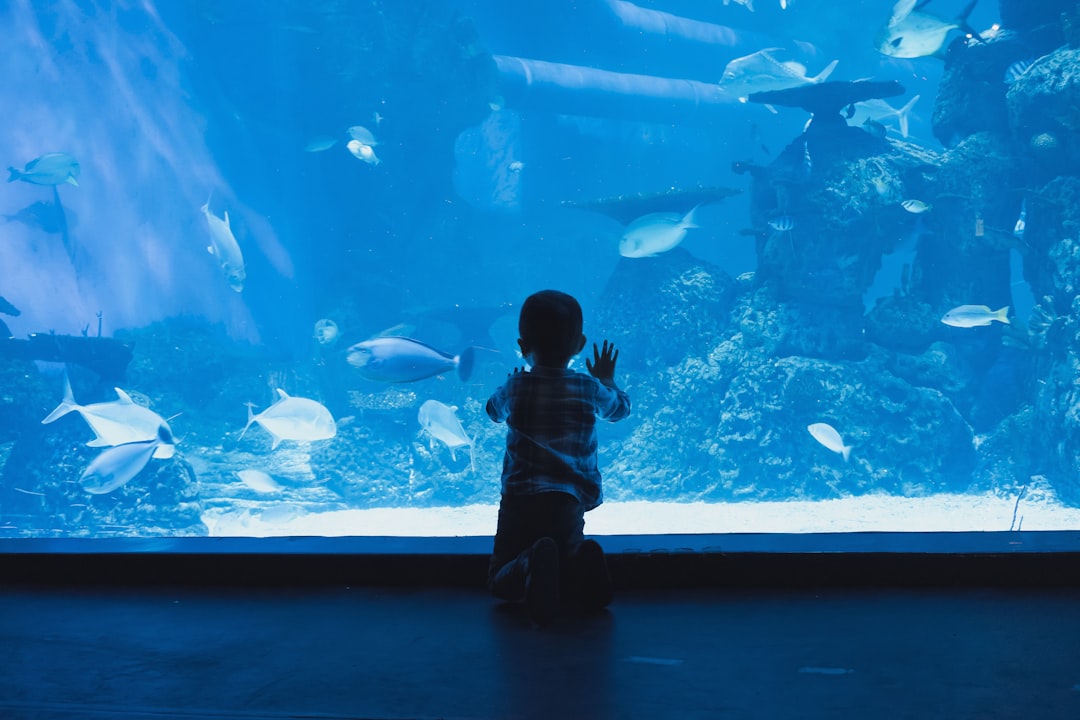
Tokyo’s aquariums are genuinely different from one another, and that distinction matters when you travel with children. Some specialise in touch pools, others in theatrical lighting, and others in sheer scale. The sensory experience is at the heart of every good visit. Look for aquariums with touch pools where children can interact gently with sea creatures like starfish or sea cucumbers. Interactive shows and feeding sessions add a layer of participation that pure observation cannot match. When you choose the right aquarium for the age and temperament of your child, the visit becomes a conversation about the natural world that continues well beyond the exit.
Industry perspective, family travel and aquarium experience professionals in Tokyo
Art Aquarium Museum Ginza: goldfish as living art
The Art Aquarium Museum is a one-of-a-kind museum in Tokyo that blends art, design, and living creatures. Situated in the prestigious Ginza district, it showcases displays featuring goldfish, where art and nature meet in harmony. The museum invites visitors into a world of living art, combining traditional Japanese aesthetics with a modern approach.
With the concept of “life inhabited museum,” the Art Aquarium puts goldfish at the centre of art. It offers aquarium works that highlight the beauty of goldfish through tanks, lighting, scent, and sound. With about 70 different kinds of goldfish, the museum offers a special moment of calm in the centre of Tokyo.
Think of the Art Aquarium as offering a light-driven spectacle with the serenity that comes from watching fish move through a tank. Goldfish appreciation is a centuries-old practice, first brought to Japan from China in the 1600s. Older children often find this space more contemplative than exciting, which is itself a valuable experience.
4 more indoor nature spaces worth visiting
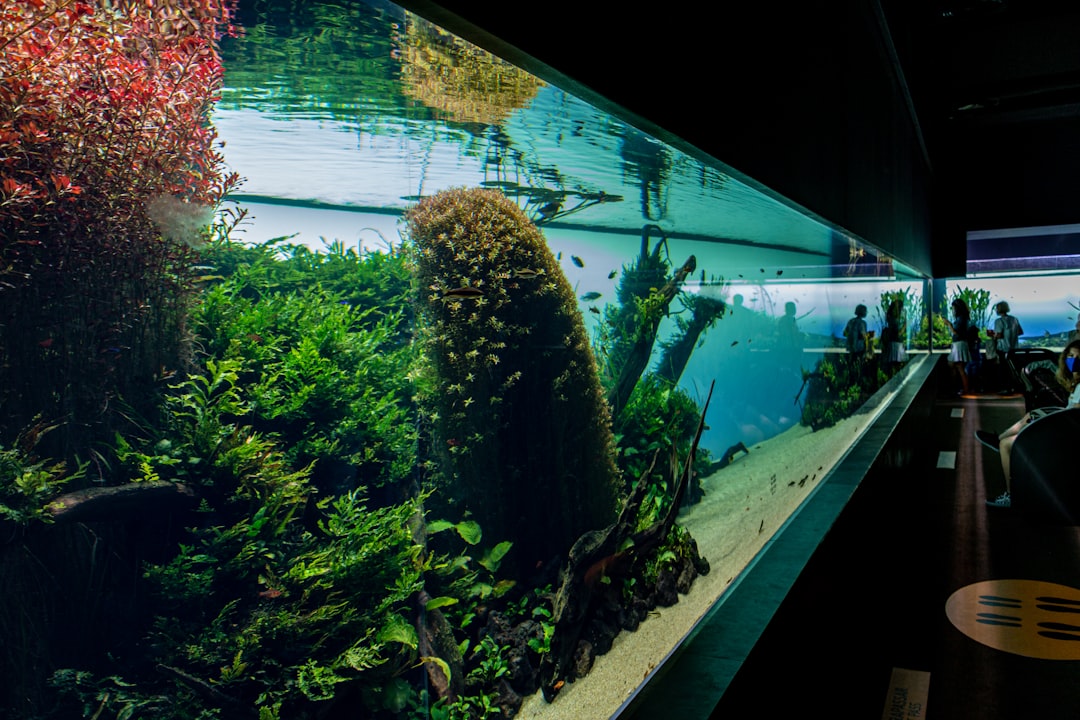
Shinagawa Aquarium sits inside a public park and offers a different rhythm from the city-centre options. It displays over 450 species of aquatic animals and focuses on showcasing the Earth’s water cycle across rivers, estuaries, and oceans. The flagship 500-ton tank is home to green sea turtles. A 22-metre tunnel gives visitors a 180-degree view from inside the tank, and dolphin and sea lion shows add energy to the visit.
Epson Shinagawa Aqua Stadium, close to Shinagawa Station, is an entertainment space that includes an aquarium, an animal petting area, and indoor attractions suitable for rainy days. Adjacent facilities include a bowling alley and a cinema.

Inokashira Nature-Culture Garden in Mitaka offers something quieter. The Aquatic Life Museum of Inokashira Nature Park is a facility where Japanese freshwater fish and amphibians are kept, displayed, and protected. The slow pace and local focus make this a good choice for children who prefer careful observation over spectacle.
National Museum of Nature and Science in Ueno rounds out this list. The museum sits in Ueno Park and covers natural history across a broad range of exhibitions. It offers a wide variety of natural history exhibitions and interactive scientific experiences. Permanent exhibits include the evolution of living things, a display of dinosaur skeletons, the flora and fauna of Japan, and the geology of Japan.
Tokyo aquariums deserve a permanent place in your rainy-day plan
Tokyo aquariums are not a compromise for bad weather. They are destinations in their own right, each with its own philosophy of beauty and discovery. Almost all major aquariums in Japan are fully indoors, making them ideal for rainy-day plans. From the meditative calm of the Art Aquarium Museum in Ginza to the kinetic energy of Sunshine Aquarium above Ikebukuro, Tokyo aquariums offer children a genuine encounter with the natural world, presented with the quiet care that defines Japanese craft at its best. Visit with curiosity, take your time, and let the child lead the pace.
Discover more about Tokyo aquariums
- Zoos and aquariums in Tokyo, GO TOKYO official travel guide
- Zoo and aquarium experiences in Japan, Japan National Tourism Organization
- Best Aquariums in Tokyo for Families