Tokyo kids find something rare during Obon week: a city that slows down, opens up, and reveals itself one neighborhood ritual at a time.
What Obon actually means for families in the city
Obon is one of Japan’s most important cultural events, a Buddhist tradition of honoring the spirits of deceased ancestors who are believed to return to the world of the living during this period. For families staying in Tokyo, this is not a problem. It is an invitation.

If you have no family obligations in Japan, Obon week can actually be a great time to enjoy Tokyo. Many locals leave the city, so popular spots, restaurants, and even trains within central Tokyo are noticeably less crowded than usual. Children breathe more easily. Parents move more slowly. The city, briefly, belongs to those who stay.
Obon is not a single national public holiday in Japan. It is a cultural observance, and the most widely observed dates are August 13 to 16. Plan around this window, and every day becomes its own small discovery.
Bon odori: the festival that welcomes everyone
The first thing to do is find your nearest bon odori. You do not need to travel to a famous festival to experience Obon. Almost every neighborhood in Japan holds its own bon odori event, usually at a local park or elementary school grounds. Look for handwritten posters at the convenience store on your corner.
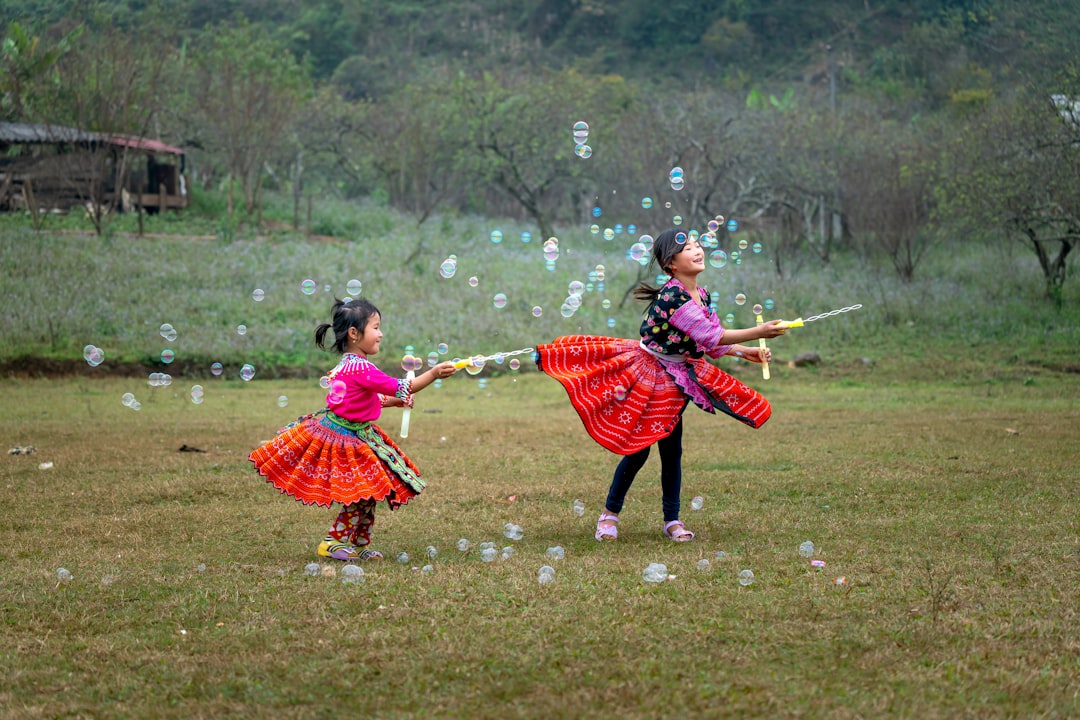
You will see families in yukata, children playing games at yatai stalls, elderly residents dancing with quiet dignity, and the whole community participating together. This is not a performance. It is a shared ritual, and children understand the difference immediately.

At bon odori events, spectators are always welcome to join. Stand at the outer ring and follow the movements of experienced dancers. The steps are deliberately simple. Tokyo kids who join the circle carry that memory for years. Wear a yukata if you have one. Eat something from the stalls. Stay until the lanterns come out.
Science, art, and the beauty of Odaiba for Tokyo kids
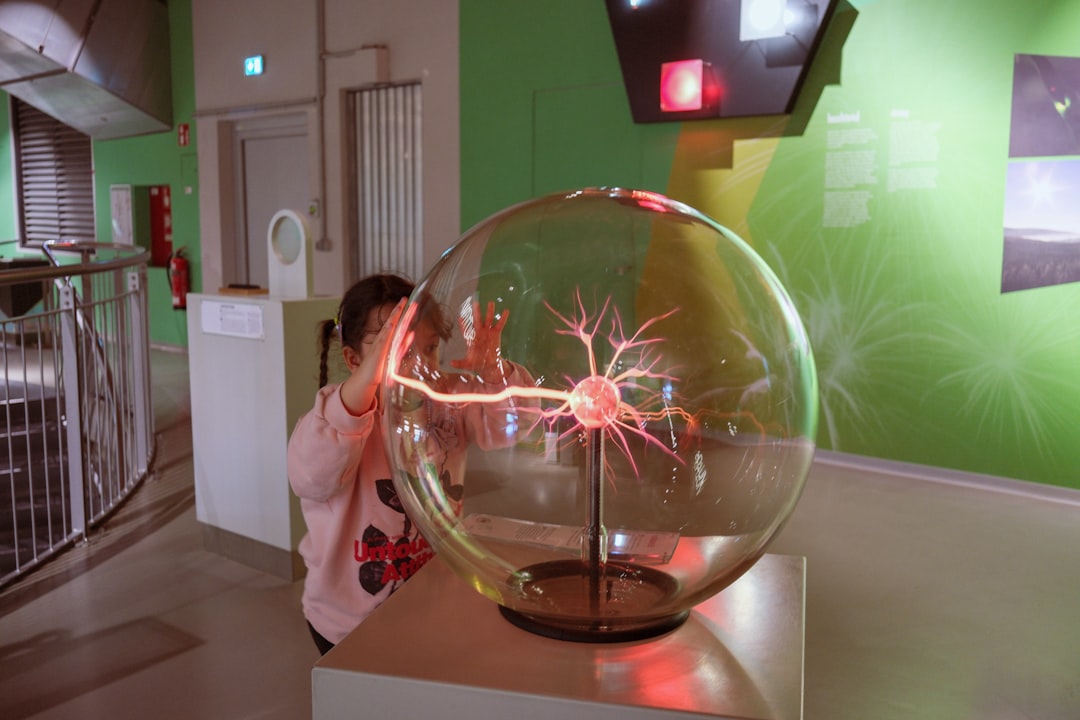
Journey to Miraikan, Japan’s national science museum in Odaiba, to learn about humanity’s relationship to the universe and the cutting-edge technologies taking us into the future. The museum balances wonder and rigor in exactly the way French and Japanese education both admire.
Special limited-time exhibitions are geared toward both kids and adults, with past exhibitions showcasing the art of Disney, mammoths, and life on the moon. Through exhibits, demonstrations, and more, Miraikan showcases cutting-edge scientific knowledge about everything from robots to our own existence. Allow a full morning here, then explore the rest of Odaiba in the afternoon.
teamLab Planets TOKYO features three zones where both children and adults can enjoy full-body immersion in art. The Athletics Forest features art installations where visitors can move their bodies through a three-dimensional space to improve their spatial awareness. Future Park is an educational space where visitors can enjoy creating a world together and develop their creativity. Book tickets online before you go.


Expert perspective on the city during Obon
During Obon week, the families who remain in Tokyo often discover the city they thought they already knew. The crowds thin, the light changes, and the neighborhood matsuri take on a more intimate quality. Children notice things they would miss in the usual rush: the paper lanterns, the smell of incense near a small shrine, the taiko drum that seems to come from one street over. This slower version of Tokyo is genuinely educational. It teaches children that beauty is not always loud or far away. A local bon odori in Koenji or Shimokitazawa can be as moving as any ticketed event. The city offers this freely, and families who accept the invitation find that Obon becomes one of their most vivid memories of living in Tokyo.
Lifestyle and culture perspective, family and cultural experience professionals in Tokyo
Craft and ritual: the quiet days between events
Bon odori is the heart of Obon. A wooden yagura tower goes up in parks, temple grounds, and town squares. Taiko drums begin. And people, young and old, locals and visitors, form circles and dance. Between the festival evenings, the quieter days offer a different kind of richness.
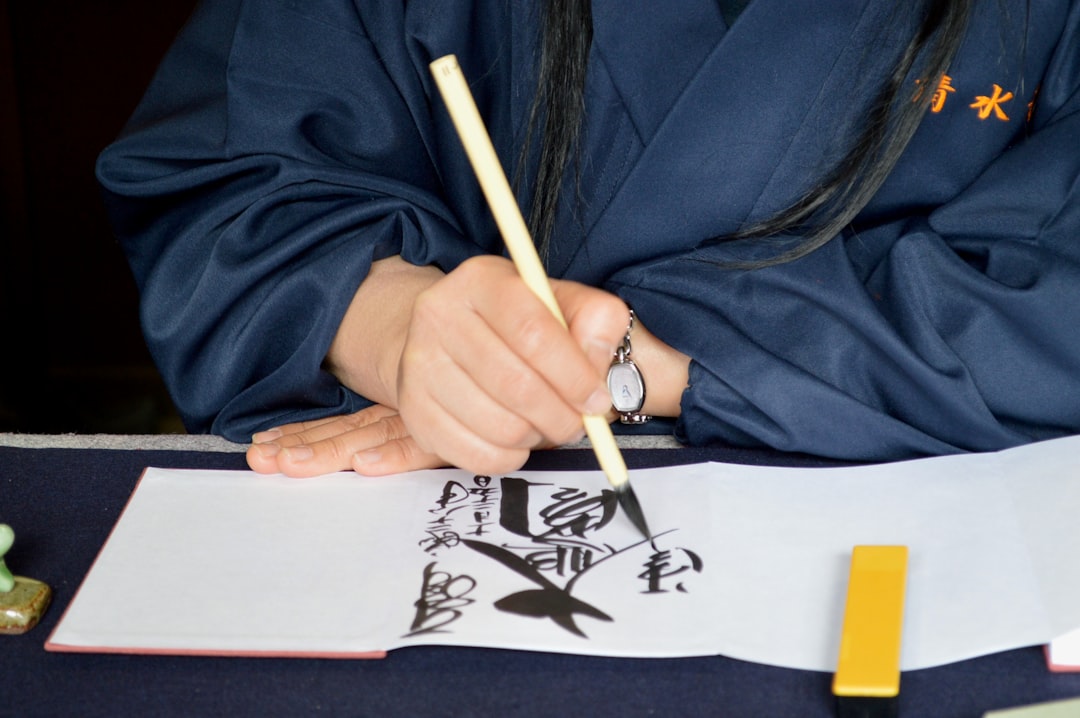
Use one morning to visit a craft workshop. Tokyo has many studios in neighborhoods like Yanaka, Koenji, and Shimokitazawa that offer children’s sessions in ceramics, calligraphy, or sumi-e ink painting. These crafts carry the same spirit that makes Obon meaningful: patience, repetition, and attention to a single beautiful gesture. A child who holds a calligraphy brush for the first time during Obon week connects 2 things at once: the living tradition and the practiced hand.
You can easily spend a day at Ueno Park in eastern Tokyo, which comprises playgrounds, shrines, a lake, and Ueno Zoo. Elegant and traditional gardens like the Hama-rikyu Gardens and Arisugawa Park have ample space for children to explore and wander. These spaces cost very little and reward slow attention.
Ueno and the pleasure of the curated afternoon
Ueno Park makes for a great day out. Not only can you stroll around the beautiful pond, but the park also offers many family activities. Stop by Ueno Zoo and say hello to animals from all over the world, such as elephants, giraffes, and hippos. Or visit the National Museum of Nature and Science, which has exhibits on space, dinosaurs, and the Japanese ecosystem.
KidZania Tokyo is an indoor theme park where children aged 3 to 15 are invited to role-play adult jobs. It sits in Toyosu and provides a full day of structured imagination. Tokyo kids who experience both the quiet ceremony of Obon and the playful energy of KidZania understand something useful: this city holds many registers of life at once.

The afternoons in Obon week have a particular quality. The heat is real and the pace is slow, and that slowness is a gift. Sit with your child at a shaved-ice stall. Order matcha kakigori. Watch the city breathe.
Conclusion: the week Tokyo belongs to the children in it
Tokyo kids who spend Obon week in the city receive something no trip abroad can replicate: direct contact with a living tradition. The bon odori, the craft studios, the lantern light, the quieter museums, and the generous neighborhood streets all work together. Tokyo kids learn that beauty is a daily practice, not a destination. Come back to the neighborhood festival on the last evening. Let the children join the circle one more time. Two things will stay with them long after the week ends: the sound of the taiko, and the feeling that the city saw them.
Discover more about Tokyo kids and Obon
- GO TOKYO: Sightseeing Spots for the Family
- Miraikan: The National Museum of Emerging Science and Innovation
- Obon Festival Guide: Bon Odori in Tokyo and Travel Tips