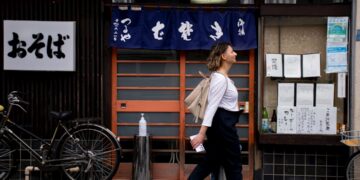
Summer in Tokyo arrives like a guest who does not knock: a quiet electricity bill lands on the table, and suddenly the cost of comfort is visible, real, and worth rethinking with care and intention.
Why the electricity bill rises in summer
Rising fuel costs and policy changes have pushed Japanese electricity bills sharply higher in recent years. The average one-person monthly electricity bill reached approximately ¥5,127 in 2023, compared to roughly ¥3,500 a decade earlier. That difference matters to anyone living alone in a Tokyo apartment.

For most people living alone in Japan, total monthly utility expenses typically fall between ¥12,000 and ¥16,000, covering electricity, gas, and water. This figure rises significantly in summer, from July through September, due to air conditioning demands. Seasonal peaks can push electricity bills 30 to 50 percent higher.
TEPCO’s standard rates move through tiers: ¥29.80 per kWh for the first 120 kWh, ¥36.60 per kWh for 120 to 300 kWh, and ¥40.49 per kWh above 300 kWh. The more a household consumes, the more expensive each additional unit of energy becomes.
The art of blocking heat before it enters
The French have long understood that a beautiful home is also a protected one. Japanese design has always known this too. Blocking heat at the window is the most direct form of passive cooling, and it asks for no technical skill.
Traditional sudare (bamboo blinds), yoshizu (reed screens), or modern curtains block direct sunlight and help maintain cooler indoor temperatures without increasing air conditioner usage. These objects are not only functional. They carry texture, light, and the quiet presence of craft in a room.

Blackout curtains are also effective if an apartment is poorly ventilated, as they keep rooms cool in summer and warm in winter. Close south-facing curtains by 8 in the morning and open them again after sunset. This single ritual, done consistently, reduces the room temperature that the rest of the apartment must then compensate for.
The green curtain: a living wall of savings
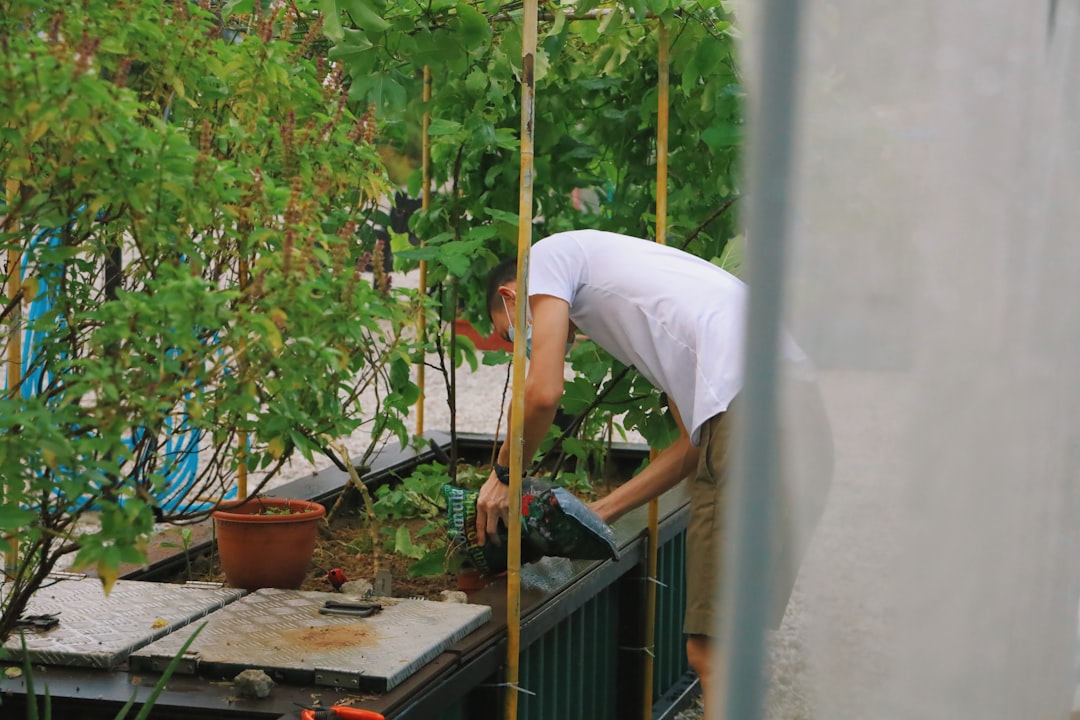
In Japan, “green curtains” are gaining popularity as sunshades. Green curtains are a way to block the sun by growing plants outside the window. Commonly grown plants include vines such as bitter gourd, loofah, and morning glory.
The many thick leaves block direct sunlight from entering through windows, reducing the rise in indoor temperature. The curtains have a shielding effect that cuts about 80 percent of the heat energy of sunlight. A study conducted on a recently constructed 8-storey apartment building in Tokyo, using thermal measurement from June to September 2025, found that green curtains led to measurable reductions in balcony temperature and improvements in occupant thermal comfort.
Many types of plants for green curtains are easy to grow, even for beginners, and require surprisingly little effort. On a small Tokyo balcony, a trellis and a packet of seeds create both beauty and insulation. The act of watering plants each morning is the kind of ritual that connects a person to the space they live in.
Expert perspective on sustainable cooling habits
Tokyo apartments are compact, which means that heat accumulates quickly and every decision made at the window level matters more than residents often realize. The most effective approach combines passive shading, good airflow management, and careful attention to when and how appliances operate. Sudare blinds, for instance, can reduce direct solar gain significantly without darkening a room entirely, which preserves the quality of natural light. Residents who address the building envelope first, through curtains, blinds, or balcony planting, consistently report lower consumption before they even consider changing thermostat settings. Small investments in insulation and shading create compounding benefits across an entire summer season.
Industry perspective, sustainability and residential energy professionals in Tokyo
How lighting and appliances add to the total
Switching from incandescent bulbs to LED light bulbs can dramatically reduce power consumption. LED bulbs use much less electricity while providing the same amount of light. Turning off lights in unoccupied rooms can reduce electricity consumption by 1.5 to 2.3 percent, while dimming lights in living areas can save an additional 2.5 to 3.9 percent.
Many appliances and electronics have power-saving modes for when they are not actively in use. If they cannot be turned off completely, setting them to switch automatically to power-saving mode reduces the power they draw. In a compact Tokyo apartment, a refrigerator, a washing machine, a television, and a rice cooker together represent a significant passive load.
In the hottest months, using an electric fan alongside other strategies can make the air in a room feel cooler while consuming far less energy than an air conditioner alone. Fans consume less electricity and can deliver comfortable conditions when properly used.
Smart habits around the energy tariff structure
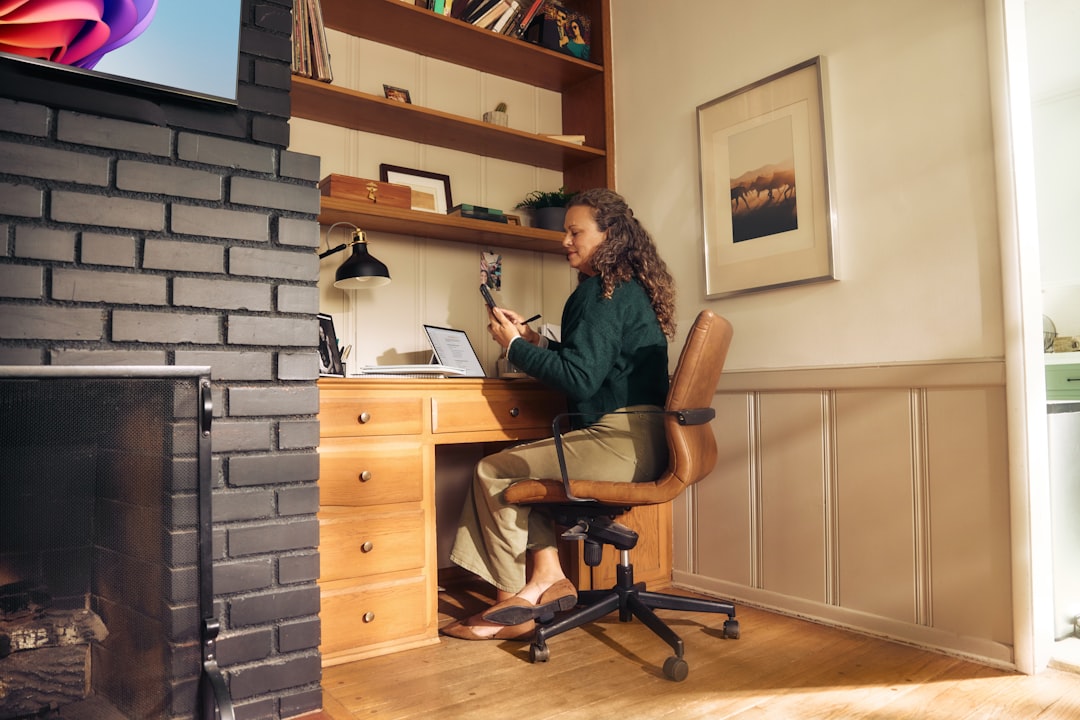
Since market liberalization, households in Japan can switch suppliers or plans freely. Switching providers can save ¥500 to ¥2,000 per month. Many people in Tokyo pay a default rate and never consider that a different plan could match their actual schedule.





Utility bills roughly double in peak summer, from July through August. Knowing this, a resident can shift high-consumption tasks such as laundry to early morning or late evening, when demand on the grid is lower and some plans offer reduced rates. This is less about sacrifice and more about alignment: matching the rhythm of the home to the rhythm of the city.

Implementing basic energy-saving practices can reduce electricity usage by up to 15 percent, while bundled electricity and gas contracts can help households save an additional 3 to 5 percent on monthly utility bills. These numbers are modest individually, but they compound into real savings across a full summer.
A beautiful home can also be an efficient one
The electricity bill in a Tokyo summer is not simply a technical problem. It is an invitation to look at how a home is arranged, how light enters it, how heat moves through it, and which habits have formed without intention. Each of the steps above asks for attention rather than expense.
An electricity bill that falls by even 10 to 15 percent over three summer months represents real money and a real shift in how a home relates to the season it lives in. Begin with the window. Add a sudare. Plant a vine. Switch a bulb. Review the tariff plan. Then notice how the apartment feels in August: cooler, quieter, and more deliberately yours. The electricity bill will reflect every small choice made with care.
Discover more about electricity bill
- Tokyo Metropolitan Government: Energy Conservation and Sustainability
- Japan Times: ‘Green curtains’ take root as communities seek eco-friendly sun protection
- Japan Living Life: Japan Utility Bills, Average Costs and How to Save