A nemophila day trip from Tokyo costs you about 4 hours of travel and rewards you with one of the most photographed landscapes in all of Japan.
When the blue flowers actually bloom
The bloom window is short and varies each year. The best time to see the nemophila flowers is typically from mid-April to early May, though the exact period depends on the weather conditions of that year. Do not book travel on a fixed date without checking first. The park publishes live bloom updates daily on its official site during the season.

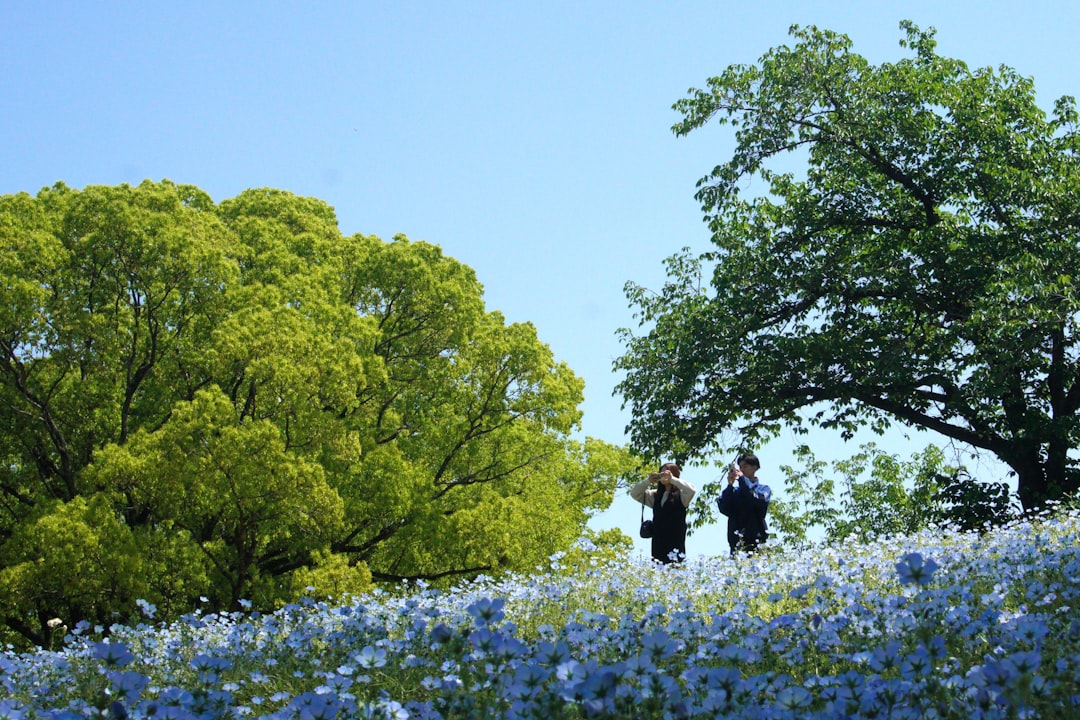
Around 5.3 million nemophila cover about 4.2 hectares on Miharashi no Oka, which translates as Miharashi Hill. Over 5 million pale flowers blanket the hill in a sea of blue, and on clear days the meeting point between land and sky is nearly indistinguishable. The scene looks like a photograph even when you are standing inside it.
The nemophila flower field was selected by CNN as one of Japan’s 36 most beautiful places. That recognition is part of why crowds grow so large. Plan around the peak, not at the center of it, and you will have a better experience.
How to get there from Tokyo by train
The fastest public transport option is the Hitachi or Tokiwa limited express train from Tokyo Station to Katsuta Station, about 1 hour and 30 minutes. From Katsuta Station, take the Ibaraki Kotsu bus to the main park entrance, about 17 minutes. Total travel time from Tokyo is about 2 hours and costs around 4,450 yen.
From Katsuta Station’s east exit, use Bus Stop No. 2. It takes about 15 minutes to the West Gate or 20 minutes to the South Gate. Both gates give you close access to Miharashi Hill. Buy your bus ticket at the station. During the nemophila season, you can buy a combined ticket in front of the bus stop at Katsuta Station, which includes a one-day bus pass to and from the park and the park entrance ticket.

If you plan to drive, note that parking lots fill up by 9:00 AM on busy days and traffic can add significant time to your journey. Public transport is the least stressful option during peak season.
What to expect when you arrive
The park opens at 9:30 from March to October, with extended hours until 18:00 during summer holidays. The park closes on Tuesdays, or the following day if Tuesday is a national holiday. Always confirm hours on the official website before you travel.
During the peak blooming season, especially during Golden Week, early opening hours are sometimes available from 7:00 or 7:30 AM. Arriving at that early opening is one of the best decisions you can make. You can take photos with almost no people around, parking is easy, and in the soft morning light the blue of the nemophila blooms shines most beautifully.





This event attracts thousands of tourists every week during the bloom period. Trains, buses, roads, and the park itself become congested, particularly during Golden Week, which falls just as the nemophila are at their best. A weekday visit before Golden Week is the practical choice if your schedule allows.
A local perspective on the bloom season
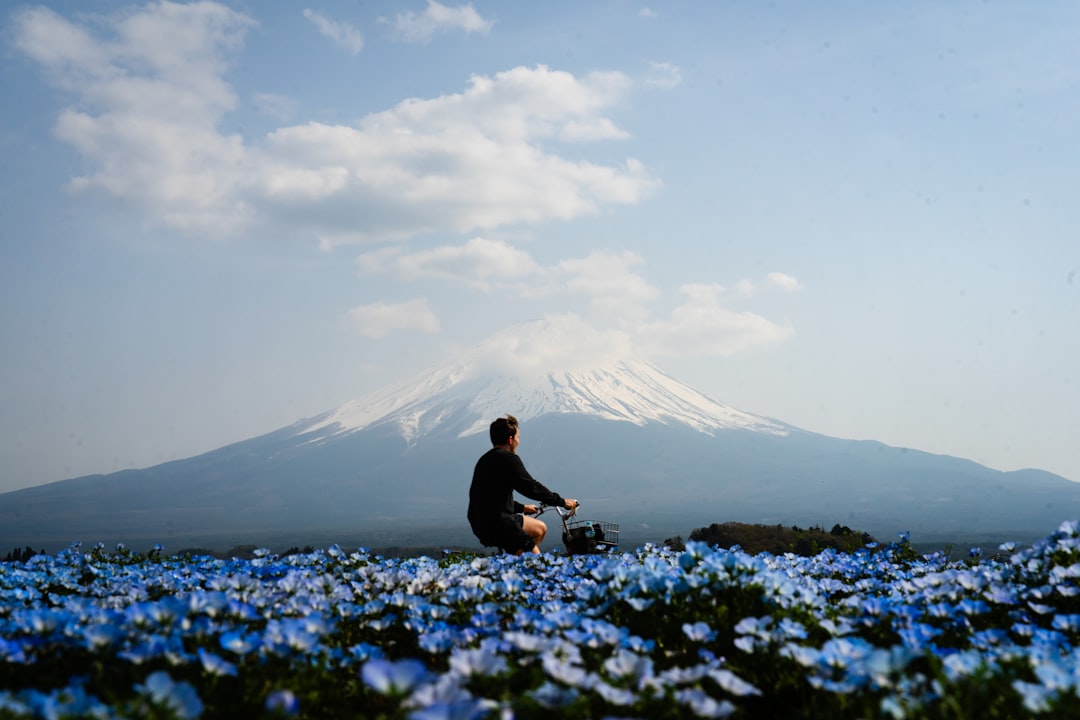
Miharashi Hill during nemophila season is unlike any other flower event in Ibaraki. The hill itself sits at the highest point in Hitachinaka City, and when the flowers reach full coverage, the entire slope shifts to a shade that matches the spring sky above it. Visitors often walk from the West Gate, and by the time they reach the hilltop they go quiet, which does not happen often in a place with this many people. The best advice I give to anyone planning a visit is to arrive as close to opening as possible, bring layers because the coastal breeze is real, and allow at least 2 to 3 hours so you can walk the hill slowly rather than rush through. The park is far larger than the photos suggest.
Travel industry perspective, seasonal tourism and day-trip planning in the Ibaraki and greater Kanto region
What else to see inside the park
Hitachi Seaside Park offers different colorful flowers every season, including nemophila, daffodils, and tulips in spring, poppies and roses in early summer, zinnias and sunflowers in summer, and kochia and cosmos in autumn. A nemophila day trip is only one reason to come here.
Tulips bloom in vivid colors from mid to late April at the Tamago no Mori Flower Garden. You will find small windmills and egg-shaped objects throughout the garden, set against a display of 260,000 tulips. The tulip garden and Miharashi Hill are separate areas, so give yourself enough time for both.
The park also features a small amusement park with over 25 rides and attractions, including a 100-meter Ferris wheel, putter golf, a BMX course, and a roller coaster. Once inside, visitors can also rent a bicycle or ride the Seaside Train to move around the grounds. The park is large, and comfortable footwear matters.
Practical details before you go
Admission fees are 450 yen for adults, 210 yen for seniors aged 65 and older, and free for junior high school students and younger. During the main flower season, an additional seasonal fee of 350 yen applies on top of the standard admission price. Prices can change, so check the official park website for the current rates before your visit.
Ticketing machines accept all payment types. However, prepare cash because food trucks are mostly cash only. There are restaurants and rest areas inside the park, and the park also offers spring-exclusive food and drink during the season, including blue ramune-flavored soft cream served with nemophila-shaped cookies, blue iced tea, blue dango skewers, and lattes.

Plan your nemophila day trip now
A nemophila day trip from Tokyo is one of the most rewarding spring outings available to anyone living in this city. The journey is straightforward, the bloom season is short, and the landscape at Miharashi Hill is genuinely remarkable in person. Check the official park website for live bloom updates, aim for a weekday outside Golden Week, and arrive early. Your nemophila day trip will be far more comfortable and far more beautiful for it. Do not wait until the crowds are already there.
Discover more about nemophila day trips
- Hitachi Seaside Park official English website
- Hitachi Seaside Park on Travel Japan, Japan National Tourism Organization (JNTO)
- 5.3 Million Baby Blues in Bloom: Nemophila Peak Announced at Hitachi Seaside Park, Live Japan (April 2026)
[End of deliverables]