Tokyo hydrangeas are one of the most underrated reasons to love living in this city, and June’s rainy season is exactly when they ask for your full attention.
What tsuyu actually means for your plans
Japan’s rainy season, known as tsuyu, is the season when hydrangeas thrive. The hydrangea is the flower of the rainy season. The Japan Meteorological Agency typically declares tsuyu for the Kanto region somewhere between June 6 and June 11, with the season ending around July 19 to July 22. That window is your calendar for ajisai hunting.
Tokyo does not rain solidly for six weeks. In a typical year, heavier rain falls in the second half of June, around the hydrangea peak, followed by a brief break in early July. So you have real opportunity to get outside. The average temperature is 24.7°C, with maximum temperatures of around 29.3°C. The humidity makes it feel warmer, so it is best to wear light, breathable clothing. A raincoat or folding umbrella is also a smart choice.
June offers a quieter alternative to peak tourist seasons, making it ideal for immersive experiences. Fewer crowds at the best spots is a genuine bonus for anyone who already lives here.
The best spots for Tokyo hydrangeas in central Tokyo
In early summer, over 3,000 hydrangeas around Hakusan-jinja Shrine and Hakusan Park come into bloom, brightening up the city during Japan’s rainy season. The shrine sits in Bunkyo City, in central Tokyo. The Bunkyo Hydrangea Festival celebrates the full bloom with food stalls, an omikoshi procession, concerts, and potted hydrangea sales. In 2026, the festival runs from June 6 to 14.
Just a short walk from Sensoji Temple in Asakusa, Sumida Park offers a relaxing hydrangea walk along the Sumida River. It is one of the best spots to enjoy seasonal flowers while also catching iconic Tokyo views, especially with Tokyo Skytree rising behind the blooms. Hydrangeas there typically bloom from early to late June, with peak viewing around mid-June.

The hydrangea garden of Tamagawadai Park in Denenchofu is another strong choice. Around 3,000 hydrangeas of 7 different varieties flower around mid-June along the slopes, pathways, and stairs of the park. The garden is rarely crowded, even on weekends, which gives it the feel of a quiet neighborhood secret.
A day trip that is worth every minute: Kamakura
If you can travel outside Tokyo, Meigetsuin in Kamakura is a must. Known as the “hydrangea temple,” nearly every plant in the grounds is a blue Hime-ajisai variety, creating a landscape unlike anywhere else. Admission is around 500 yen during hydrangea season.
Crowds are real. On peak weekends, lines start forming around 7:30 and waits can exceed an hour. The best time to visit is on weekday afternoons after 16:00, when visitors drop off and you can enjoy the blue flowers in soft evening light. Visiting on a rainy day is actually ideal. Raindrops on the blue-purple petals bring out deeper colors, and there are noticeably fewer visitors.


Meigetsuin Temple, Hasedera Temple, and Jojuin Shrine are considered the 3 great Kamakura hydrangea viewing spots. You can combine all 3 in a single day trip from Shinjuku or Shibuya with a JR Pass or a standard Tokaido Line ticket.
Local perspective on ajisai season
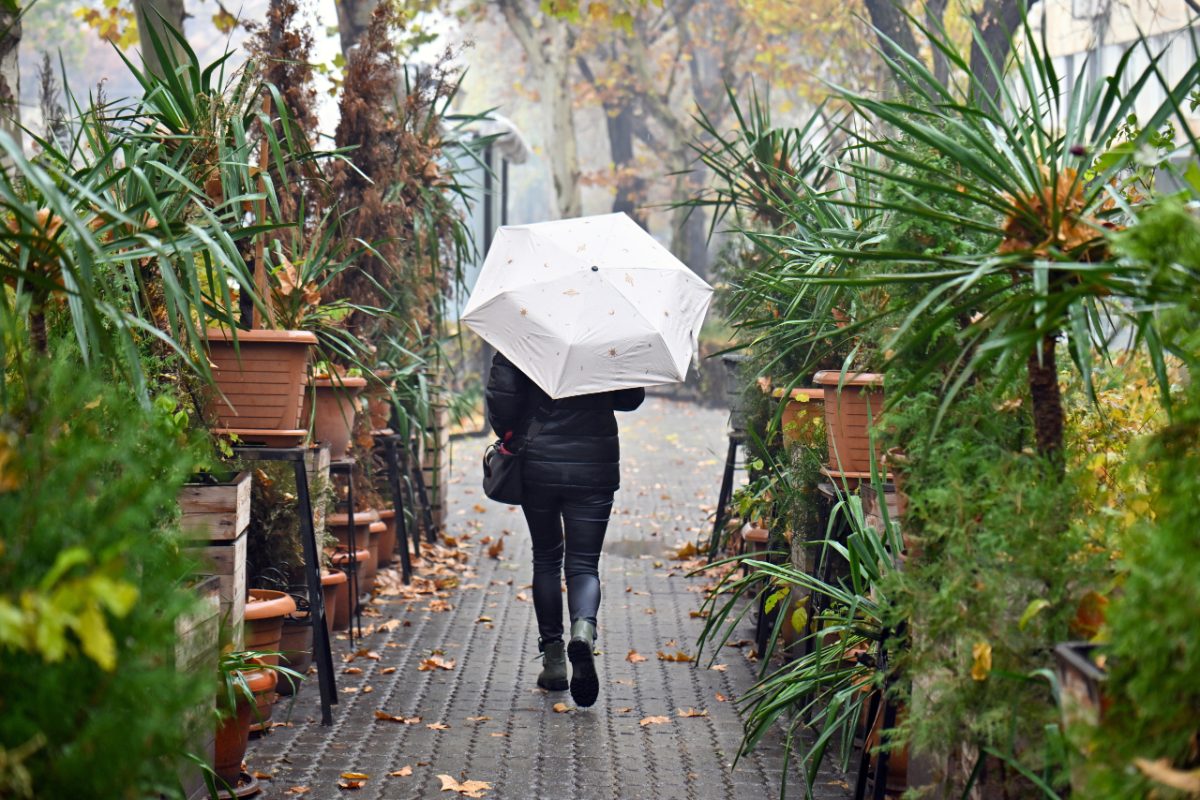
Tokyo hydrangeas are not just a photo opportunity. They are a signal. When the ajisai open, the city shifts gear. The air gets heavier, the light goes softer, and residents slow down in a way they rarely do the rest of the year. Locals visit these spots early in the morning, before the tour groups arrive, and they bring an umbrella not as a precaution but as an essential tool. The flowers genuinely look better wet. The petals hold water, the colors deepen, and the crowds thin out. If you are serious about seeing Tokyo hydrangeas at their finest, choose a light drizzle morning over a bright sunny afternoon every single time. The tsuyu season is short. It is also one of the most honestly beautiful periods the city offers.
Local garden and seasonal nature guide, Bunkyo City, Tokyo
Practical tips for your ajisai outings
Visit on cloudy or rainy days for deeper flower colors and fewer crowds. Go early in the morning to avoid peak times. Many locations also offer evening illuminations, so check ahead for night-viewing events.
Inside Tokyo Summerland’s Wonderful Nature Village, you can enjoy around 15,000 hydrangeas of about 60 types, and you can bring your dog on the hike. That is a surprisingly fun option for residents with pets. At Takahata Fudoson Temple’s hydrangea festival, you can enjoy the sight of blooms surrounding a 5-story pagoda.
Bloom periods vary depending on the weather each year. Always check the latest flowering status on official websites or official social media before visiting. A quick search the morning of your outing saves you a wasted trip across the city.
Conclusion: go and see Tokyo hydrangeas this June
Tokyo hydrangeas are not a bonus feature of June. They are the main event for anyone who pays attention to this city’s seasonal rhythm. Every June, Tokyo transforms when thousands of hydrangeas bloom across parks, temples, and gardens. These flowers range from soft blues and purples to deep pinks and whites, creating a stunning backdrop during Japan’s rainy season.
Pick 2 or 3 spots from this guide, check the bloom status the night before, pack a compact umbrella, and get out early. Tokyo hydrangeas reward patience and a little preparation. You will not regret making the effort.

Discover more about Tokyo hydrangeas
- GO TOKYO: June Events and Hydrangeas in Tokyo
- Tokyo Weekender: 10 Best Hydrangea Festivals in Japan
- MATCHA Japan Travel Guide: Where to See Hydrangeas in Tokyo in June