Japanese fabrics carry a quiet wisdom that speaks directly to the body in heat, a wisdom Tokyo tests fully every August.
Why August in Tokyo asks so much of your wardrobe
In Tokyo, August is relentlessly hot. High humidity often makes a 32°C day feel like 38°C. The city does not soften its conditions for anyone. Humidity is the factor that rewrites the logic of dressing entirely. At 80 percent humidity, sweat stops evaporating efficiently, so bare skin does not cool you the way it would in dry heat. What cools you is airflow across skin, shade you carry with you, and fabric that moves moisture.

This is precisely where Japanese tradition holds an answer that no synthetic material can fully match. For centuries, Japanese artisans have refined textiles designed for exactly this climate. The materials they developed are not nostalgic curiosities. They are practical, beautiful, and deeply relevant to the modern wardrobe.
French sensibility, too, understands that quality clothing is not a luxury but a daily act of care. The two traditions meet naturally here: choose well, dress with intention, and let the fabric do its work.
The science and soul of breathable plant fibers
Fabrics made from hemp, jute, ramie, and linen are collectively known in Japan as asa orimono, and high-quality asa orimono is called jofu. These plant-based fabrics have superior absorbency and wicking, and they easily release heat and moisture from the body. They also have firmer fibers compared to cotton or silk, so they are highly breathable. With their light-feeling texture, they are ideal fabrics for summer clothing.
The science behind this comfort is straightforward. Linen and hemp fibers have hollow cores that absorb and expel moisture, so hanging them in a well-ventilated place allows them to dry very quickly. This same hollow structure allows air to circulate against the skin continuously. The result is not just physical coolness. It is a kind of calm, the sensation of a garment working with your body rather than against it.

Choosing these Japanese fabrics is also a choice for the planet. Hemp is one of the most eco-friendly fabrics available. The Cannabis Sativa plant resists pests and weeds and can grow fast without agrochemicals and large amounts of water. It also absorbs more CO2 during cultivation than other plants and helps to improve the soil.
Linen, hemp, and ramie: 3 Japanese fabrics to know
Linen is the most accessible starting point. Made from the fibers of the flax plant, linen is among the most breathable fabrics available. The natural hollow fibers allow linen to provide more airflow over your body than other materials. Linen was introduced to Japan in the Meiji period (1868 to 1912) and has become a pillar of Japanese summer dressing. A loose linen shirt or wide-leg linen trouser in a pale, neutral tone is an entirely practical choice for Tokyo streets.
Hemp, specifically the Japanese variety made from the karamushi plant, offers something more textured and more traditional. The town of Ojiya in Niigata Prefecture is known for producing Ojiya-chijimi, a unique hemp fabric that features a crinkled texture. This texture, called “shibo,” gives the fabric a cooling effect and makes it perfect for hot, humid climates. The slight roughness of hemp softens with wear, and the fabric carries a quiet visual distinction that suits Tokyo’s considered street style.
Ramie is the least known of the 3, yet it deserves more attention. Many producers specialize in asa orimono, which covers ramie and hemp fabrics known for breathability and strength. High-quality ramie appears at small mills supplying traditional clothing, summer wear, and interior textiles. Ramie has a natural luster that catches light beautifully. It holds its shape through the day, even in humidity.
An industry perspective on wearing natural in summer
Tokyo’s summer has always been the great teacher of textile knowledge. The people who have dressed well here for generations have understood something fundamental: the body needs fabric that communicates with the air around it, not fabric that seals it in. Plant fibers like linen, ramie, and hemp do not simply absorb sweat. They create a microclimate between skin and cloth. Japanese craft traditions recognized this long before it became a topic of discussion in sustainability circles. The real innovation is not in new materials but in returning to the materials that already work. A well-made jofu garment from a traditional Japanese mill will outperform almost any synthetic alternative in summer comfort, and it will do so while aging into something more beautiful with every wearing.
Industry perspective, sustainable textiles and traditional Japanese craft professionals
How to build a Tokyo August wardrobe with intention
Start with the principle of looseness. Light colors reflect heat better than dark ones. Loose-fitting clothes help because anything tight traps heat against your skin. Choose silhouettes with room to move: wide trousers, open-collar shirts, relaxed dresses with length enough to protect from the sun.
Layer with purpose. Linen is often cooler because it is typically woven with more airflow and the fiber handles moisture well. A light, open cotton like gauze, dobby, or seersucker can also feel very cool. Combining a ramie top with linen trousers creates a fully breathable outfit that also looks composed and deliberate. This is the French-Japanese principle applied directly: each piece earns its place.
Care for these garments with the same attention you bring to wearing them. Linen and hemp strengthen when damp, which allows frequent machine washing. Avoid bleach and fluorescent agents to preserve fibers and color. Hang garments in the shade to dry, and iron linen while still slightly damp for the best result. These small rituals are part of the pleasure.
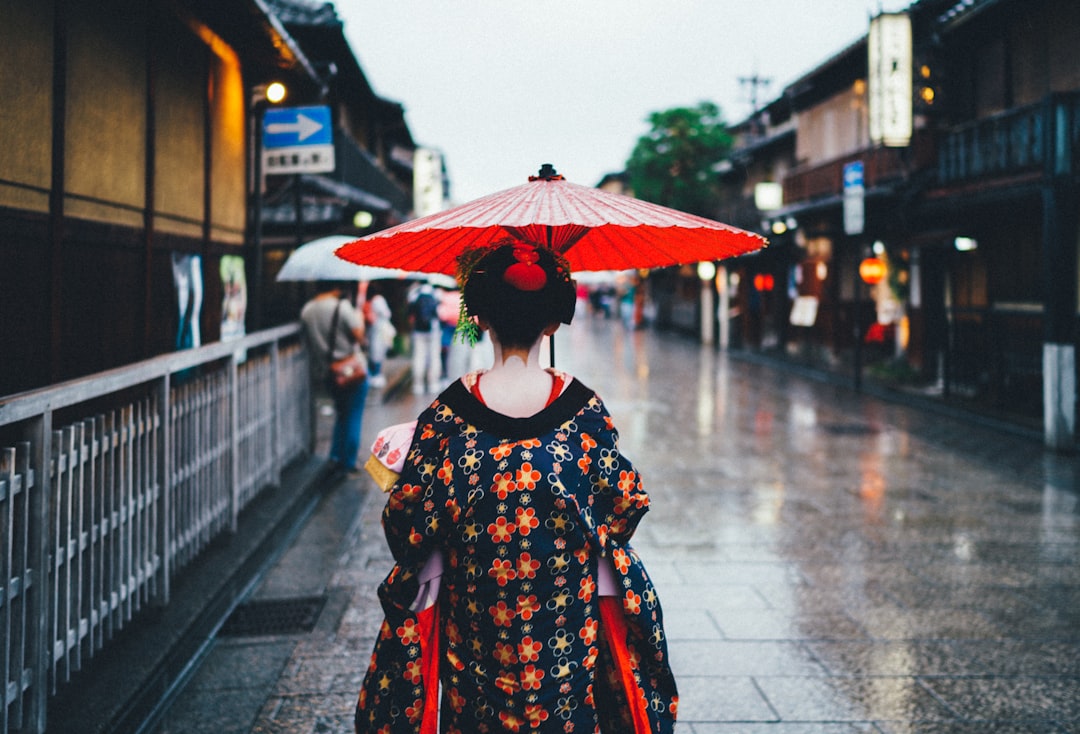
Conclusion: Japanese fabrics as a practice of daily beauty
Japanese fabrics are not a seasonal trend. They are an invitation to dress with knowledge and care, day after day. Since ancient times, Japan has had a culture of spinning thread and making fabric from plants such as hemp and ramie. That culture continues in the mills of Niigata, in the Asakusa fabric markets, and in the hands of designers working in Daikanyama and Shimokitazawa today.





For August in Tokyo, Japanese fabrics offer the clearest possible answer to the city’s heat: breathability that is also beauty, comfort that is also craft. Choose linen, hemp, or ramie this summer. Wear them with the intention they deserve. Visit a local fabric shop, touch the textiles, and let the material guide your choice. This is dressing as a daily ritual, and it asks nothing more than your full attention.

Discover more about Japanese fabrics
- Handmade Hemp and Ramie Fabrics Fit for the Summer Heat, Japan Government Online
- Advancements in Natural Fibers for Sustainable Textile Manufacturing, ScienceDirect
- What Do People Wear in Tokyo in Summer, Cheku
[End of article body]