CONTACT
  • Login
Upgrade
TOKYOwebzine
Advertisement
  • Home
    • Our Authors
    • Media Kit
    • Contact
    • Cookie Policy
    • Terms and Conditions
  • News
  • Business
  • Lifestyle
    • Beauty
    • Kids
    • Sustainable living
    • Well-being
    • Sports
    • Creativity
  • Culture
  • Gastronomy
  • Travel
  • Global Tokyo
  • Insights
  • Local Guide
    • Activities in Tokyo
    • Hotels in Tokyo
    • Nightlife in Tokyo
    • Restaurants in Tokyo
    • Services in Tokyo
    • Shopping in Tokyo
  • Home
    • Our Authors
    • Media Kit
    • Contact
    • Cookie Policy
    • Terms and Conditions
  • News
  • Business
  • Lifestyle
    • Beauty
    • Kids
    • Sustainable living
    • Well-being
    • Sports
    • Creativity
  • Culture
  • Gastronomy
  • Travel
  • Global Tokyo
  • Insights
  • Local Guide
    • Activities in Tokyo
    • Hotels in Tokyo
    • Nightlife in Tokyo
    • Restaurants in Tokyo
    • Services in Tokyo
    • Shopping in Tokyo
No Result
View All Result
TOKYOwebzine
No Result
View All Result
Home Luxury Lifestyle Sustainable living

Tokyo’s Obon Revival: Vintage Yukata & Summer Kimono

Vintage yukata and summer kimono are becoming Tokyo's most beautiful answer to fast fashion this August.

woman in a vintage yukata walks through a Tokyo street market, representing the beauty of yukata fashion during Obon season.

Yukata fashion is transforming Tokyo’s Obon season into something the city has not seen before: a celebration where sustainable style, ancestral memory, and pure textile beauty all arrive at once, dressed in indigo and cotton.

The garment that never goes out of style

The yukata has a long and democratic history. Originally worn by nobles during the Heian period, it moved into public life during the Edo era, when townspeople wore it to public baths and summer events. The fabric was easy to wash, breathable, and designed to make elegance available to everyone.

Today, the yukata remains an informal, unlined cotton garment traditionally worn in summer or at festivals. It is the opposite of disposable fashion. A genuine silk kimono lasts a hundred years or more. In a Japanese family, it passes from one generation to the next, like heirloom jewelry or artwork.

The beauty of the kimono lies in its humble and refined design that stays unchanged for hundreds of years, and in people’s behavior to cherish their belongings as long as possible. That philosophy is now finding a new and urgent audience in Tokyo.

Obon, the season when yukata fashion returns to the streets

Obon is not only a time for reflection. It is also a lively festival with music, dancing, and street food stalls. In 2025, the Obon holiday period runs from August 13 to August 16. Across the city, neighborhoods transform into open-air gatherings where yukata-clad figures move through lantern light and music.

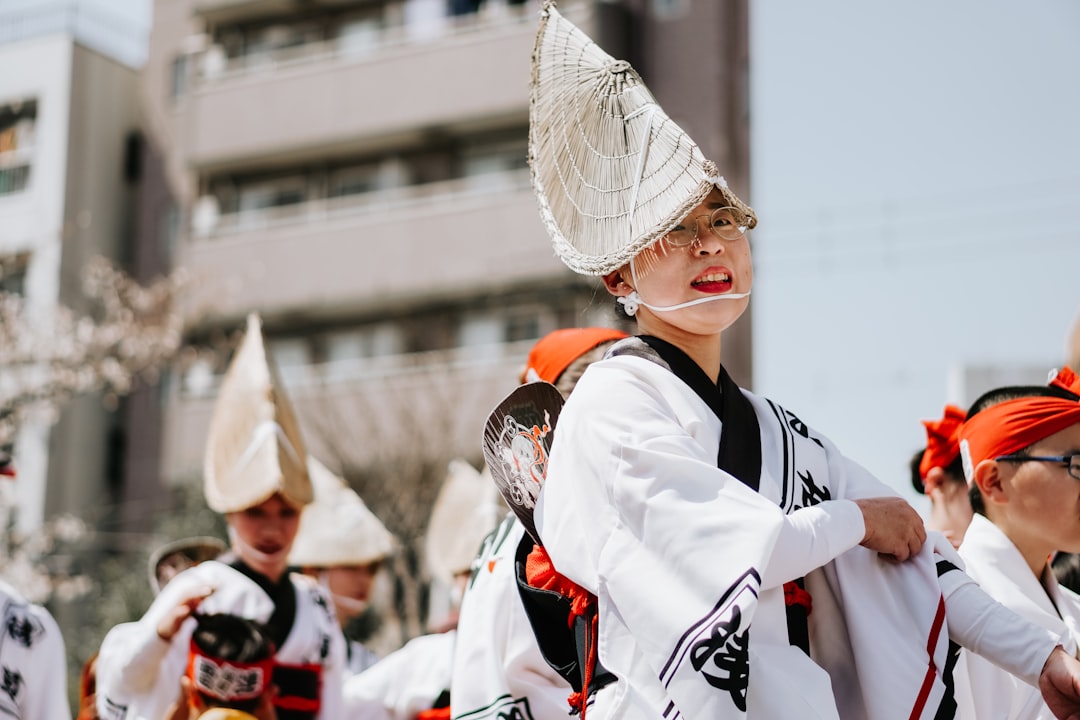
You will see yukata-wearing people of all ages dancing at Bon-odori or Awa-odori events in parks and through the streets. The garment asks nothing complicated of the wearer. It asks only presence. Paired with geta sandals and an obi belt, the yukata completes a perfect summer look.

https://noornoor.biz https://noornoor.biz https://noornoor.biz

For a French sensibility, this resonates deeply. The French tradition of getting dressed well for a single afternoon, of choosing a garment that holds a story, finds an elegant mirror in the Japanese art of wearing yukata with full intention and care.

Where Tokyo shops for vintage yukata this August

Places like Shimokitazawa and various flea markets scattered throughout the city are treasure troves for unique finds. Buying there also contributes to sustainable fashion by giving these beautiful garments a second life.

The Harajuku area offers a variety of vintage shops that specialize in second-hand kimonos and yukata. Tansu and Mandarake are popular spots in the area, with a great selection of recycled kimono fashion. These shops often feature unique, high-quality pieces, making them a favorite among collectors.

Recent summers have also brought lace yukata, plus-size and tall options, and two-piece separate yukata that you can put on in minutes. On the secondhand side, used yukata at Chicago in Harajuku are mostly in the 2,000 to 5,000 yen range. The vintage market is generous and growing.
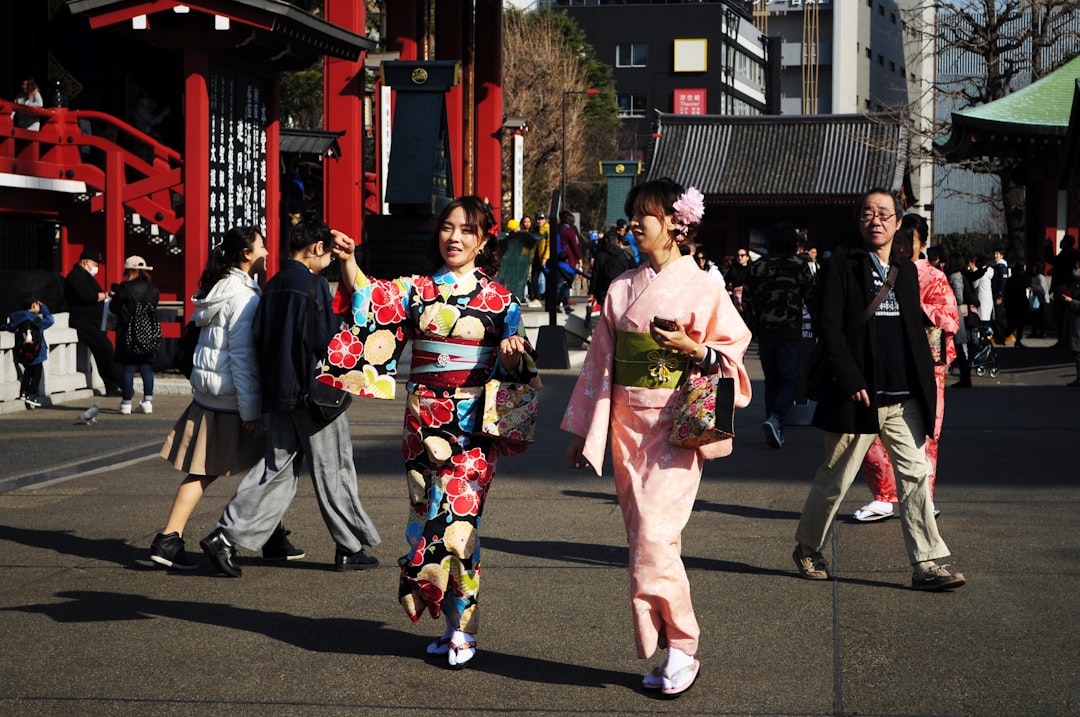
Two friends browse colorful garments at a Tokyo vintage market, discovering secondhand yukata fashion with care and joy.

Expert perspective on sustainable yukata fashion

Yukata fashion sits at a rare intersection: it is simultaneously traditional, ecological, and deeply personal. A vintage yukata carries within it the hands of the artisan who dyed the fabric, the memory of the person who wore it first, and the intention of the person wearing it now. When someone chooses a second-hand yukata over a disposable synthetic garment, they make a statement that goes beyond trend. They participate in a living craft lineage. The secondhand kimono and yukata market in Japan is one of the most mature in the world precisely because these garments were designed from the beginning to be passed on, repaired, and re-loved. That is the true definition of sustainable fashion.

Industry perspective, sustainable fashion and traditional textile professionals in Tokyo

The numbers behind the movement

Japan’s Ministry of the Environment found that around 60% of people in Japan recognize the term sustainable fashion and about 40% are interested in or acting on it. Roughly 4 in 10 say they buy or would buy second-hand clothing.

In recent years, Japan’s vintage and secondhand fashion culture has grown in interest and popularity. Previous fashion week events have mainly promoted new trends and materials, but a new generation of curators aims to redefine fashion consumption and give old items new life through recycling and restyling.

Brands working in this space ground their approach in sustainability. By upcycling vintage kimonos, they reduce waste and minimize the environmental impact of garment production. This commitment to eco-friendly fashion is a core part of their philosophy.
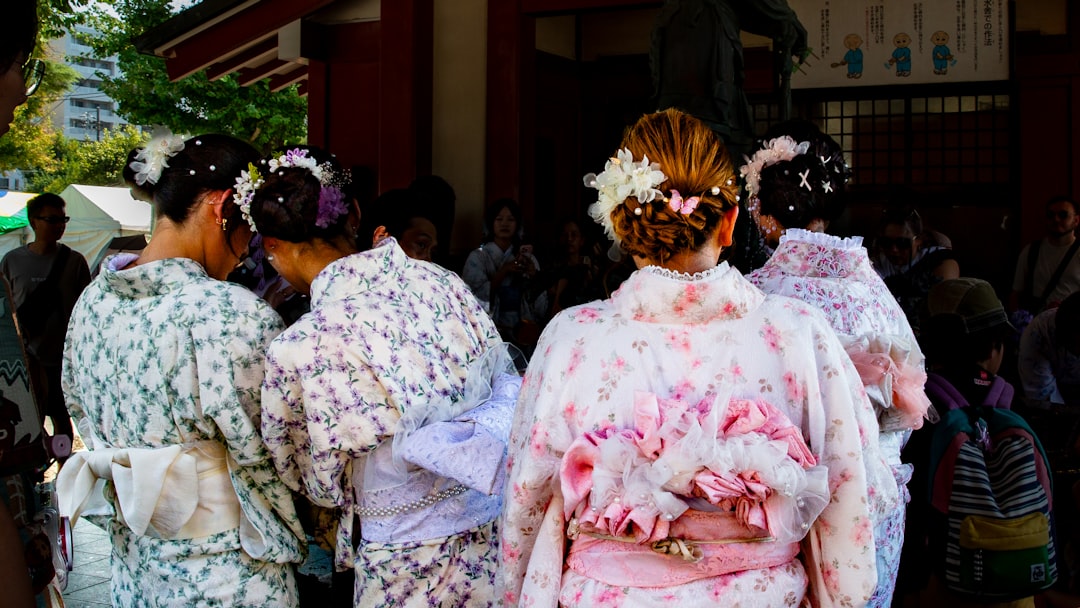
women dressed in traditional yukata fashion, connecting craft and personal ritual in the Tokyo summer.

How to style a vintage yukata in the Tokyo summer

The art of styling a vintage yukata requires the same attention that a Parisian applies to a well-chosen linen dress: proportion, restraint, and one detail that surprises. Start with the fabric itself. Traditional motifs carry layers of meaning: iris blooms represent strength and protection, maple leaves represent beauty in change, and seigaiha waves represent peaceful continuity and good fortune.

For a deeper-colored yukata, pair it with a bright obi to create a striking contrast. Adding an accent color with a decorative obi cord gives a more polished and sophisticated touch. A natural, woven kago bag softens the look and gives off a breezy, cool feel.

More customers are also bringing in yukata inherited from family members, asking artisans to refresh or resize them. This is fashion as inheritance, not consumption.

Yukata fashion and the beauty of wearing slowly

This August in Tokyo, yukata fashion offers something rare: a garment that is already sustainable before you buy it, already beautiful before you style it, and already meaningful before you step outside. The choice to wear a vintage yukata during Obon is not a sacrifice of style. It is the fullest possible expression of it.

Vintage pieces often have unique patterns and details that make them one of a kind. Owning a recycled kimono or yukata allows you to connect with Japanese tradition and wear a piece of history. In a city as alive and forward-moving as Tokyo, that connection to the past is a quiet and powerful act.


-

A woman wearing pieces from her capsule wardrobe made of natural-dye Japanese textiles

Capsule wardrobe with Japanese textiles

28/08/2026
A woman in Tokyo carefully practising furoshiki wrapping with a patterned square textile

Furoshiki wrapping: Tokyo shops and workshops

24/08/2026
A woman dressed in loose natural Japanese fabrics walks through a shaded Tokyo street on a hot August afternoon

Japanese fabrics for Tokyo’s August heat

17/08/2026
woman in a vintage yukata walks through a Tokyo street market, representing the beauty of yukata fashion during Obon season.

Tokyo’s Obon Revival: Vintage Yukata & Summer Kimono

15/08/2026
A woman in her minimalist Tokyo apartment, showing how thoughtful objects create a calm interior.

Minimalist Tokyo apartment guide

05/08/2026
A woman arranges a traditional sudare bamboo blind in her Tokyo apartment to reduce heat

Electricity bill cuts for Tokyo apartments

29/07/2026

Seek out your yukata this August. Wear it slowly. Wear it well. Yukata fashion, at its best, asks you to be present, grateful, and beautiful all at once.

Discover more about yukata fashion

  • Japan Ministry of the Environment: Sustainable Fashion Policy
  • Tokyo Cheapo: Where to Buy a Yukata in Tokyo
  • Savvy Tokyo: Kimono Turned Into Graceful Modern Dresses

[End of deliverables]

author avatar
Ashley Brooks
Ashley Brooks grew up in San Francisco and arrived in Tokyo as a travel blogger with a one-way ticket and a notebook. Six years later, she is the go-to voice for anyone navigating Tokyo as a newcomer, expat, or curious visitor. From hidden izakayas in Shimokitazawa to the best cherry blossom routes outside the guidebooks, her writing is practical, warm, and always honest about what it really means to live in one of the world's most fascinating cities.
See Full Bio
Previous Post

Tokyo ryokan picks for Obon season

Next Post

Tokyo’s Obon Revival: Vintage Yukata & Summer Kimono

Related Posts

A woman wearing pieces from her capsule wardrobe made of natural-dye Japanese textiles
Sustainable living

Capsule wardrobe with Japanese textiles

28/08/2026
A woman in Tokyo carefully practising furoshiki wrapping with a patterned square textile
Sustainable living

Furoshiki wrapping: Tokyo shops and workshops

24/08/2026
A woman dressed in loose natural Japanese fabrics walks through a shaded Tokyo street on a hot August afternoon
Sustainable living

Japanese fabrics for Tokyo’s August heat

17/08/2026
woman in a vintage yukata walks through a Tokyo street market, representing the beauty of yukata fashion during Obon season.
Sustainable living

Tokyo’s Obon Revival: Vintage Yukata & Summer Kimono

15/08/2026
A woman in her minimalist Tokyo apartment, showing how thoughtful objects create a calm interior.
Sustainable living

Minimalist Tokyo apartment guide

05/08/2026
Next Post
woman in a vintage yukata walks through a Tokyo street market, representing the beauty of yukata fashion during Obon season.

Tokyo’s Obon Revival: Vintage Yukata & Summer Kimono

Leave a Reply Cancel reply

Your email address will not be published. Required fields are marked *

No Result
View All Result

Our Focus

TOKYOwebzine is your international window on Tokyo: lifestyle, business, culture, sports and events for a global audience drawn to the city's unique blend of tradition and innovation.

Our Readers

TOKYOwebzine addresses readers who engage with Tokyo at a high level: professionally, financially, strategically, and as decision-makers in their fields.

Our Approach

Lifestyle, design, and culture are integrated as context and indicators of economic precision, creative depth, and Japan's enduring global influence, not standalone entertainment.

Recent Post

  • Mt Fuji climbing: what hikers must know
  • Gluten-free izakaya: Tokyo guide

© 2026 TOKYOwebzine by NOOR & NOOR — part of WEBZINE.world.

Welcome Back!

Login to your account below

Forgotten Password?

Retrieve your password

Please enter your username or email address to reset your password.

Log In
Manage Consent
To provide the best experiences, we use technologies like cookies to store and/or access device information. Consenting to these technologies will allow us to process data such as browsing behavior or unique IDs on this site. Not consenting or withdrawing consent, may adversely affect certain features and functions.
Functional Always active
The technical storage or access is strictly necessary for the legitimate purpose of enabling the use of a specific service explicitly requested by the subscriber or user, or for the sole purpose of carrying out the transmission of a communication over an electronic communications network.
Preferences
The technical storage or access is necessary for the legitimate purpose of storing preferences that are not requested by the subscriber or user.
Statistics
The technical storage or access that is used exclusively for statistical purposes. The technical storage or access that is used exclusively for anonymous statistical purposes. Without a subpoena, voluntary compliance on the part of your Internet Service Provider, or additional records from a third party, information stored or retrieved for this purpose alone cannot usually be used to identify you.
Marketing
The technical storage or access is required to create user profiles to send advertising, or to track the user on a website or across several websites for similar marketing purposes.
  • Manage options
  • Manage services
  • Manage {vendor_count} vendors
  • Read more about these purposes
View preferences
  • {title}
  • {title}
  • {title}
No Result
View All Result
  • Home
    • Our Authors
    • Media Kit
    • Contact
    • Cookie Policy
    • Terms and Conditions
  • News
  • Business
  • Lifestyle
    • Beauty
    • Kids
    • Sustainable living
    • Well-being
    • Sports
    • Creativity
  • Culture
  • Gastronomy
  • Travel
  • Global Tokyo
  • Insights
  • Local Guide
    • Activities in Tokyo
    • Hotels in Tokyo
    • Nightlife in Tokyo
    • Restaurants in Tokyo
    • Services in Tokyo
    • Shopping in Tokyo

© 2026 TOKYOwebzine by NOOR & NOOR — part of WEBZINE.world.

Are you sure want to unlock this post?
Unlock left : 0
Are you sure want to cancel subscription?
Verified by MonsterInsights
enEnglishja日本語