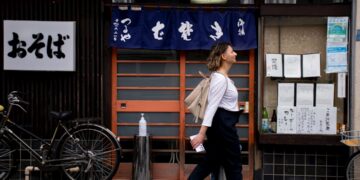
A capsule wardrobe rooted in Japanese craft begins not with a shopping list, but with a question: what does it mean to wear something well?
Why Japanese textiles suit a seasonless approach
Tokyo’s 4 seasons demand versatility. Yet Japanese textile traditions have always understood this. Artisans across Japan have spent centuries developing fabrics that breathe in summer, layer in winter, and age with beauty. These qualities make Japanese textiles a natural foundation for a capsule wardrobe that works across every season.

Natural dyes come from tree bark, wood, grass, roots, and flower petals. The colors are warm and soft. These neutral tones are completely different from primary colors. This matters greatly for a capsule wardrobe. Neutral, plant-derived tones mix easily with each piece you own.
Linen and organic cotton woven in Japan carry a structural quality that synthetic fabrics cannot replicate. They soften with each wash. They improve with time. For a capsule wardrobe, this is precisely the point: each piece becomes more itself, not less.
How to choose certified organic fabric in Tokyo
Certification is the first step. Not all fabric labeled “natural” is organic. GOTS certification is a comprehensive process that ensures the organic status of textiles from the harvesting of raw materials through environmentally and socially responsible manufacturing to labelling. Look for this mark when you shop.
In Japan, GOTS aligns with buyer codes of conduct, procurement policies, and sustainability standards. Several Tokyo-based brands carry GOTS-certified organic cotton. TENERITA uses organic cotton that is GOTS certified and also certified OCS100. This certification comes from the global non-profit Textile Exchange and marks the amount of organic materials used in the production process.

Beyond certification, visit makers who dye in small batches. Clothing handmade and dyed in small batches preserves the natural feel of the fabric. This craft approach also limits waste, which is central to the ethics of a capsule wardrobe philosophy.
The 10 pieces that form the core
A capsule wardrobe of 10 pieces built from Japanese textiles can carry you through the entire year. Select each item with care. Every piece must work with at least 3 others already in your collection.
Start with 2 organic linen shirts in plant-dyed neutrals: one a warm persimmon tone, one a deep indigo. Kakishibu, a persimmon-based dye, has been used in Japan for over 800 years and dyes fabric a lovely orange-brown. Add 2 pairs of trousers in undyed organic cotton, 1 layering kimono jacket in natural linen, 1 knit top in organic cotton, 1 light woven coat, 1 simple dress, and 2 base-layer pieces.





The capsule wardrobe framework makes this care investment rational because the wardrobe is small enough that each piece gets the attention it deserves. Caring for 10 pieces is sustainable; caring for 50 pieces correctly is not. Wash in cold water. Air dry. Store folded. These habits become their own small ritual.

An industry perspective on organic textiles
Natural dyeing in Japan is not a trend. It is a living tradition that connects the maker, the plant, and the wearer across generations. When a customer chooses an indigo-dyed organic cotton piece over a synthetic alternative, they participate in a supply chain that is measurably cleaner. GOTS certification gives that choice a verifiable foundation. In Japan, we see growing demand from younger consumers who want both beauty and accountability in what they wear. The craft is not in conflict with sustainability standards. In many ways, the oldest Japanese textile traditions anticipated what modern certification now requires: no toxic inputs, minimal processing, and deep respect for the material.
Industry perspective, sustainable textile and organic certification professionals in Japan
Where to find natural-dye Japanese textiles in Tokyo
Tokyo offers several dedicated spaces for organic and natural-dye fabric. Kuramae, east of Ueno Station, is a neighborhood where small craft studios and atelier shops concentrate. MAITO conducts natural dyeing workshops for those who wish to learn the art of dyeing fabrics using elements from nature. The namesake atelier shop is located to the east of Ueno Station in Kuramae.
Aikuma is a Japanese traditional dyes store serving indigo, natural dyes, and tools. The store started in 1818 in Asakusa, Tokyo. A visit to Asakusa and Kuramae in the same afternoon gives you direct contact with both historic craft and contemporary slow fashion.
Some Japanese brands use 2 types of dyeing methods. One is plant-dyeing, using materials such as tincture, persimmon, and yam. Ask makers directly about their process. Transparency in the supply chain is a mark of quality you can rely on.

Conclusion: wear less, feel more
A capsule wardrobe built on Japanese textiles is not about restriction. It is about clarity. Each morning, you reach for a piece that has a maker behind it, a plant inside its color, and a story worth keeping. The rise of sustainable fashion encourages consumers to purchase long-lasting, timeless pieces. The ideal capsule wardrobe consists of a small collection of pieces that work well together and are easily interchangeable.
Begin with 1 piece. Choose organic. Choose craft. Let your capsule wardrobe grow slowly, the way a good linen shirt softens: with time, with use, with intention. In Tokyo, the resources are here. The tradition is alive. All you need is the decision to begin.

Discover more about capsule wardrobe
- Global Organic Textile Standard (GOTS)
- GOTS Annual Report 2025: Certified Entities and Sustainability Standards
- Savvy Tokyo: Sustainable Fashion Brands in Japan That Use Natural Materials
[End of deliverables]