Autumn equinox week arrives in Tokyo every September, and the city’s shitamachi neighborhoods quietly become the best window into how Japanese families honor their dead, their seasons, and each other.
What Ohigan actually is
Ohigan is a 7-day observance built around the equinox itself. It runs 3 days before the equinox and 3 days after, with the equinox day at the center. In 2026, that window falls from September 20 through September 26. Most long-term Tokyo residents know the week by feel: the flower sellers near temple gates get busier, incense smoke hangs in the morning air, and trains fill with families carrying bouquets.
In Buddhist tradition, the equinox is considered a time when the boundary between the living and the dead is at its thinnest. The Japanese traditionally call this period “Higan” or “Ohigan,” which translates as “the other side of the river.” It is a Buddhist custom, though it is often described as uniquely Japanese, with no real equivalent in India or China.
While the day became a public holiday in 1948, people had been celebrating it long before, originally as Shuuki Koureisai, a Shinto and Buddhist observance. That history is still visible in shitamachi. The temples here have old roots, and the families that attend them have often used the same grave site for many generations.
Why shitamachi temples feel different during this week
By the early modern period, under a system in which people had to register with a temple, middle and upper-class people living in Edo (present-day Tokyo) began to erect tombstones for their families at their family temples. That relationship between Tokyo families and their local temples did not disappear. In shitamachi areas like Yanaka, Nezu, and Asakusa, you can still see it directly.

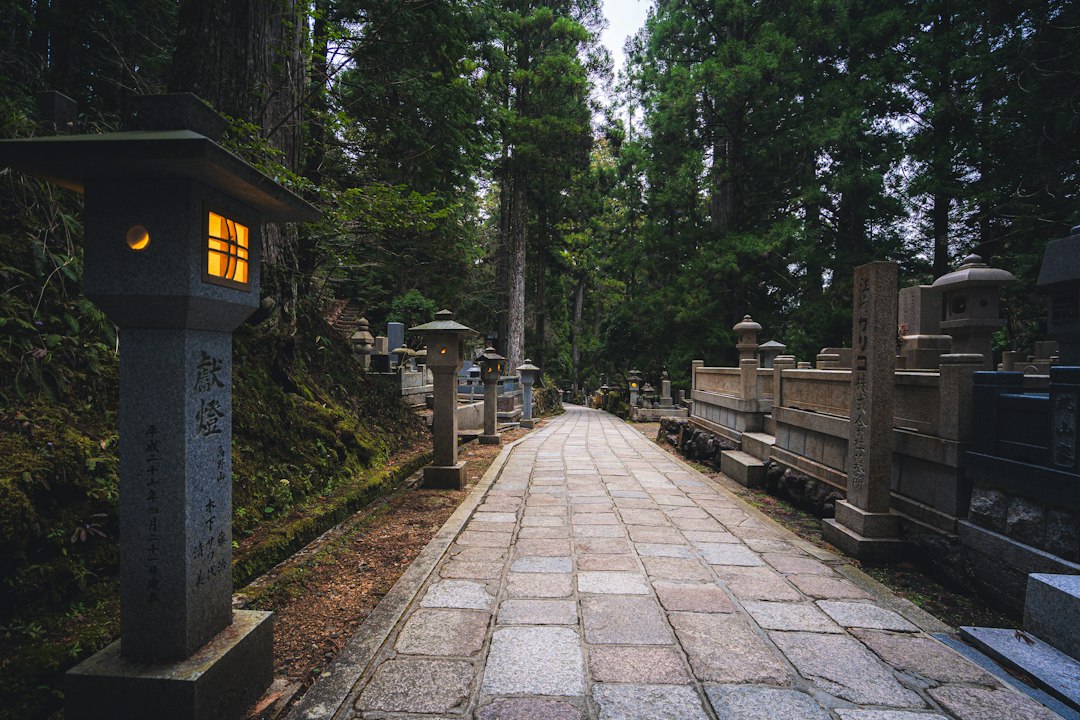
Higan, the spring and autumn equinox weeks, are the primary times for grave visits and remembrance in Japan. Buddhist temples hold special services, and many families visit the family grave together. Aoyama Cemetery and Yanaka Cemetery in Tokyo are historic, park-like cemeteries open to the public, and they offer real insight into Japanese memorial culture. Yanaka in particular feels like a neighborhood that still treats grief as a shared, communal act rather than a private one.
A Japanese saying, “the heat and cold last only until Higan,” reflects how this mild-weather season has long been considered an ideal time to pay respects at family graves. September in shitamachi also just feels right: the air is cooler, the light is softer, and the streets are calmer than in the summer heat.
What you will see at the graves and temples
A visit to the family grave begins with cleaning the gravestone and grave site. Families pay particular attention to spots that collect dirt easily, such as water basins and flower vases. The gravestone is then purified with water, weeds are removed, and incense and flowers are offered to express gratitude to the ancestors.
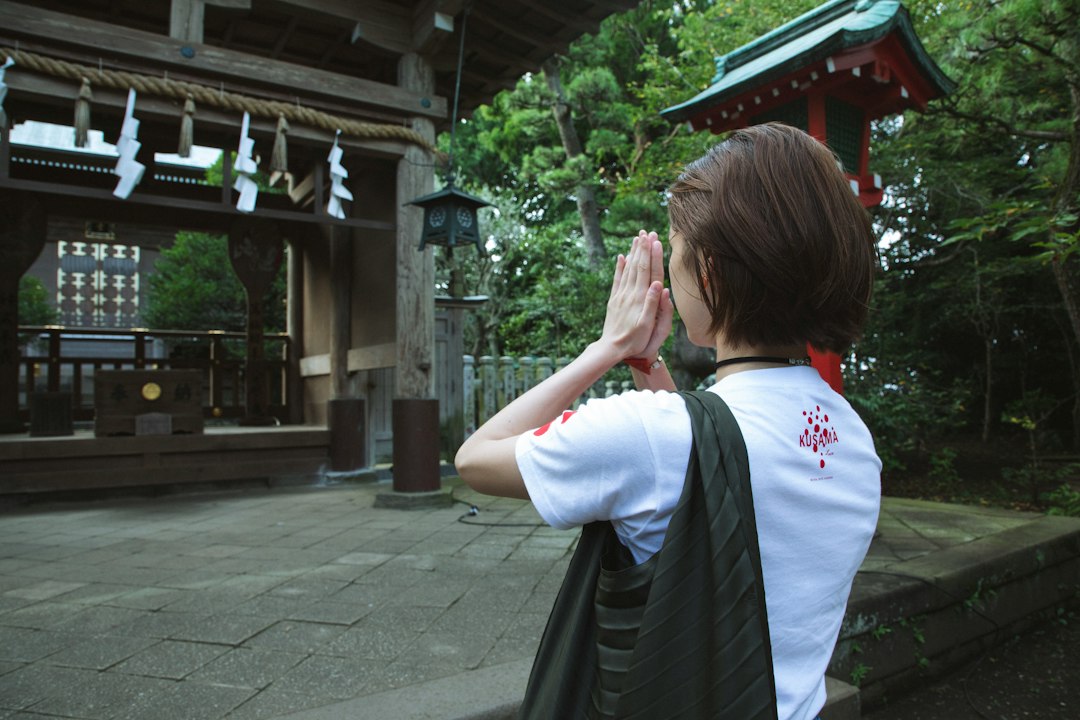
This makes the autumn equinox a fitting time to visit and tend to the graves of loved ones, offering prayers, flowers, food, and the ceremonial burning of incense sticks. If you are walking through Yanaka Cemetery or past a temple in Asakusa during Ohigan week, you will see this happen in real time. Families arrive in small groups. They work quietly and methodically. Children watch and sometimes help.
It is customary at this time to visit the temple to present offerings of pounded-rice cakes, sweets, and fruit to the principal image of Buddha as well as the family ancestors. Special services are usually observed in Japanese Buddhist temples during this period, based on the particular Buddhist tradition or sect.




A perspective from inside the tradition
Ohigan is not a somber event in the way outsiders sometimes expect. Families arrive together, often with children, and the atmosphere at the grave is closer to a quiet family gathering than a formal ceremony. The practical work of cleaning the stone and arranging flowers gives everyone something to do. Younger family members learn the steps by watching. Older members often tell stories about the person buried there, which means the grave visit becomes an informal way of passing memory down. The shitamachi temples are particularly good places to observe this because the communities are tight-knit and the distances between home and temple are small. People greet their neighbors in the cemetery. They recognize the temple priest. This is what ancestor remembrance looks like when it is woven into daily neighborhood life, not separated from it.
Industry perspective, cultural heritage and Buddhist temple practice professionals in Tokyo’s shitamachi districts
The food that comes with the season
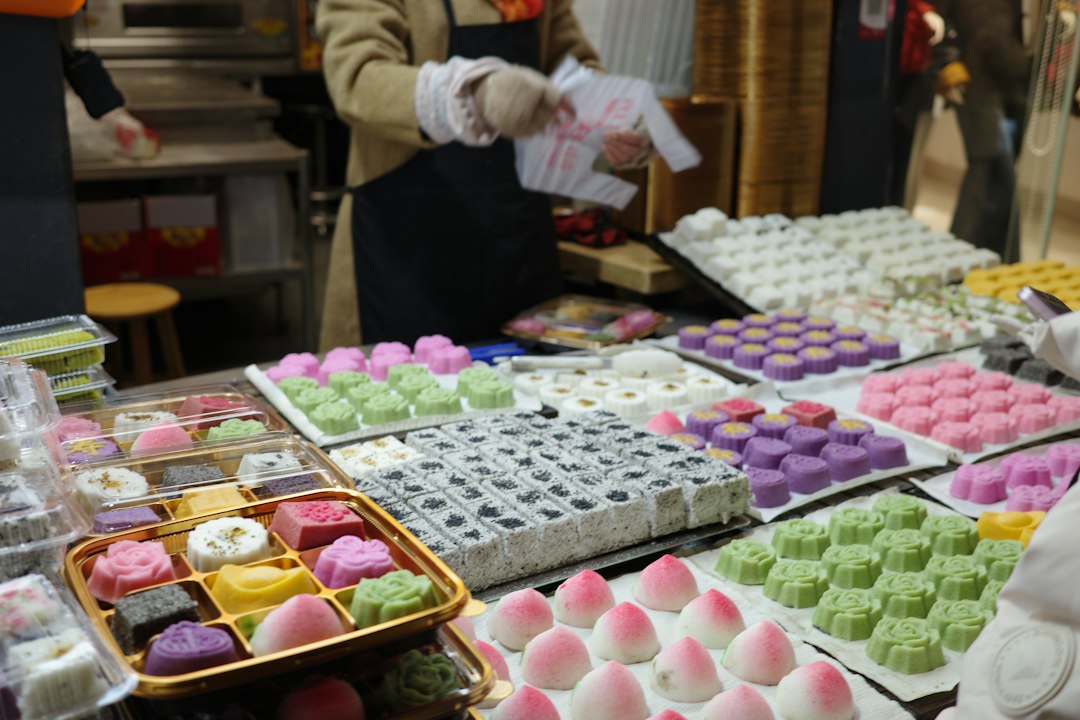
The most significant seasonal food is ohagi, also known as botamochi, a sweet treat made of cooked rice pressed together and covered in red azuki sweet bean paste, whose deep red reflects the colors of the season. On the autumn equinox, ohagi is traditionally made and offered at Buddhist altars or graves.
The dish is traditionally thought to protect against evil and misfortune. You will find ohagi in wagashi shops across shitamachi from the start of Ohigan week. The ones sold near temple gates are often made by the same family businesses that have supplied the neighborhood for decades. Buy 1 box. Sit somewhere quiet. Eat slowly.
A popular autumn tradition is seeking out higanbana, the red spider lily, which blooms around the time of the autumn equinox. These vibrant red flowers are often found near temples, graveyards, and rice fields. In shitamachi, look for them along the low stone walls of Yanaka Cemetery or tucked beside the older grave markers.
Conclusion: come back for autumn equinox week
Autumn equinox week is one of the most honest weeks in the Tokyo calendar. The shitamachi neighborhoods ask nothing from you except that you pay attention. Along with visiting a shrine at New Year, visiting a family grave is one of the religious rituals most familiar to Japanese people, and most Japanese, including younger generations, still follow this custom today. That continuity is visible and worth witnessing.

If you live in Tokyo, use this autumn equinox week to walk through Yanaka or Asakusa with no plan. Follow the incense smoke. Watch the families at the graves. Buy ohagi from a local shop. The shitamachi does not put on a show during Ohigan. It simply goes about its rituals, and that is exactly why the autumn equinox is the right time to be there.