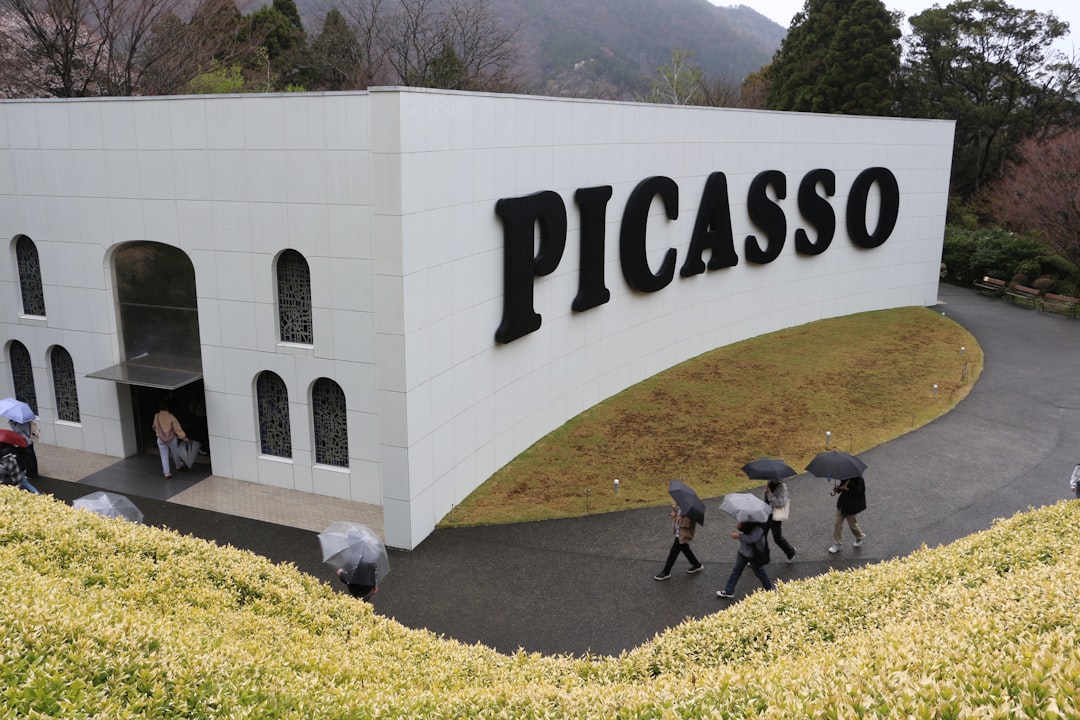
A Picasso exhibition in Tokyo is always a good reason to head to Roppongi on a weekday morning, and this one has a twist worth knowing about before you go.
What this show actually is
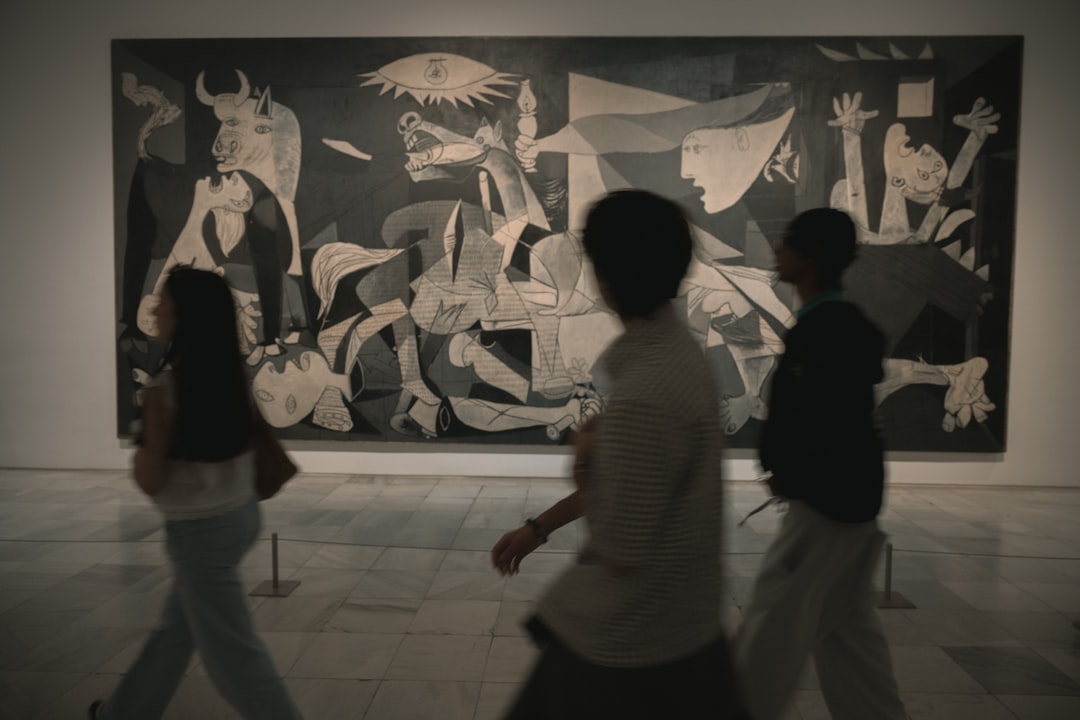
The exhibition reimagines masterpieces from the “Musée National Picasso Paris” through the creative lens of British designer Paul Smith, who has crafted a playful, design-driven layout inspired by Pablo Picasso’s works. This is not a standard museum layout with white walls and small labels. Paul Smith, a British designer known for his traditional tailoring and playful use of colors, has designed the layout of the venue. The venue uses colors, wallpaper, decorations, and patterns, and is full of colorfulness and fun.

The show builds on the acclaimed Paris exhibition “Picasso Celebration: The Collection in a New Light”, which marked the 50th anniversary of the artist’s death. That Paris show was a major success, and this Tokyo version is its international continuation. The National Art Center, Tokyo is a unique and innovative facility: instead of maintaining a permanent collection, it makes the most of a total of 14,000 square meters of exhibition space, the largest in Japan, and focuses on serving as a venue for various art exhibitions.
The works on display
The show titled “Adventure of Playful Spirits” offers a fresh encounter with approximately 80 works from the Musée National Picasso-Paris. These are not minor pieces. Visitors can expect standout works such as “Portrait of a Man” and “Paulo as Harlequin”, presented in a relaxed chronological flow that brings fresh energy to Picasso’s legacy.
The exhibition draws on works from the Musée National Picasso in Paris and presents pieces from across Picasso’s long and influential career, from his early years through to his later periods. Instead of a rigid academic layout, the artworks are arranged in a relaxed chronological flow that allows visitors to follow the artist’s development in a more intuitive way. For people who find traditional exhibitions hard to connect with, this approach makes a real difference. The gallery spaces echo the spirit of Paul Smith’s fashion collections, making them vibrant, welcoming, and full of visual surprises. This approach offers a fresh way to experience Picasso’s art that feels more personal and accessible.
Paul Smith as designer, not curator
It helps to understand what Paul Smith actually did here. He did not select the works or write the academic notes. Picasso (1881 to 1973), one of the most influential artists of the 20th century, revolutionized modern art with his radical innovations in form and color. British designer Smith, noted for his playful approach to tailoring and his masterful sense of color and pattern, brings his unique sensibility to the table, transforming the NACT’s galleries into a dialogue between art and fashion, and tradition and reinvention.

From color-splashed walls to whimsical decor, every element of the exhibition reflects Smith’s joyful spirit and his fascination with artistic play. If you have been to a Paul Smith store anywhere in Tokyo or London, you already have a sense of the visual energy he brings. This Picasso exhibition carries that same spirit into a museum context. The result is a space that rewards slow looking and careful attention to small details.
A perspective on art and design together
When 2 strong creative visions come together in a single space, the result can change how visitors experience both of them. Picasso used radical form and unexpected color to break the rules of the art world of his time. Paul Smith does something similar in fashion: he takes traditional structures and fills them with surprise, color, and humor. Placing these 2 sensibilities in the same room does not dilute either one. It actually amplifies both. Visitors who come expecting only a Picasso show will leave with a richer understanding of how design shapes the way we see and feel. Those who come for Paul Smith will discover a deeper appreciation for the works he chose to surround himself with. This is what good creative collaboration looks like in practice.
Industry perspective, art and design professionals in Tokyo





Practical details for your visit
The exhibition runs at the National Art Center Tokyo from June 10 to September 21, 2026. The venue is in Roppongi, which is easy to reach by train. The National Art Center, Tokyo has direct connectivity to Nogizaka Station (Exit 6), which is served by the Tokyo Metro Chiyoda Line. You can also walk from Roppongi Station on the Oedo or Hibiya lines in about 5 minutes.
Adult tickets cost 2,400 yen, college students pay 1,400 yen, high school students pay 1,000 yen, and younger children enter for free. Opening hours are 10:00 to 18:00, with Fridays and Saturdays open until 20:00, and last admission is 30 minutes before closing. The venue is closed on Tuesdays throughout the event, except for August 11 (Mountain Day national holiday), and will instead close on August 12. A Friday evening visit after work is a good option: the museum stays open until 20:00 and weekday evenings are typically quieter. A 100 yen reduction applies to visitors who present the ticket stub of a current exhibition at the National Art Center, Tokyo, the Suntory Museum of Art, or the Mori Art Museum.
Why this Picasso exhibition is worth your time
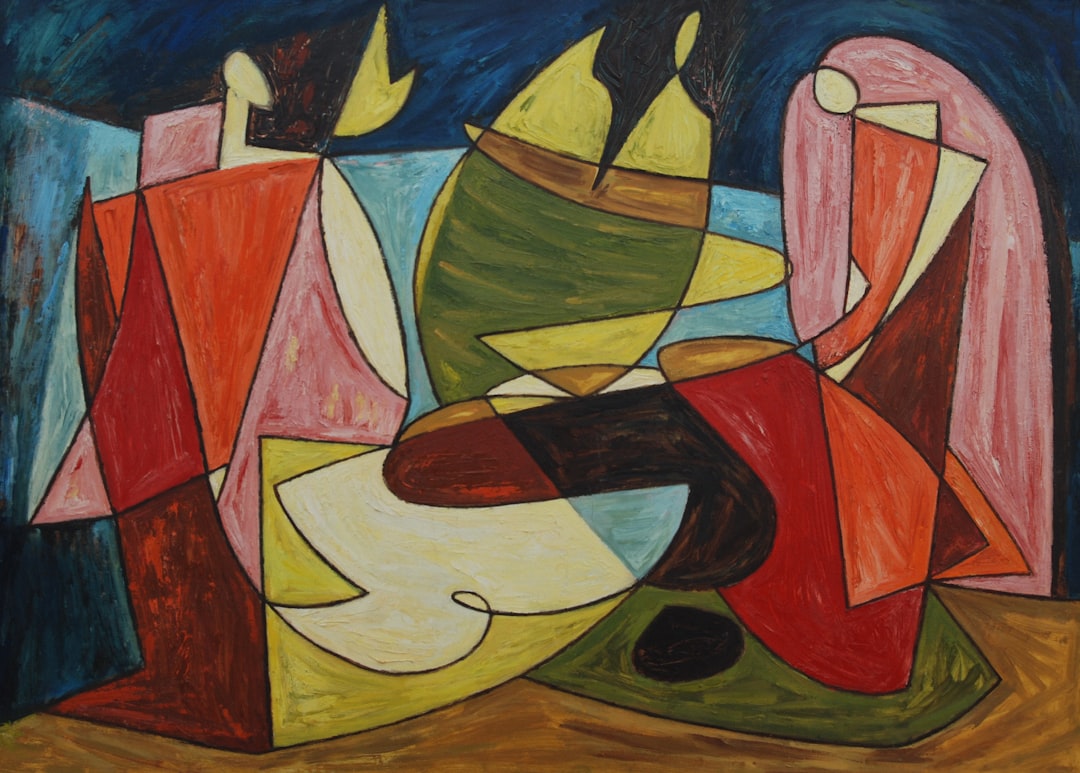
This Picasso exhibition earns its place on your schedule because it asks something different of you. It is not a passive walk past famous names on white walls. The design pushes you to slow down, notice color, and think about how space changes what you see. Tokyo has many good exhibitions this season, but this one connects 2 of the most recognizable creative names in the world in a way that feels genuine and considered.
If you live in Tokyo, this Picasso exhibition is the kind of event you will remember and talk about. Buy your ticket in advance, go on a Friday evening, and give yourself at least 90 minutes. You will not need to rush, and you will not want to.
Discover more about Picasso exhibition
- Picasso, through the Eyes of Paul Smith: Official Exhibition Page
- Timeout Tokyo: Adventure of Playful Spirits exhibition guide
- Tokyo Weekender: 7 must-see art exhibitions in Tokyo this June