Fussa firefly viewing is one of those rare encounters where nature, community, and refined Japanese craft meet in a single quiet hour of light.
Why the Fussa firefly festival matters
Early summer in Japan means firefly season, and one long-running event in western Tokyo continues to celebrate the fleeting glow of these beloved insects each year. The Fussa Firefly Festival has been running for over 6 decades and is considered one of the city’s signature seasonal events. For a visitor with a sensitivity to beauty and craft, this is not simply a nature outing. It is a conversation between two cultures that both prize transience, the French concept of the ephemeral moment and the Japanese philosophy of *mono no aware*, the gentle sadness of passing things.

Fireflies, called hotaru, have a special place in Japanese culture. They are associated with fallen soldiers and romantic passion. They appear in traditional paintings and are mentioned in poetry. To plan this evening with care is to honour that weight. Arrive without a plan and you may miss the best of it entirely.
Originally launched in 1966 by a local neighbourhood association, the festival has grown into a large community celebration centred around firefly viewing at Firefly Park. It carries the warmth of something genuinely local, not a commercial spectacle but a neighbourhood act of love for a small and fragile insect.
What to expect at Hotaru Park
Head to Fussa and the aptly named Hotaru Park, about 1 hour west of Tokyo, to see the free Fussa Firefly Festival in June. Genji fireflies, raised with care by the Fussa Firefly Research Association, elegantly dance through the sky as they glow, creating a fantasy-like spectacle. The park itself sits close to the Tama River, and the reflection of light on water adds a quality that no photograph can fully capture.
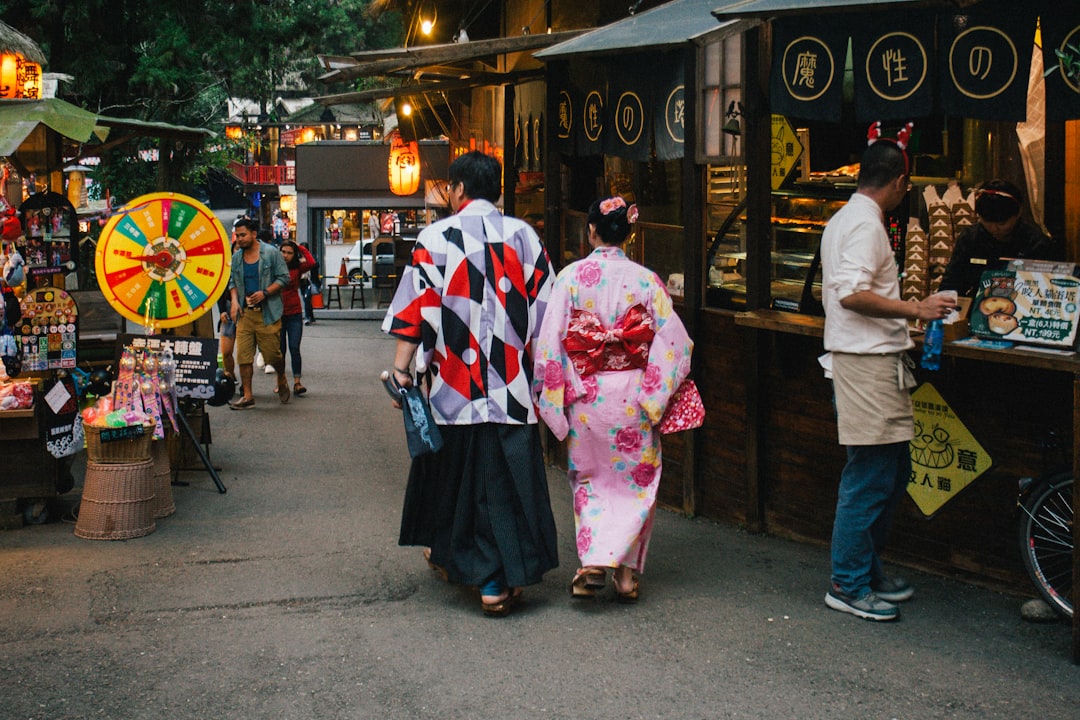
Fireflies are released along the banks of the Tama River to create swirling lights that reflect off of the water and sparkle in the sky. Not only will the charming insects welcome you, but you can also find food stalls and other attractions for a lively Japanese festival atmosphere. Beyond the fireflies, food trucks and festival stalls typically line the area with treats ranging from takoyaki and crepes to local specialties like Fussa Dogs.

Live performances are also a major part of the event, with local junior high and high school brass bands, hula dancers, and community music groups helping bring energy to the evening festivities. Arrive early, find a spot near the water, and let the festival build around you before the fireflies appear.
How to time your visit perfectly
Timing is everything. The best time to see the fireflies themselves in full display is between 8 p.m. and 10 p.m., but since the festival wraps up at 9 p.m., it is best to arrive early. Plan to reach Hotaru Park no later than 7 p.m. This gives you time to settle, to eat, and to find a quiet position near the riverbank before the crowd concentrates around the release area.
The fireflies have a short lifespan. After spending about 20 months of their life as larvae, they come alive just for a few weeks for their mating season. That is when the males emit light to attract a female partner. Understanding this biology makes the viewing feel less like entertainment and more like a privilege. You witness something that exists for only a brief window each year.
Fireflies like warm, humid air and clean, pure water. A calm, humid evening with no wind produces the best display. Check the weather before you go, and choose a night when rain is not expected. The festival itself will proceed in light rain but will be cancelled in severe weather.
An insider perspective on the hotaru season
The Fussa festival holds a special place among Tokyo’s seasonal events because it remains genuinely community-driven. The Fussa Firefly Research Association has dedicated decades to raising Genji fireflies responsibly, and that commitment to craft is visible in the quality of the display. Visitors often expect something commercial and leave moved instead. The fireflies are released into a space where local schoolchildren have performed on stage just hours before, and that continuity between generations gives the evening real meaning. For those interested in Japanese seasonal culture, the hotaru season is as significant as cherry blossom viewing, yet far less crowded and far more intimate. The Tama River setting adds a natural frame that elevates the whole experience into something almost meditative.
Industry perspective, cultural tourism and seasonal events professionals in western Tokyo
How to reach Fussa from central Tokyo
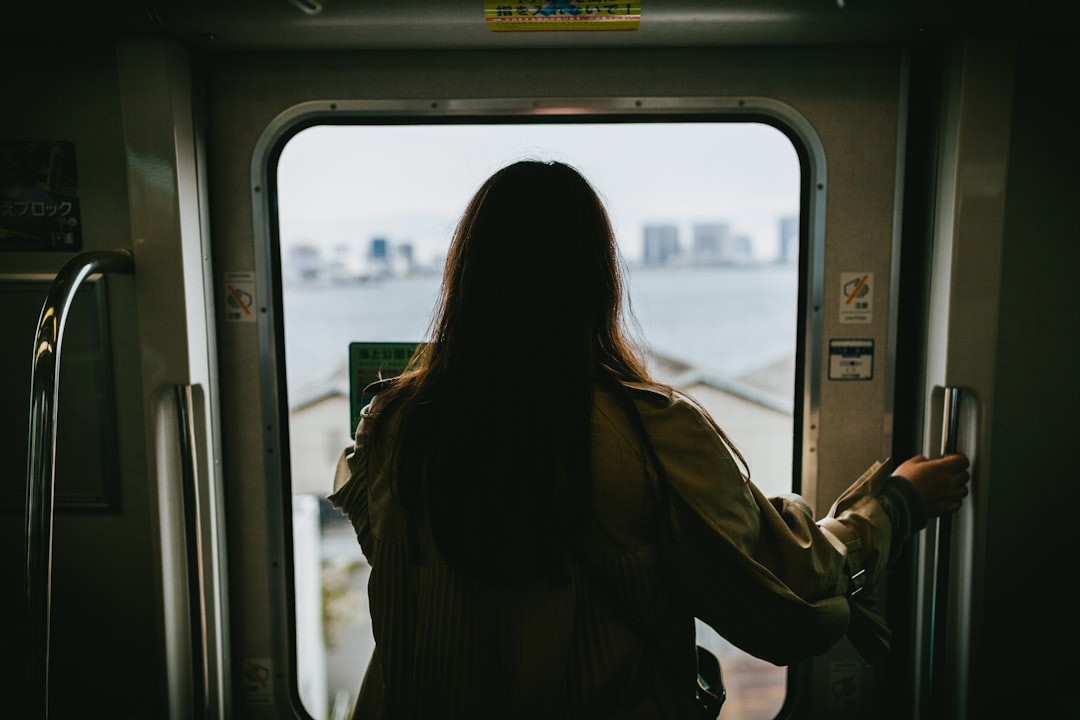
Getting to Fussa is straightforward, and using public transport makes the journey part of the ritual. Fussa is just 1 hour away by rapid train from Shinjuku Station. Board a JR Chuo Line rapid service toward Tachikawa, then transfer to the JR Ome Line heading west. Access to Hotaru Park is approximately a 10-minute walk from JR Ome Line’s Ushihama Station and about a 7-minute walk from JR Itsukaichi Line’s Kumagawa Station.
The event gets crowded, and parking is hard to find, so take the train and stroll to the park to absorb that summer atmosphere. The walk from the station through residential Fussa is a pleasure in itself, quiet streets lined with summer greenery and the distant sound of festival music. Dress lightly, wear flat shoes, and carry a small bag with insect repellent and a thin layer for the cooler evening air near the river.
Consider building the evening into a longer experience. The Tama River area rewards a slow walk before sunset. A cup of tea at a nearby café, a moment of stillness by the water, these small preparations make the firefly display feel earned.



Plan each detail like a French-Japanese artisan
The Fussa firefly festival invites a certain quality of attention. Nothing about it is rushed, and nothing about it is loud, if you choose your position wisely. There is even a small area to learn about the fireflies and view some specimens. This is the kind of detail that a thoughtful visitor values: knowledge before the experience. A photo contest is also commonly held, encouraging visitors to capture memorable moments from the glowing displays and festival grounds.
Bring a small blanket or a folding seat. Sit close to the water. Put your phone away for at least 20 minutes. Both French and Japanese aesthetics teach the same lesson: presence is the highest form of appreciation. The fireflies do not perform for an audience looking at a screen. They perform for the dark, and for anyone patient enough to sit within it.

Fussa firefly: a ritual worth the journey
The Fussa firefly experience is not simply a festival. It is a seasonal ritual that connects you to a community, a river, a species, and a philosophy of beauty that values the brief and the delicate above all else. Visitors can watch Genji fireflies raised by the local Fussa Firefly Research Association illuminate the night, creating a peaceful atmosphere that feels far removed from central Tokyo.
Plan your Fussa firefly evening with the same care you would give to a fine dinner or a visit to a museum. Arrive early, move slowly, and stay present. If this article has inspired you, share it with someone who also believes that the most beautiful things are always the ones that do not last. Book your train from Shinjuku, pack lightly, and let one small insect remind you why June in Tokyo is incomparable.
Discover more about Fussa firefly
- Fussa Firefly Festival, The Official Tokyo Travel Guide, GO TOKYO
- Fussa Firefly Festival 2026, Japan Travel
- 15 Tokyo Firefly Festivals including Fussa, Tokyo Cheapo