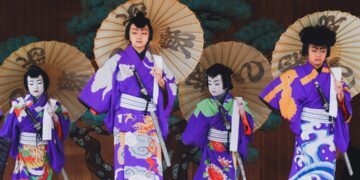
Tanabata Tokyo fills the city with bamboo, colored paper, and handwritten wishes every July, and this week is the best time to see it all at once.
What Tanabata actually is
Tanabata, also known as the Star Festival, is a Japanese celebration traditionally held on the seventh day of the seventh month. According to myth, Orihime and Hikoboshi are 2 lovers separated by the Milky Way. They can only reunite once a year, on the seventh day of the seventh month, when a bridge is formed across the stars.

A custom of writing prayers on strips of colored paper and tying them to bamboo grass emerged around the Edo period (1603 to 1868). By that era, commoners were writing wishes on paper strips and hanging them on bamboo. The festival became firmly embedded in Japanese culture as one of the 5 major seasonal celebrations. Today you see bamboo displays in train stations, shopping arcades, temple grounds, and company lobbies across the city.
That mix of personal and communal feeling is what makes Tanabata easier to understand in person than in a summary. It is not simply a wish festival. It is a seasonal ritual where ordinary hopes are allowed to decorate the city for a few days.
The best bamboo displays in Tokyo this week
The Shitamachi Tanabata Matsuri is a premier celebration of the Star Festival, held annually along a 1.2 km stretch of Kappabashi-dori between Ueno and Asakusa. The festival honors the legendary meeting of the stars Orihime and Hikoboshi, decorating the streets with thousands of colorful bamboo branches and fukinagashi streamers that frame the view of the Tokyo Skytree. The Tanabata decorations are up from July 3 to 7. The main events are a parade and street performances on July 4 and 5.
During the weekend closures, the street becomes a stage for Awa Odori, Sohan Bushi dancing, and high-energy taiko drumming. Because the area is a primary hub for professional chefs, the local food stalls often offer higher-quality fare than standard festival booths. This is a genuinely enjoyable place to spend a Saturday morning before the afternoon crowds arrive.

The Natsumoude event at Asakusa Shrine transforms the shrine grounds with vibrant Tanabata decorations and a stunning representation of the Milky Way. At night, the entire area is illuminated, creating a truly mystical atmosphere. Visitors can participate in the traditions by writing their wishes on colorful tanzaku to tie to bamboo branches, and even collect exclusive, limited-edition Tanabata goshuin (sacred shrine stamps) available only during the festival. Dates run from June 30 to July 7, so this week is your final chance.
How to write a tanzaku wish
The most iconic Tanabata activity is writing a tanzaku, a narrow strip of colored paper, with your wish or hope, then tying it to a bamboo branch. The paper typically comes in 5 colors: green, red, yellow, white, and purple. These are based on colors associated with the 5 elements in Chinese cosmology, except that the original black connected with water is not considered lucky in Japan and was replaced with purple.
In modern Japan, most people simply choose their favorite color and write whatever they wish for: good health, passing exams, finding love, or job success. You can write in English. Nobody will object. Many places offer English instructions or foreigner-friendly areas, so you can join in easily.



Tanabata is visitor-friendly, but it is not a theme-park installation. If a venue offers paper strips and pens, it is usually fine to write a wish. Keep it short, sincere, and readable. A simple wish for safe travel, health, or a return trip to Japan fits the spirit better than a joke meant only for social media.
Local perspective on why these displays matter
Living in Tokyo during Tanabata, you notice something quickly: the bamboo does not appear only at big festivals. It appears in convenience store entrances, inside elementary schools, at the reception desk of small hotels, and in the corner of a family restaurant. The wish-paper tradition works because it scales. A single branch with 10 handwritten tanzaku communicates the same seasonal mood as a 1.2 km festival street. What makes the Tokyo events worth visiting in person is the density of participation. When you read the wishes on display, you see the full range of what people actually hope for: exam success, good health for a parent, a first job offer, a safe journey home. That is not something a photograph communicates well. The bamboo decorations are also a practical reminder that the festival belongs to everyone, not just to people who identify as religious or traditionally minded. Tanabata asks only that you pick up a pen and write something true.
Local culture perspective, festival and seasonal traditions observers in Taito and Suginami wards, Tokyo
More shrine and temple venues worth visiting
At Zojoji Temple in the Shiba Park area with views of Tokyo Tower, events include a wish-writing area, a Tanabata gathering, and a good-fortune prayer ceremony. This is recommended for those who want to write their wishes on tanzaku and pay a visit in a calm city-center atmosphere.
At Tokyo Daijingu, known as Tokyo’s Ise Shrine, the Tanabata Prayer Festival is held on July 7. From July 1 to 7, the bamboo decorations are illuminated. Both locations are easy to reach by subway and combine well with other sightseeing in central Tokyo.
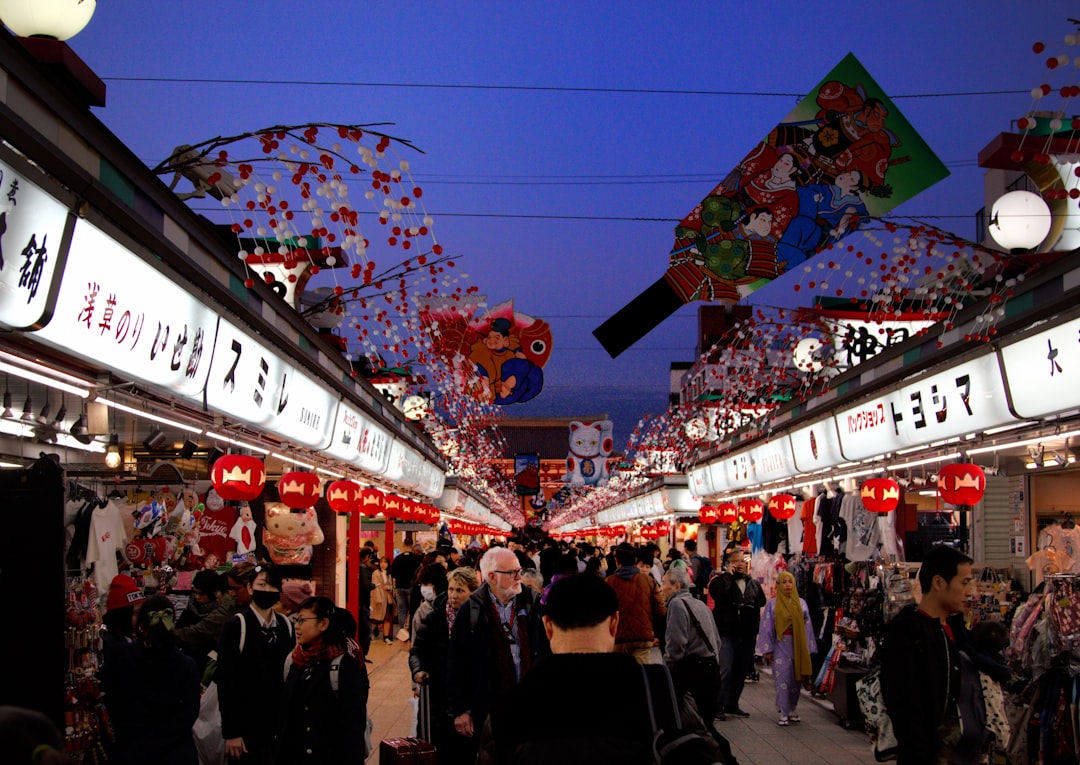
Large papier-mache and Tanabata decorations line the arcade at Asagaya, and you can stroll while taking in the displays. In 2026, the 70th edition will be held from Friday, August 7 to Tuesday, August 11. If you miss the July events, Asagaya is your best next option in the city.
Practical tips before you go
Tokyo has several Tanabata events rather than one single citywide festival. This is good news because it means you can build a half-day route around 2 or 3 locations without traveling far. Tanabata on July 7 is a Japanese tradition that marks the start of summer: writing wishes on tanzaku, admiring bamboo decorations, and contemplating the stars in the night sky. Across Tokyo, various Tanabata events are held, including festival streets, tanzaku prayers at shrines and temples, special lighting at Tokyo Tower, and stargazing events at planetariums.
Carry cash for food stalls and small shopping-street vendors. Parking can be limited during Tanabata. Public transportation is strongly recommended. Arrive before 11:00 at the Shitamachi festival if you want comfortable space to walk and read the wishes. Afternoons become very crowded on the weekend days.

Some people follow the tradition of hanging up tanzaku the day before, and taking them down during Tanabata. However, public displays may be in place for several weeks leading up to the festival. So even if you cannot attend on July 7 itself, you will still find beautiful bamboo displays active at multiple venues through this week.
Make Tanabata Tokyo part of your week
Tanabata Tokyo is one of those city experiences that rewards a small amount of planning and then asks nothing more of you. Most events involve colorful Tanabata decorations, writing wishes on tanzaku, and festive activities. Entry is free at all major Tokyo venues this week. The Shitamachi festival along Kappabashi is the most complete street event, Asakusa Shrine adds a quieter spiritual side, and Zojoji Temple gives you bamboo with one of the city’s best skyline views in the background. Write 1 tanzaku at each location if you want. There is no correct number of wishes, and nobody checks. Tanabata Tokyo is, at its heart, a city-wide reminder that it is perfectly acceptable to stop, pick up a pen, and put something you hope for into the world.
Discover more about Tanabata Tokyo
- Shonan Hiratsuka Tanabata Festival, Tourism of ALL JAPAN x TOKYO
- Tanzaku: Making Tanabata Wishes on Colorful Paper, Nippon.com
- Tanabata in Tokyo: 7 Events to Enjoy the Star Festival, MATCHA Japan Travel Guide