Noh performances in Tokyo shrine gardens are a genuinely good reason to stay in the city in August and September, even when every instinct tells you to escape to the mountains.
What Noh and Kyogen actually are
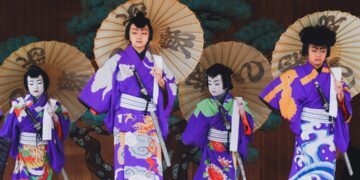
Noh has been performed for over 600 years and is one of Japan’s oldest traditional performing arts. It is an ancient form of Japanese musical drama that uses intricate masks and stylized gestures to tell traditional stories, while Kyogen is a comedic performance based on wordplay. If you have never watched either form, that contrast is the key. The 2 styles alternate during a full program, so the mood shifts from slow and ceremonial to fast and funny.

Noh has also been recognized globally and certified as an Intangible Cultural Property by UNESCO. That said, you do not need to know the history to enjoy an evening outdoors. The atmosphere, the costumes, and the torchlight do most of the work for you.
Shinjuku Gyoen: the most accessible starting point
Shinjuku Gyoen’s Mori no Takigi Noh event features both traditional Noh drama and Kyogen in the garden’s woods, with performers appearing on a stage lit by burning torches. This is the event most Tokyo residents mention first, and for good reason. The garden location keeps things informal. You can arrive early, walk around, and settle in before the performance begins.
Visitors are rarely permitted to see Shinjuku Gyoen at night, so this is a rare opportunity. Shinjuku Gyoen hosts this annual event sometime between September and October. Confirm the exact date on the official GO TOKYO site before you travel, because the schedule is announced closer to the event.
Yasukuni Shrine: history on a wooden stage
The Yasukuni Shrine Noh Stage is known as the oldest wooden Noh theater in Tokyo. The stage has its own quiet authority. Sitting in front of it feels different from sitting in a modern hall. The theater was originally the Shiba Noh Theater in Shiba Park and was moved to Yasukuni Shrine in 1903.

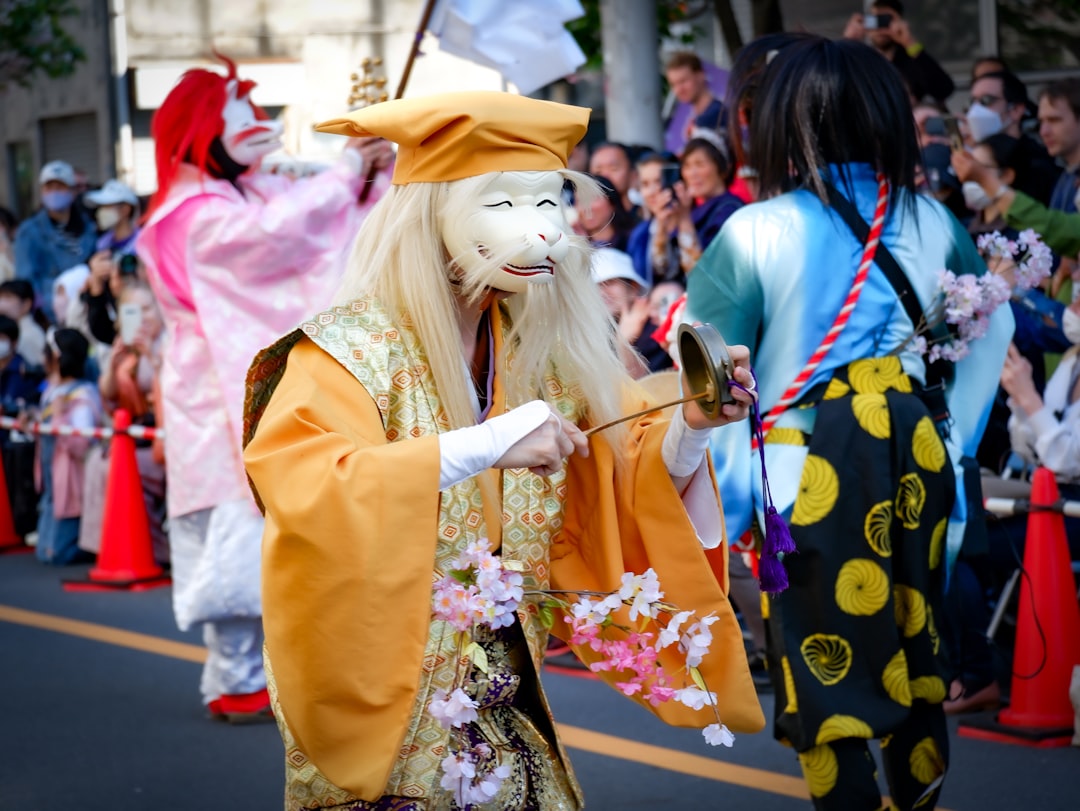
The shrine’s Noh event was started with the aim of promoting Noh to a wide audience. It has become a firelit Noh event featuring holders of Important Intangible Cultural Properties as well as notable young performers. The spring cherry blossom edition is the most famous, but the shrine stage hosts performances across different seasons. Check the shrine’s official schedule for late-summer dates.
Koganei Park: modern meets traditional
The annual Koganei Takigi-Noh is an open-air Noh and Kyogen performance that takes place in front of the Edo-Tokyo Open-Air Architectural Museum’s main gate in Koganei Park. This one is a good choice for people who want a more relaxed setting. The park is large, the crowds are friendly, and there is space to move around.




Contemporary and ballet dancers also participate in the show, making it a rare combination of traditional and modern performing arts. That mix is not for every purist, but it works well if you want to introduce friends or family to Noh for the first time. The open format also means children are welcome.
Expert perspective on outdoor Noh
Outdoor Noh performances serve a function that indoor theaters cannot fully replicate. When the stage sits inside a shrine garden, the natural setting becomes part of the performance itself. The sound of wind through the trees, the smell of smoke from the torches, and the darkness surrounding the stage all remove the distance between the audience and the art. Noh was never designed for sealed, climate-controlled rooms. It was always meant to be experienced in a space with presence, where the boundary between the everyday world and the world of the performance is soft. Late summer is particularly effective because the heat and the stillness of the night create a mood that supports Noh’s slower rhythms. First-time audiences often find outdoor performances far more accessible than indoor ones for exactly this reason.
Industry perspective, traditional performing arts and cultural programming professionals in Tokyo
Meiji Shrine: the grand autumn program
Every year during autumn, Meiji Shrine, one of the biggest and most important shrines in Tokyo, celebrates its Grand Festival. The program on November 1 includes Noh and Kyogen. This is a large event with many other performances across several days. Noh and Kyogen are 1 part of a broader program that includes traditional music, archery, and dance.
The festival sets up a stage in front of the main shrine, as well as other areas in the precincts of the shrine. Arrive early to get a clear view. The grounds are large and the crowd grows as the day continues. This event marks the true transition into the autumn season, so it serves as a natural endpoint for the late-summer outdoor Noh calendar.
Tokyo Metropolitan Teien Art Museum garden Noh
This event sees some of Japan’s top Noh actors performing outdoors in the beautiful gardens at the Tokyo Metropolitan Teien Art Museum. The garden at Teien is one of the most elegant settings for outdoor performance in the city. The art deco building behind the stage adds an unusual visual frame.
The event is supported by the Tokyo Metropolitan Government and makes a good introduction to traditional theater. Besides the show, there are also workshops where you can learn about Noh and try some of the traditional instruments. The workshop option is practical if you want more than passive watching. Note that outdoor events at this venue have been moved indoors before due to typhoons, so check conditions on the day.
National Noh Theatre, Sendagaya: the reliable indoor option
Not every late-summer evening is suitable for outdoor events. The National Noh Theatre, located just a 5-minute walk from Sendagaya Station, is the main Tokyo venue for Noh and Kyogen. Performances are held year-round on a Noh stage made from the wood of 400-year-old cypress trees.
Tickets for the performances can be reserved online, by phone, or in person at the Box Office. This venue offers English-friendly access options. It is the best backup plan when rain cancels an outdoor event, and it is also simply a very good place to watch Noh in its own right.

Plan your Noh performances season well
Noh performances in Tokyo shrine gardens are not hard to attend. They require some planning and a willingness to commit to an evening outdoors, but they reward that effort every time. Start with Shinjuku Gyoen or Koganei Park if this is new to you, and build toward the Meiji Shrine program as autumn arrives. Always confirm dates on official sites, because schedules shift.
Bring a light layer even in August. Evenings near shrine gardens cool faster than you expect. Noh performances are one of the most honest reasons to stay in Tokyo through the end of summer, and they cost less than a night out in most neighborhoods.
Discover more about Noh performances
- Shinjuku Gyoen Open-Air Noh Performances (Mori no Takigi Noh), GO TOKYO Official Guide
- National Noh Theatre, Japan Arts Council
- Koganei Takigi-Noh, Time Out Tokyo
[End of deliverables]