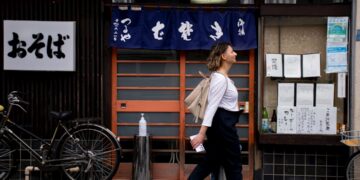
Tokyo secondhand shopping feels, at its best, like the Japanese art of *mottainai*: a deep respect for objects, a refusal to waste beauty, and a quiet joy in giving things a second life.
Why Tokyo secondhand shopping rewards the patient shopper
The secondhand shopping culture in Tokyo promotes sustainable options for both the planet and your wallet, while giving discarded clothes a new chance at life. This sits perfectly with the French sensibility of *choisir bien, acheter moins*: choose well, buy less. In Tokyo, that philosophy is not a trend. It is a daily practice woven into the culture of the city.

Items are often in near-new condition, thanks to Japan’s care culture and fast product turnover. Strict anti-counterfeit laws also make it safe to buy pre-loved luxury goods. For the visitor who moves slowly and looks carefully, this city rewards that attention with extraordinary finds.
The Japanese apparel industry is increasingly promoting the reuse of clothing as it hopes to make fashion more sustainable. Overproduction and mass disposal of clothing causes massive greenhouse gas emissions. About 60% of the clothes sold in Japan are thrown away, according to the Environment Ministry. Shopping secondhand in Tokyo is therefore not only beautiful. It is necessary.
Shimokitazawa: where vintage and music share the same street
Set apart from the center of Tokyo, Shimokitazawa has a laid-back atmosphere that frees its visitors from the intensity of the city. Originally a residential area, a wave of music and arts during the 1960s turned this district into a hub of Japanese subculture. It is home to many theaters, music venues, record shops, cafes, and thrift stores. To walk here on a quiet morning is to understand why this neighborhood inspires such devotion.
Shimokitazawa vintage shops come in a broad array, ranging from large outlets with wide selections and low prices to tiny alleyway boutiques offering fashions hard to find anywhere else. The eco-friendly mindset is on the rise here as well, with more shops putting sustainability and ethical consumption at the center of their businesses. This shift gives the district a sense of purpose that goes beyond fashion alone.

Opened in April 2025, CIRCULABLE SUPPLY Shimokitazawa is located a 5-minute walk from Shimo-Kitazawa Station and represents a new frontier of vintage shopping. As a commitment to sustainability, soon after opening it began buying from the general public to kickstart a virtuous cycle of reducing waste. The store also participates in a recycling system called “Passto” that collects items like clothes, accessories, and hobby items that could not be purchased. Goods collected from a special box are carefully sorted and reused or recycled by businesses able to properly dispose of them.
Harajuku: curated rails and the art of the considered find
Harajuku is one of Tokyo’s epicenters for youth fashion. The colorful and perpetually busy Takeshita Street is the heart of cosplay, anime, and kawaii culture, lined with chic shops and secondhand clothes stores. The nearby Cat Street, an alley that runs between Harajuku and the area around Shibuya Station, is also a notable destination abundant in fashion boutiques and secondhand clothing.
The area is wealthy, with many high-brand stores and art spots nearby. The secondhand clothing shops here also deal with a large selection of secondhand luxury and high-brand items. A single afternoon on Cat Street can produce a Comme des Garçons piece, a vintage silk blouse, or a rare Japanese designer jacket, all at a fraction of new retail cost.
KINJI has 2 locations in Harajuku and 1 in Shimokitazawa. KINJI’s Harajuku location gives you room to browse, with spacious floors and multiple fitting stalls. The organization makes hunting for deals feel less chaotic than cramped vintage shops. Prices stay consistently affordable across a wide variety of styles, from basics to statement pieces.
An industry perspective on Tokyo secondhand culture
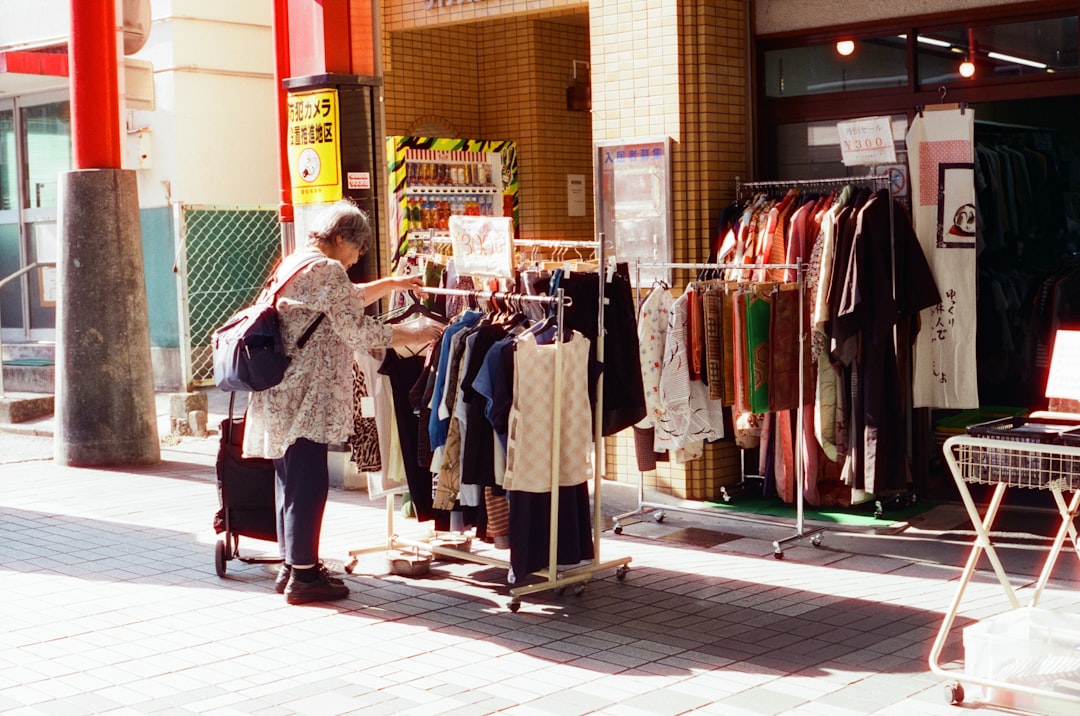
Tokyo’s vintage scene has evolved into something more than a fashion market. It sits at the intersection of sustainability, craft, and cultural identity. Japanese consumers have long valued the principle of *mottainai*, the idea that discarding a well-made object is a kind of waste that goes beyond the economic. In the secondhand districts, you see this value expressed physically: clothes are pressed, folded, and displayed with the same care as new retail. The shopper who approaches this circuit with patience and an eye for quality will find pieces that carry genuine history. What makes Tokyo’s secondhand culture globally significant is that it normalizes circular consumption without making it feel like sacrifice. Here, buying secondhand is simply considered good taste.
Industry perspective, sustainable fashion and circular retail professionals in Tokyo
The outdoor markets: seasonal ritual and community craft
The Shimokitazawa Flea Market is held from the afternoon on weekends and national holidays at the Shimokita Senrogai Akichi outdoor lot, roughly a 4-minute walk from Shimo-Kitazawa Station. It features a changing lineup of around 30 vendors selling vintage clothing, handmade crafts, accessories, and rare imported items. This event draws around 10,000 visitors each session with its one-of-a-kind selection and friendly atmosphere.
Tokyo Vintage Fashion Week returns as a dynamic celebration of archival style, sustainable fashion, and timeless design. Held across select venues in Tokyo’s trend-setting neighborhoods, the event gathers vintage curators, independent designers, stylists, collectors, and fashion enthusiasts for a multi-day showcase dedicated to craftsmanship and circular creativity. Mark this event in your calendar if you visit between seasons.
Many Tokyo thrift stores specialize in imported vintage, designer secondhand, and handpicked pieces you will not find anywhere else. The outdoor markets offer something different: a direct conversation with the seller, a story behind each garment, and the particular pleasure of finding something that was never meant to be found.
Practical advice for shopping the circuit
The Shimokitazawa and Harajuku districts connect easily by train. Shimo-Kitazawa Station is about a 3-minute train ride from Shibuya Station on the Inokashira Line and a 10-minute train ride from Shinjuku Station on the Odakyu Line. From Shibuya, Harajuku is 1 stop on the JR Yamanote Line, making a single-day circuit between both districts very simple to plan.
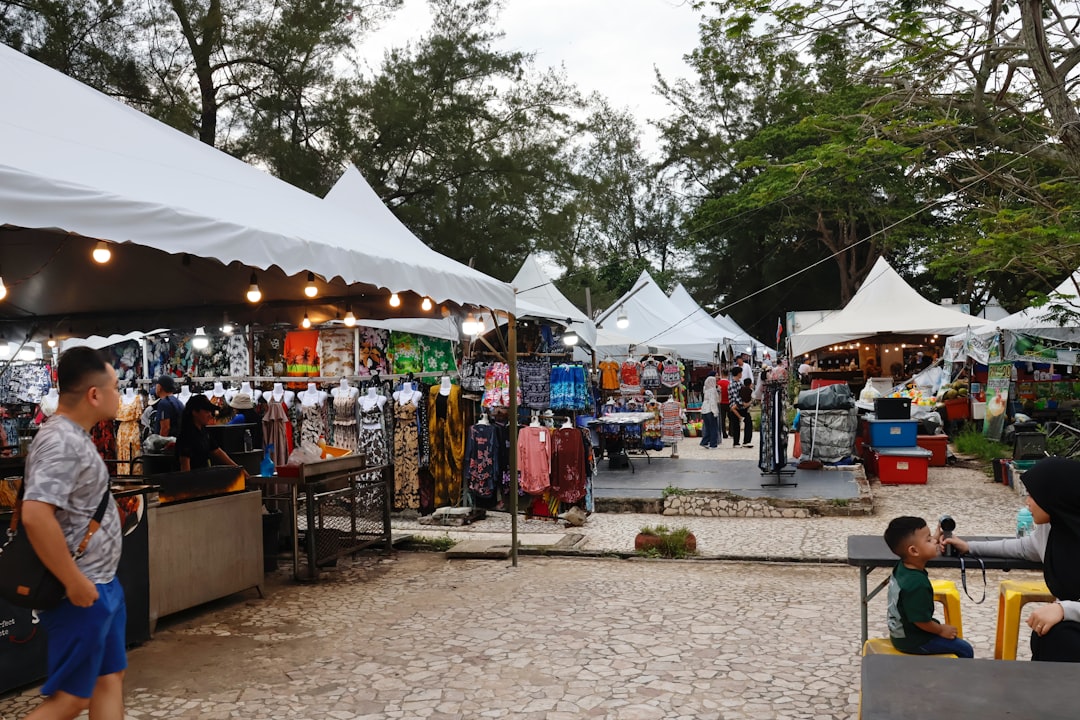
Recycle shops put out what customers may need in the current season. Visit in the transition weeks between seasons for the broadest selection. Bring a tote bag, wear easy layers, and allow 3 to 4 hours minimum for Shimokitazawa alone. Notime Shimokitazawa, opened in April 2025, stays open 24 hours. To enter during unstaffed hours, simply scan the two-dimensional code at the door with your phone and register with the official LINE account. Instructions in English by the register make self-checkout easy.

Budgets vary widely across the circuit. While some say Shimokitazawa’s vintage scene can be pricey, STICK OUT offers everything for just 800 yen. From T-shirts and outerwear to knits, sweaters, and denim, the selection is vast and the price is right. For higher investment pieces, Ragtag is a place for high-end secondhand clothing. Mostly comprised of luxury brands, Ragtag is expensive for a thrift store, but all clothes are of great quality. Many of the clothes sold at Ragtag are no longer sold commercially, making them even rarer.





Tokyo secondhand shopping as a living practice
Tokyo secondhand shopping is not a compromise. It is one of the most complete expressions of the city’s values: beauty, craft, care for material, and respect for what already exists. Begin in Shimokitazawa on a weekend morning. Move through Harajuku in the afternoon. Let each rail tell you what it wants to say.
This circuit rewards the shopper who treats each visit as a ritual rather than a transaction. Tokyo secondhand shopping, done with attention and intention, produces a wardrobe with genuine character, a lighter environmental impact, and the particular pleasure of wearing something that carries a story. Come back each season. The city will always offer something new from what it has already made.
Discover more about Tokyo secondhand
- The latest on the Shimokitazawa thrift scene (GO TOKYO, official Tokyo travel guide)
- The Japan Times: Japanese apparel industry pushes sustainable fashion
- The ultimate guide to thrifting in Tokyo (Japan Travel)